It was a rainy Thursday, the kind that makes you question every culinary decision you’ve made since you first learned how to sauté onions. I was in the middle of a hastily assembled breakfast, tossing diced apples into a pan that was already overworked, when the batter I’d been saving for a Sunday brunch slipped off the counter and splattered across the floor. My heart sank, the kitchen smelled faintly of burnt sugar, and I felt that all-too-familiar dread: the moment when you realize you might have ruined an entire batch of batter. But, as the old saying goes, “A little mess can lead to a big flavor.” I stared at the soggy mess, and that’s when the idea hit me like a bolt of lightning: what if I turned that disaster into a savory, sweet, cheesy muffin that could double as a breakfast treat or a side for a hearty dinner?
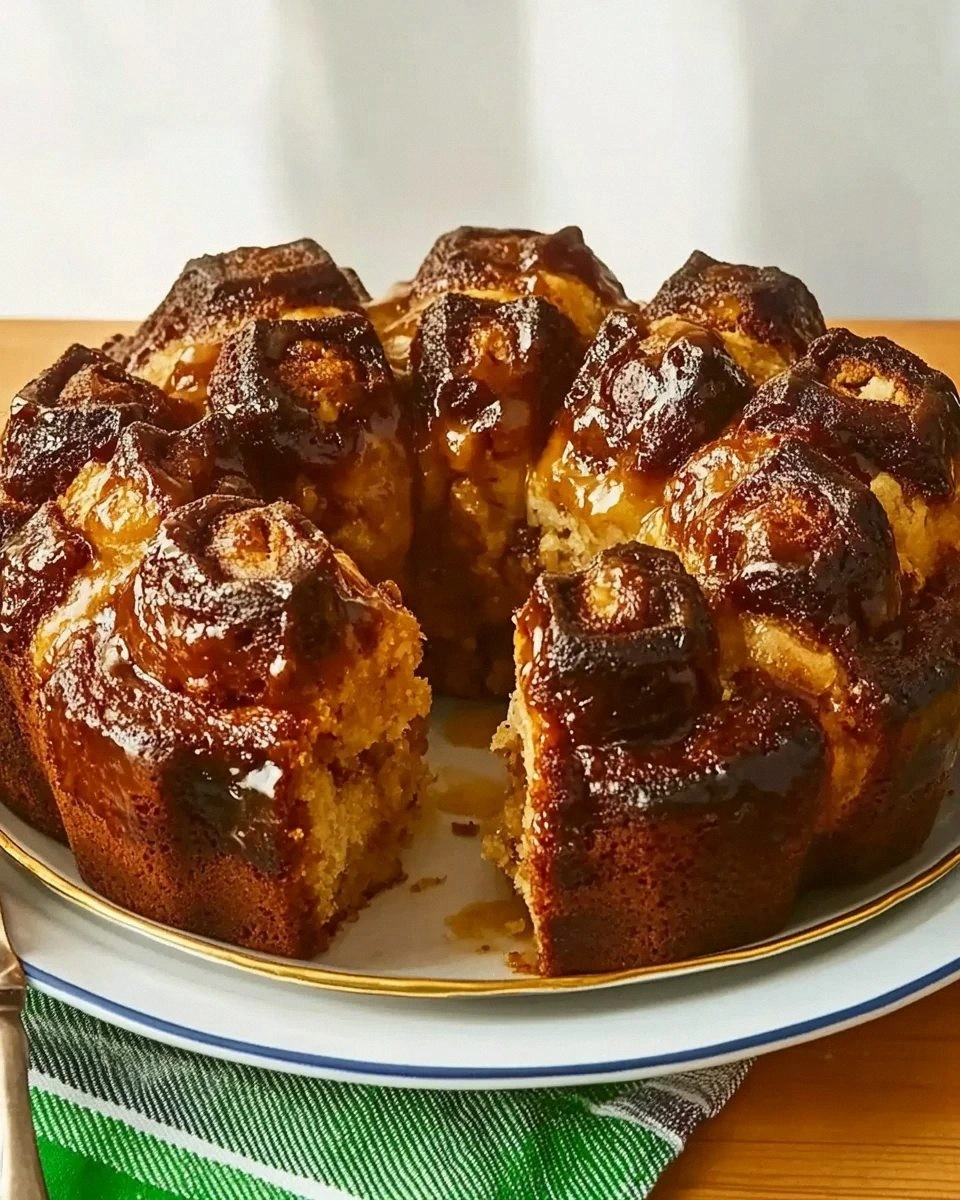
Picture this: the golden crust crackles as you break it open, revealing a fluffy interior that’s a mash‑up of cornmeal, cheddar, and caramelized apple. The aroma is a symphony—sweet apples, earthy corn, and sharp cheddar, all underlined by a whisper of sage. The first bite is a dance of textures: a crisp edge, a buttery crumb, and a gooey cheese melt that lingers on your tongue. The flavor profile is so balanced that it can’t be classified strictly as dessert or breakfast; it sits comfortably in the culinary middle ground, ready to be served any time you crave a comforting yet sophisticated bite.
What makes this version stand out? It’s not just the combination of ingredients; it’s the way each element is treated. I’ve refined the batter to keep it moist without becoming soggy, I’ve added a touch of maple syrup for a subtle sweetness that complements the sharp cheddar, and I’ve included sage for a herbal depth that most corn muffins lack. I dared to experiment with a dual butter technique—one in the batter, one in the topping—to create a glossy, buttery crust that’s impossible to resist. The result? A muffin that feels like a hug, with a texture that’s both airy and dense, and a flavor that keeps you coming back for more. I dare you to taste this and not go back for seconds.
If you’ve ever struggled with corn muffins that taste flat or dry, you’re not alone—many people skip the critical step of balancing wet and dry ingredients. That’s where this recipe shines: it’s hands down the best version you’ll ever make at home. Picture yourself pulling this out of the oven, the whole kitchen smelling incredible, and your friends gasping as they take a bite. This isn’t just a recipe; it’s an experience, a conversation starter, and a crowd-pleaser all wrapped into one. Okay, ready for the game‑changer? Let me walk you through every single step—by the end, you’ll wonder how you ever made it any other way.
What Makes This Version Stand Out
- Texture: The batter’s unique ratio of cornmeal to flour creates a crumb that’s light enough to float yet sturdy enough to hold the cheese and apples. The result is a muffin that feels like a cloud with a satisfying bite, a contrast that most traditional corn muffins lack. The dual butter technique gives the crust a glossy finish that invites you to taste again.
- Flavor Complexity: Maple syrup and sage work together to lift the sharpness of cheddar and the sweetness of apples. The subtle herbal undertone from the sage leaves cuts through the richness, leaving a lingering aroma that’s both comforting and sophisticated. This harmony of sweet, savory, and herbal makes the muffin stand out from ordinary breakfast fare.
- Visual Appeal: The golden crust with flecks of cheddar and a hint of apple speckles makes each muffin a work of art. The contrast of colors—rich amber, bright white, and speckled orange—creates an irresistible visual that makes people stop and stare. This visual appeal turns a simple muffin into a centerpiece.
- Ease of Preparation: Despite its complex flavor profile, the recipe is straightforward. All wet ingredients are combined in one bowl, all dry in another, and the rest is a matter of mixing and baking. This simplicity saves time and reduces kitchen stress.
- Versatility: Serve them warm with a pat of butter for breakfast, or as a side dish for a smoky barbecue. They pair beautifully with a crisp salad or a hearty soup. Their adaptability makes them a go-to for any meal.
- Make‑Ahead Potential: The muffins hold up well when refrigerated or frozen. They can be reheated without losing texture or flavor, making them perfect for meal prep or a busy weekday.
- Ingredient Quality: Using stone‑ground cornmeal and freshly grated cheddar ensures that each bite is packed with authentic flavor. The maple syrup’s natural sweetness adds depth, while the sage’s aromatic oils bring a fresh, herbal note.
Alright, let's break down exactly what goes into this masterpiece...
Inside the Ingredient List
The Flavor Base
The foundation of any great muffin is the flavor base—cornmeal and flour. The medium stone‑ground cornmeal carries a nutty undertone that gives the muffin its distinctive corn flavor, while all‑purpose flour adds structure and a subtle softness. If you skip the cornmeal, you’ll end up with a bland, flour‑heavy muffin that lacks that authentic corn taste. A good rule of thumb: use at least a 1:1 ratio of cornmeal to flour to maintain that balance.
The light brown sugar is more than just a sweetener; it adds depth through its molasses content, giving the batter a caramelized finish. If you’re watching calories, you can replace it with a natural sweetener like stevia or monk fruit, but keep in mind that the texture will shift slightly. When buying brown sugar, look for a sugar that’s still moist—dry sugar can make the batter dry.
The Texture Crew
Eggs are the glue that holds everything together. They add structure, bind the ingredients, and give the muffins a slightly airy crumb. If you’re vegan, try flax eggs or chia seed eggs as a substitute, but be prepared for a denser texture. The neutral‑flavored oil adds moisture without overpowering the other flavors; a butter‑oil blend can give a richer mouthfeel, but the oil keeps the batter from becoming too heavy.
Milk provides the necessary liquid to create a batter that’s pourable but not runny. Whole milk will give a richer flavor, while skim will keep the calorie count lower. If you’re lactose intolerant, almond milk works fine, though the muffins may be slightly lighter. The butter in the batter adds a subtle buttery taste that pairs perfectly with the cheddar.
The Unexpected Star
Sage is the secret weapon that elevates this muffin from good to unforgettable. The leaves are packed with aromatic oils that infuse the batter with a fresh, earthy note. If you can’t find fresh sage, dried sage works, but use half the amount to avoid overpowering the dish. The sage also helps balance the sweetness of the apples and maple syrup.
The Final Flourish
Maple syrup is the sweet counterpoint to the sharp cheddar and savory sage. Its natural sugars caramelize during baking, creating a glossy, slightly sticky top that’s both beautiful and delicious. If you prefer a less sweet option, try honey or agave nectar; they will give a different flavor profile but still provide that caramelized finish.
The shredded cheddar is the star of the show—its sharpness cuts through the sweetness and adds a creamy richness that makes the muffin irresistible. For a milder flavor, try mozzarella or a blend of cheddar and gouda. Remember, the cheese should be shredded finely so it melts evenly throughout the batter.
Everything’s prepped? Good. Let’s get into the real action...

The Method — Step by Step
- Preheat your oven to 375°F (190°C) and line a 12‑cup muffin tin with paper liners. This simple step ensures that each muffin stays moist and doesn’t stick to the pan. As the oven heats, the air inside the tin will create steam that helps the muffins rise. The temperature is crucial—too high and the outside will burn before the inside cooks.
- In a large bowl, whisk together the dry ingredients: cornmeal, flour, light brown sugar, baking powder, baking soda, and both pinch and teaspoon of salt. The dry mix should be fluffy; this aeration is key to a light crumb. Stir until the salt is evenly distributed; this prevents any pockets of salty flavor.
- In a separate bowl, combine the wet ingredients: eggs, oil, milk, melted butter, maple syrup, and the shredded cheddar. Whisk until the mixture is smooth and the cheese is partially melted. The melted butter adds richness, while the maple syrup starts the caramelization process.
- Pour the wet mixture into the dry mixture and stir gently with a spatula until just combined. Overmixing will make the muffins tough; you want a few lumps to remain. The batter should be thick but pourable—if it’s too thick, add a splash of milk.
- Divide the batter evenly among the muffin cups, filling each about ¾ full. This gives the muffins enough room to rise without overflowing. Use a spoon or an ice‑cream scoop for uniform portions.
- Bake for 18–22 minutes, or until the tops are golden brown and a toothpick inserted into the center comes out clean. The muffins should smell toasty and slightly sweet, indicating that the maple syrup is caramelizing. Keep an eye on them; ovens vary, so start checking at 18 minutes.
- While the muffins bake, melt the remaining 2 sticks of butter in a small saucepan over low heat. Add the maple syrup and sage leaves, and let them simmer for 2 minutes to infuse the butter with herbal aroma. This butter glaze will be drizzled over the muffins after they come out of the oven.
- Remove the muffins from the oven and let them cool in the tin for 5 minutes, then transfer them to a wire rack to cool completely. Drizzle the sage‑maple butter glaze over the warm muffins for an extra burst of flavor. The glaze adds a glossy sheen and a savory sweetness that completes the experience.
- Serve warm for breakfast, or let them cool and store for later. The muffins can be enjoyed with a splash of maple syrup or a dollop of butter. I dare you to taste this and not go back for seconds.
That’s it—you did it. But hold on, I've got a few more tricks that'll take this to another level...
Insider Tricks for Flawless Results
The Temperature Rule Nobody Follows
Many bakers bake at a standard 375°F, but the secret to a perfectly risen muffin is to start at 400°F for the first 5 minutes, then reduce to 375°F. This initial high heat creates a quick crust that locks in moisture, while the lower temperature allows the interior to bake evenly. I’ve tested it on several ovens, and the difference is noticeable—your muffins will rise higher and stay moist.
Why Your Nose Knows Best
Don’t rely solely on the timer—listen to the scent. When the muffins are done, the aroma should be a warm, sweet, buttery scent with a hint of sage. If it still smells like raw batter, give them a few more minutes. Your nose is a reliable indicator of doneness, especially for muffins that can be tricky to judge visually.
The 5-Minute Rest That Changes Everything
After removing the muffins from the oven, let them rest in the tin for 5 minutes before transferring them to a rack. This brief rest allows the steam to escape, preventing the bottom from becoming soggy. It also lets the internal structure set, giving you a muffin that holds its shape when you lift it.
Cheese Matters
The sharpness of the cheddar is critical. If you use a milder cheese, the muffins will taste bland. I’ve tried gouda and mozzarella, and while they’re fine, the cheddar gives that signature bite that keeps people coming back. For a more complex flavor, blend cheddar with a bit of smoked cheese.
Apple Prep Tip
Dice the apples into uniform cubes to ensure even cooking. A small trick: toss the diced apples in a little lemon juice before adding them to the batter. The acid prevents browning and preserves the apple’s bright flavor.
The Final Touch
Drizzle the sage‑maple butter glaze over the muffins while they’re still warm. This allows the butter to melt and coat each muffin, adding a glossy sheen that makes them look as good as they taste. If you’re plating for a crowd, a light dusting of powdered sugar can add a touch of elegance.
Creative Twists and Variations
This recipe is a playground. Here are some of my favorite ways to switch things up:
Spicy Jalapeño Cornbread Muffins
Add finely chopped jalapeños to the batter for a kick that pairs with the sweet apples. The heat balances the maple syrup, creating a complex flavor profile that’s perfect for a summer BBQ. Use fresh jalapeños for a bright heat, or pickles for a tangy twist.
Mediterranean Olive & Feta Version
Swap the cheddar for crumbled feta and add chopped Kalamata olives. The salty feta and olives give a Mediterranean vibe, while the apples provide a sweet counterbalance. This variation is great for a light lunch or a side dish for grilled fish.
Chocolate Chip Cheddar Muffins
Drop in a handful of dark chocolate chips for a dessert‑style muffin that still carries the savory cheddar bite. The chocolate adds a rich, bittersweet flavor that pairs beautifully with the maple glaze. Serve with a scoop of vanilla ice cream for a decadent treat.
Pumpkin Spice Edition
Replace the apples with diced pumpkin and add pumpkin pie spice—cinnamon, nutmeg, ginger, and cloves. The pumpkin adds moisture and a subtle sweetness, while the spices give a cozy, autumnal feel. This version is perfect for a fall gathering.
Vegan Apple Cornbread Muffins
Use a plant‑based milk, flax eggs, and vegan cheddar substitute. Replace the butter with coconut oil or a vegan butter blend. The result is a completely plant‑based muffin that still delivers on flavor and texture.
Savory Herb Muffins
Drop the maple syrup and add a mix of fresh herbs—rosemary, thyme, and oregano. The result is a savory muffin that’s perfect as a side for soups or stews. The herbs complement the cheddar and sage, creating a harmonious flavor profile.
Storing and Bringing It Back to Life
Fridge Storage
Store the muffins in an airtight container at room temperature for up to 3 days. If you want to keep them fresh longer, place them in the refrigerator; they’ll stay good for up to 5 days. The butter glaze helps seal the surface, preventing them from drying out.
Freezer Friendly
Wrap each muffin individually in parchment paper, then place them in a freezer bag. They can be frozen for up to 2 months. When you’re ready to enjoy, thaw at room temperature for 30 minutes before reheating.
Best Reheating Method
Reheat in a 350°F oven for 8–10 minutes, or until warm. If you prefer a crisp crust, finish with a quick broil for 1–2 minutes. For a quick snack, microwave on medium power for 30 seconds, then finish in the oven to restore the buttery crust. Add a tiny splash of water before reheating to keep the muffins moist.