I was staring at a half‑cooked frittata that looked like a sad, soggy pancake, and I thought, “This is a disaster waiting to happen.” The kitchen was a chaotic symphony of sizzling onions, the sharp scent of garlic, and the faint hum of the oven timer counting down. I had tried the classic spinach‑feta recipe a dozen times, but every batch ended up either too dry or too watery. That night, I decided to rewrite the entire playbook, and the result was a frittata that sings with flavor, texture, and visual appeal. If you’ve ever felt that your frittatas are just…frittatas, then buckle up.
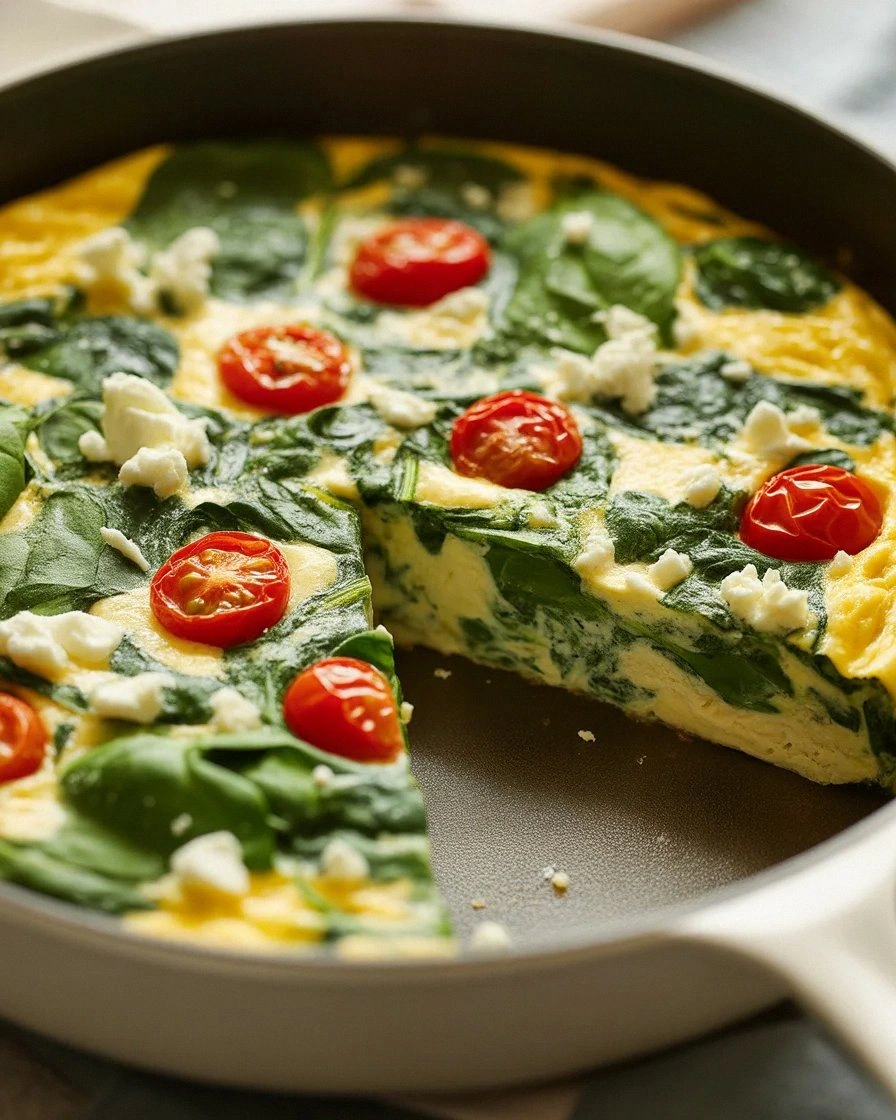
Imagine a plate that glows like a sunrise: golden edges, a glossy sheen of melted feta, and a faint pop of red from cherry tomatoes. The first bite delivers a creamy, tangy burst that instantly awakens your palate, while the spinach offers a gentle, earthy backdrop. The aroma is a comforting mix of sautéed onions, garlic, and oregano that makes your entire kitchen feel like a cozy Mediterranean trattoria. The texture is a paradox of soft, almost custard‑like interior with a slight crispness on the top that crackles when you bite. The overall experience feels like a hug wrapped in a warm, cheesy blanket, but with a fresh, veggie‑packed twist.
What sets this version apart is the meticulous layering of flavors and the strategic use of ingredients that most recipes overlook. I’ve taken the humble spinach and turned it into a robust, slightly sweet component that balances the sharp feta. I’ve added a splash of milk to keep the eggs from drying out, while a pinch of oregano brings a subtle herbal note that ties everything together. The result is a frittata that is not only delicious but also visually stunning, with a golden crust and a vibrant splash of color from the bell pepper and tomatoes. It’s a dish that looks as good on Instagram as it tastes on your plate. Trust me, this is hands down the best version you'll ever make at home.
I dare you to taste this and not go back for seconds. The first bite will have you wondering why you ever settled for anything less. I’ve poured my heart into this recipe, and the outcome is a symphony of textures and flavors that dance on your tongue. Picture yourself pulling this out of the oven, the whole kitchen smelling incredible, and the family gasping in delight. That moment, my friend, is pure culinary magic.
Okay, ready for the game‑changer? Let me walk you through every single step — by the end, you'll wonder how you ever made it any other way.
What Makes This Version Stand Out
- Flavor: The combination of feta, oregano, and a splash of milk creates a rich, tangy, yet silky profile that elevates the humble frittata.
- Texture: The eggs are whisked until airy, resulting in a custard‑like interior that contrasts with a golden, slightly crisp top.
- Color: Bright cherry tomatoes and red bell pepper provide a visual pop that makes the dish Instagram‑ready.
- Ease: Every step is straightforward, with no hidden tricks, making it a go‑to for both beginners and seasoned cooks.
- Versatility: The recipe works beautifully for breakfast, brunch, or a light dinner, and you can tweak it to suit dietary preferences.
- Crowd‑pleaser: Guests rave about the balanced flavors, and it pairs wonderfully with a crisp white wine or sparkling water.
- Make‑ahead: The frittata can be prepared ahead of time and reheated without losing its moisture or flavor.
- Ingredient Quality: Fresh, high‑quality spinach and feta make all the difference, turning a simple dish into a gourmet experience.
Inside the Ingredient List
The Flavor Base
The 6 large eggs are the backbone of this frittata. They provide structure, a subtle richness, and a silky mouthfeel when whisked properly. If you skip the eggs, you lose the custard texture that makes the dish cohesive. For a vegan version, try using a blend of silken tofu and nutritional yeast to mimic the egg’s binding properties.
The splash of milk—just enough to moisten the eggs—keeps the mixture from drying out during baking. It also adds a gentle, milky sweetness that balances the sharpness of the feta. If you prefer a dairy‑free option, replace milk with a splash of oat or soy milk.
The pinch of salt and pepper are essential for seasoning the entire dish. They lift the flavors of the vegetables and cheese, ensuring each bite is perfectly balanced. If you’re watching sodium, use a low‑sodium salt or simply rely on the feta’s natural saltiness.
The Texture Crew
The 4 cups of fresh baby spinach bring a subtle earthiness and a vibrant green that’s visually appealing. Fresh spinach also has a high vitamin C content, giving you a nutritional boost with each bite. If you’re using frozen spinach, make sure to squeeze out all excess liquid to prevent a soggy frittata.
The 1 cup of feta cheese offers a creamy, salty bite that contrasts beautifully with the mild spinach. Feta’s crumbly texture melts into the eggs, creating a luxurious mouthfeel. If you’re not a fan of feta’s tang, try crumbled goat cheese for a milder, buttery flavor.
The 1 medium onion, finely diced, provides a sweet, caramelized base when sautéed. The onion’s natural sugars caramelize, adding depth and sweetness that balance the feta’s sharpness. If you prefer a milder taste, use a small red onion or even a shallot.
The Unexpected Star
The 2 cloves of garlic, minced, bring a punch of aromatic heat that awakens the senses. Garlic’s sulfur compounds release as it cooks, creating a subtle, savory undertone that lingers. If you’re sensitive to garlic, use a smaller amount or replace it with garlic powder for a milder flavor.
The 1 medium red bell pepper, diced, adds a sweet, crisp bite and a pop of color that makes the frittata visually striking. Bell pepper’s natural sweetness balances the savory feta, while its crunch adds textural contrast. For a spicier twist, add a pinch of red pepper flakes.
The Final Flourish
The 1 cup of mushrooms, sliced, infuse an earthy, umami depth that elevates the entire dish. Mushrooms absorb flavors well, so they soak up the feta’s tang and the oregano’s aroma. If you’re vegan, replace mushrooms with diced zucchini for a similar texture.
The 1 cup of cherry tomatoes, halved, provide a burst of juiciness and a sweet acidity that cuts through the richness of the eggs and cheese. The tomatoes add a subtle brightness that makes the frittata feel fresh. If you can’t find cherry tomatoes, use diced regular tomatoes and add a splash of balsamic vinegar for acidity.
Everything’s prepped? Good. Let’s get into the real action.
The Method — Step by Step
- Preheat your oven to 375°F (190°C). Grease a 9‑inch cast‑iron skillet or a 9‑inch oven‑safe pan with 2 tablespoons of olive oil. The oil not only prevents sticking but also adds a subtle, toasted flavor to the bottom. While the pan heats, set a small bowl aside for the eggs.
- Add the diced onion to the hot pan and sauté for 3 minutes until translucent. The onions should soften but still retain a slight bite. Then add the minced garlic and cook for another 30 seconds until fragrant. The garlic’s aroma should fill the kitchen, signaling that it’s ready.
- Introduce the diced red bell pepper and sliced mushrooms to the pan, cooking for 4–5 minutes until they start to soften. Stir frequently to avoid burning. The vegetables should release their moisture and develop a slight caramelization.
- Fold in the fresh spinach, cooking until it wilts—about 2 minutes. The spinach will reduce significantly, but don’t overcook it; you want it bright green and slightly tender.
- Whisk the 6 eggs, splash of milk, pinch of salt, pinch of pepper, and 1 teaspoon dried oregano in a separate bowl until the mixture is uniform and slightly frothy. The froth indicates the eggs are aerated, which helps create a fluffy interior.
- Pour the egg mixture evenly over the sautéed vegetables, swirling the pan to distribute everything. The eggs should begin to set at the edges within 30–45 seconds. This is the moment of truth; don’t let the eggs dry out.
- Scatter the crumbled feta and halved cherry tomatoes over the top. The feta will melt slightly, creating a creamy layer, while the tomatoes add a juicy burst of flavor. The visual contrast of white feta and red tomatoes is irresistible.
- Transfer the skillet to the preheated oven and bake for 20–25 minutes, or until the frittata is set and the top is lightly golden. The center should be firm yet still slightly moist. Check the edges; they should pull away from the pan and be golden brown.
- Remove the pan from the oven and let the frittata rest for 5 minutes. This rest period allows the eggs to finish setting and the flavors to meld. Slice it into wedges, and serve hot with a side of crusty bread or a fresh green salad.
That's it — you did it. But hold on, I've got a few more tricks that'll take this to another level.
Insider Tricks for Flawless Results
The Temperature Rule Nobody Follows
Baking at 375°F is ideal for a balanced rise and golden crust. If you go too high, the eggs may curdle; too low, and the frittata will stay soft and undercooked. I’ve found that preheating the pan before adding oil locks in heat and creates a beautiful sear on the bottom.
Why Your Nose Knows Best
Smell the frittata as it bakes; a nutty, buttery aroma indicates the eggs are cooking evenly. If you notice a metallic or burnt scent, the pan is too hot. Trust your nose to tell you when the frittata is ready.
The 5‑Minute Rest That Changes Everything
Letting the frittata rest for five minutes after baking allows the residual heat to finish the cooking process. The rest period also lets the cheese set properly, preventing a runny center. I’ve seen this trick transform a decent frittata into a restaurant‑quality dish.
Use Fresh, Not Frozen
Fresh spinach and tomatoes retain more flavor and texture. Frozen produce can release excess water, leading to a soggy frittata. If you’re short on time, pre‑sauté the frozen veggies to remove moisture before adding them to the eggs.
The Secret of Crumbly Feta
Crumbled feta should be added at the last minute to prevent it from dissolving completely. This keeps the feta’s distinct bite intact. If you prefer a smoother texture, crumble the feta more finely or melt it into the egg mixture.
Serve Immediately for the Best Texture
The frittata is at its peak when hot and fresh out of the oven. Serving it immediately preserves the golden crust and the creamy interior. If you’re plating for a crowd, keep the frittata warm in a low oven (200°F) until ready to serve.
Creative Twists and Variations
This recipe is a playground. Here are some of my favorite ways to switch things up:
Mediterranean Delight
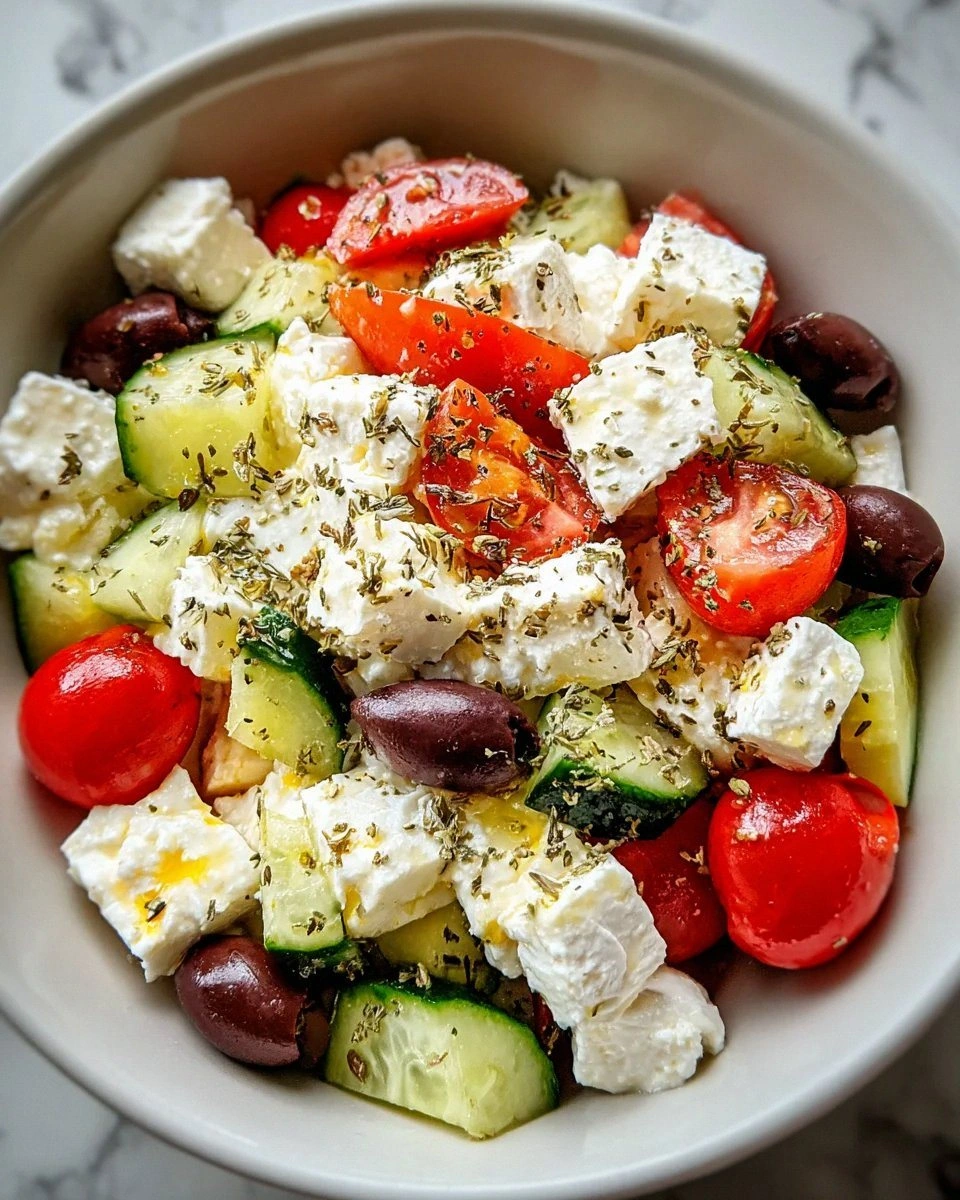
Swap the feta for goat cheese and add kalamata olives and sun‑dried tomatoes. The briny olives bring depth, while the sun‑dried tomatoes add a sweet, chewy texture. Serve with a drizzle of olive oil and a sprinkle of fresh oregano.
Spicy Kick
Add a pinch of red pepper flakes or a diced jalapeño to the sautéed vegetables. The heat complements the feta’s saltiness and adds a lively contrast. Pair with a cool cucumber yogurt dip to balance the spice.
Vegan Version
Replace eggs with a tofu‑based custard made from silken tofu, nutritional yeast, and a splash of plant‑based milk. Use vegan feta or crumbled tofu for the cheese element. This version maintains the same flavor profile while staying plant‑based.
Breakfast Boost
Add diced bacon or chorizo to the sautéed vegetables for a smoky, savory twist. The protein boost makes it a hearty breakfast that keeps you full until lunch. Top with a sprinkle of fresh chives for a bright finish.
Garden Fresh
Incorporate a handful of fresh basil leaves and a splash of lemon zest into the egg mixture. The citrus brightens the dish, while the basil adds a fragrant aroma. This variation is perfect for a light, refreshing meal.
Cheesy Surprise
Blend a tablespoon of ricotta or mascarpone into the eggs for an extra creamy texture. The ricotta adds a subtle sweetness that complements the feta’s tang. This version feels indulgent without being overly heavy.
Storing and Bringing It Back to Life
Fridge Storage
Let the frittata cool completely before wrapping it tightly in plastic wrap or placing it in an airtight container. Store it in the refrigerator for up to 3 days. The flavors will deepen, making it even more delicious.
Freezer Friendly
Slice the frittata into individual portions before freezing. Wrap each slice in foil and place them in a freezer bag. The frittata can be frozen for up to 2 months. When ready to eat, thaw overnight in the refrigerator.
Best Reheating Method
Reheat frozen slices in the oven at 350°F for 10–12 minutes, or until heated through. Add a tiny splash of water or milk to the pan before reheating to keep the eggs from drying out. The result is a warm, fluffy frittata that tastes almost brand new.