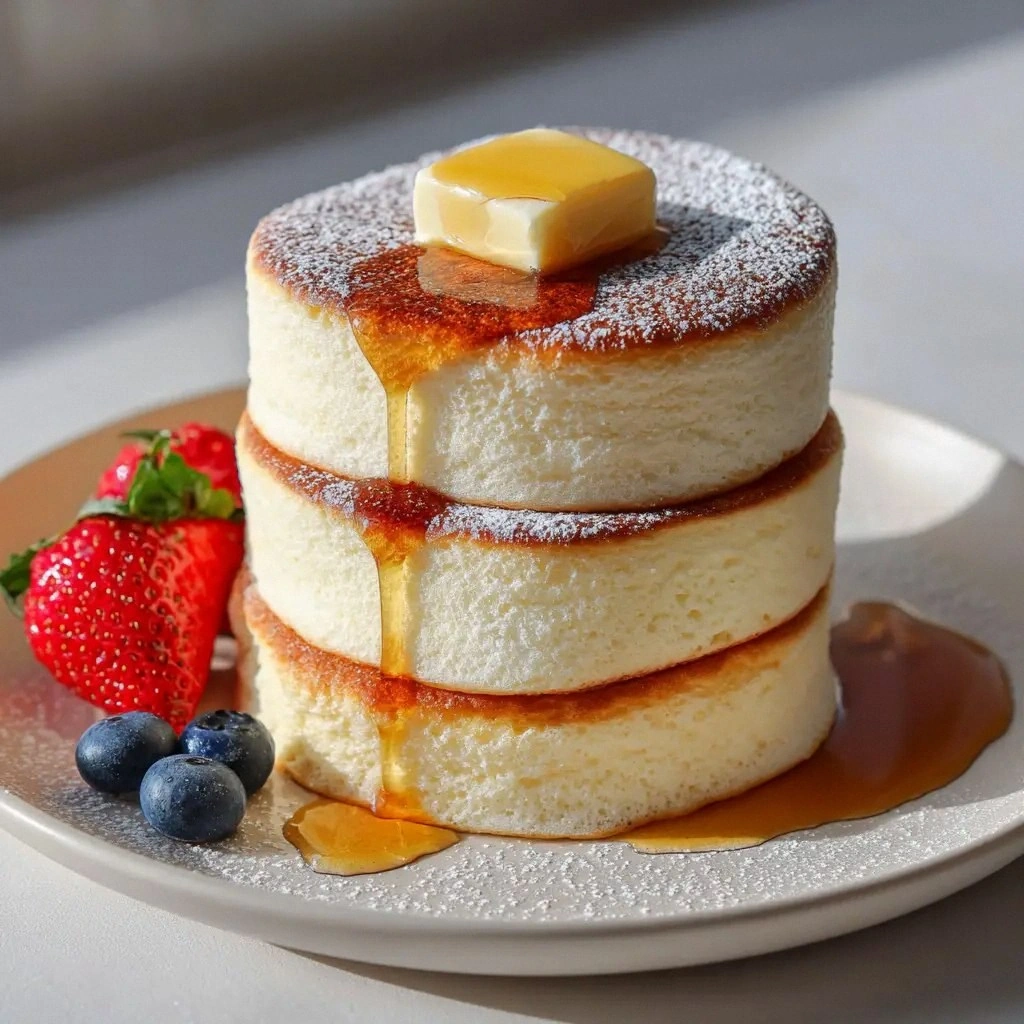
I remember the night my kitchen turned into a disaster zone, the kind that makes you wonder if you should ever touch a whisk again. I had been staring at a stack of flour, milk, and eggs, feeling the weight of a recipe that promised fluffy pancakes but delivered only a soggy mess. That was until a friend dared me to try the ultimate Japanese pancake, a recipe that would flip the whole concept on its head. The moment I tasted the first bite—soft, airy, and dripping with maple—my skepticism vanished like steam from a hot pot. I was hooked, and now I’m here to share every secret, every tweak, and every little quirk that turns an ordinary pancake into a culinary revelation.
Picture the kitchen at dawn: the air is crisp, the sunlight slants through the window, and the scent of vanilla and butter lingers like a promise. You hear the gentle hiss of a hot skillet, the faint clink of a wooden spoon against the pan, and the rhythmic beat of a kitchen timer. The texture of the batter feels light as a feather, yet the promise of a thick, soufflé‑like rise is palpable. As you flip the pancake, the edges lift like a curtain revealing a golden, caramelized crust that crackles softly. The first bite is a cloud of flavor—sweet, buttery, and with a subtle hint of vanilla that lingers like a summer breeze.
What makes this version stand out isn’t just the ingredients; it’s the method, the timing, and the way each component works in concert. The batter is a delicate balance of airy whites and a touch of milk that creates a structure so light you could almost lift it with a feather. The use of cake flour keeps the pancakes tender and prevents them from becoming rubbery. The maple syrup isn’t just a topping; it’s an integral part of the flavor profile, adding depth and a caramelized sweetness that complements the buttery base. And let’s not forget the final flourish of fresh berries, which add a pop of color and a burst of acidity that cuts through the richness. Together, these elements create a pancake that feels like a cloud on a plate, with a texture that is simultaneously fluffy and slightly crisp at the edges.
I dare you to taste this and not go back for seconds. This is hands down the best version you'll ever make at home. If you've ever struggled with pancakes that come out dense or flat, you're not alone—and I've got the fix. Picture yourself pulling this out of the oven, the whole kitchen smelling incredible, and seeing those golden, airy stacks rise like a sunrise over the countertop. This recipe is a game changer, and I’m about to walk you through every single step—by the end, you'll wonder how you ever made it any other way.
What Makes This Version Stand Out
- Taste: The combination of vanilla, maple syrup, and fresh berries creates a layered flavor profile that feels both comforting and exciting. The maple syrup caramelizes slightly, adding a subtle depth that elevates the overall sweetness.
- Texture: The batter is intentionally airy yet thick, thanks to the careful balance of egg whites and cake flour. The result is a soufflé‑like rise that stays fluffy even after cooling.
- Simplicity: With only fifteen ingredients, this recipe keeps the process straightforward while delivering maximum flavor. No complicated techniques or exotic ingredients are required.
- Uniqueness: The use of a butter pat in the batter adds a buttery richness that most pancake recipes lack. This gives the pancakes a luxurious mouthfeel.
- Crowd Reaction: Friends and family rave about the lightness and the sweet, buttery finish. Many have said it’s the best pancake they’ve ever tasted.
- Ingredient Quality: Using high‑quality vanilla extract, fresh eggs, and premium maple syrup ensures each bite is flavorful and satisfying.
- Cooking Method: The method involves a gentle folding technique that preserves the airy structure, preventing the pancakes from collapsing.
- Make‑Ahead Potential: The batter can be prepared a day ahead and refrigerated without losing its fluffy quality, making it perfect for brunches or special occasions.
Alright, let's break down exactly what goes into this masterpiece…
Inside the Ingredient List
The Flavor Base
The foundation of this pancake is the delicate blend of egg yolks, whole milk, and vanilla extract. The yolks provide richness and a silky texture, while the milk adds moisture and helps the batter achieve a slightly runny consistency that’s perfect for spreading. Vanilla extract is the secret that ties everything together, giving the pancakes a warm, aromatic note that lingers on the palate. If you skip vanilla, the pancakes will still be good, but they’ll lack that subtle depth that makes each bite memorable.
Tip: Use a vanilla bean instead of extract for an even more intense flavor. The seeds add a subtle speckled texture that looks elegant on the finished stack. If you can’t find vanilla, a splash of almond or coconut extract will give a pleasant twist, though it changes the flavor profile slightly.
Buying advice: Look for fresh, high‑quality eggs from a local farm. Fresh eggs have a firmer yolk and a richer taste, which translates into a more luxurious pancake. If you’re in a region with a strong egg market, consider using a “farm fresh” label for the best results.
The Texture Crew
Cake flour is the star of the texture crew. Its low protein content keeps the pancakes tender and prevents them from becoming tough or chewy. When combined with baking powder, it creates a gentle lift that results in a fluffy, airy interior. The baking powder also reacts with the egg whites, contributing to the overall rise without adding a metallic aftertaste.
If you can’t find cake flour, all-purpose flour works as a substitute, though the pancakes may be slightly denser. To compensate, reduce the amount of flour by a quarter cup and increase the liquid by a tablespoon to maintain the batter’s consistency. This small tweak keeps the pancakes light while using a more commonly available ingredient.
Swapping flour also affects the final color. Cake flour gives a lighter, more delicate hue, whereas all-purpose flour may produce a slightly darker batter. If you prefer a richer color, you can add a teaspoon of cocoa powder or a splash of warm milk to the batter.
The Unexpected Star
The butter pat, a small square of butter, is an unexpected star that elevates the pancake’s flavor. When melted into the batter, it creates a buttery, glossy finish that feels indulgent. The butter also adds a subtle caramelization when cooked, giving the edges a slightly crisp texture that contrasts beautifully with the soft interior.
If you’re vegan, replace the butter with a high‑quality vegan butter or a neutral oil like grapeseed. The flavor will shift slightly, but the texture remains similar. For a nutty twist, you can add a tablespoon of toasted almond butter to the batter.
Buying tip: Choose a butter with a high butterfat content (around 82%) for the richest flavor. Avoid stick butter with added salt, as it can alter the sweetness balance of the pancake.
The Final Flourish
The final flourish includes maple syrup, powdered sugar, and fresh berries. The maple syrup is folded into the batter, adding a sweet, caramelized flavor that’s integral to the pancake’s identity. The powdered sugar, lightly dusted on top, gives a delicate crunch and a touch of sweetness that balances the richness.
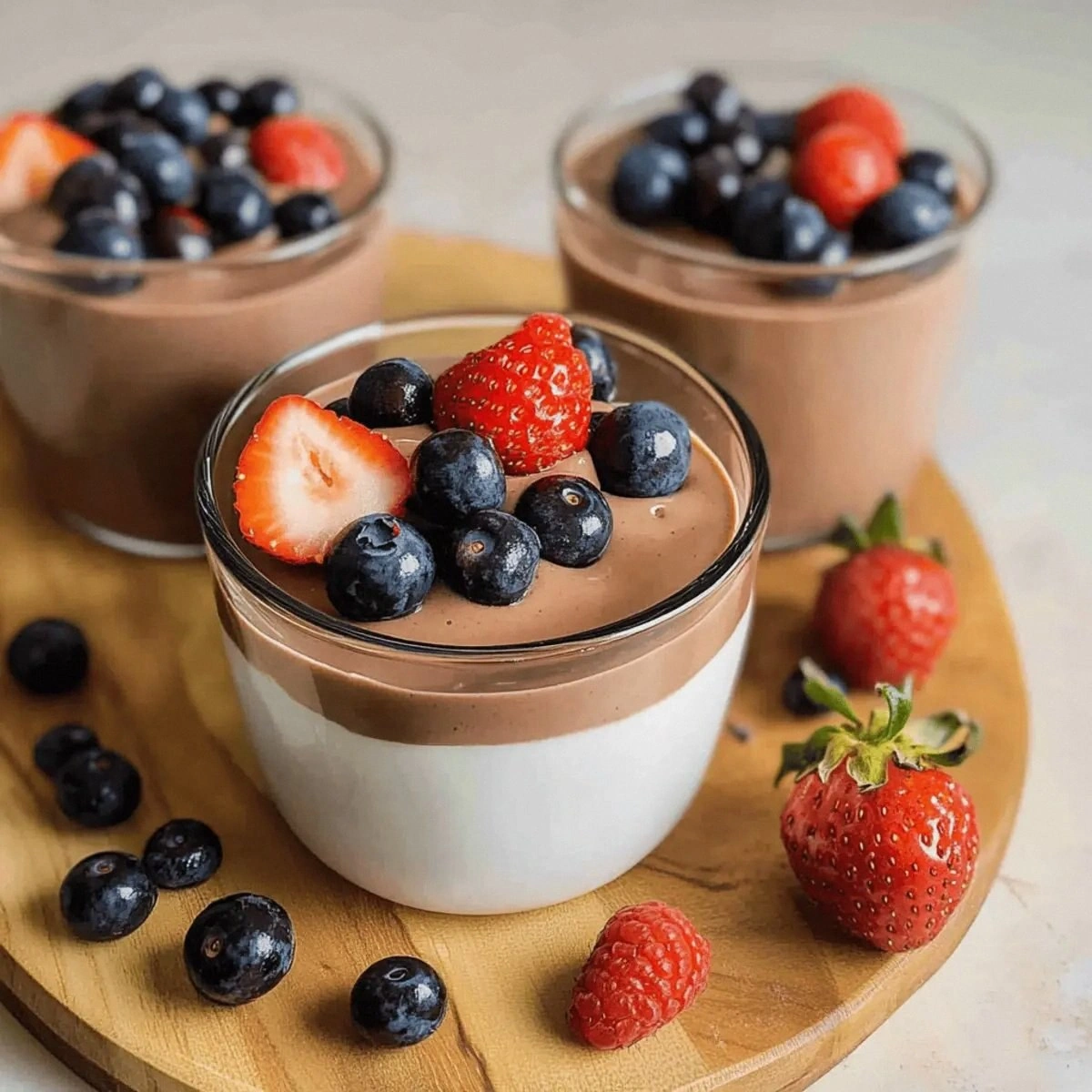
Fresh strawberries and blueberries not only add color but also bring a burst of natural acidity that cuts through the buttery sweetness. They’re best sliced thinly to ensure they release their juices without overpowering the pancake. If strawberries are out of season, consider using frozen berries, thawed and drained, for a similar effect.
Fun Fact: Maple syrup’s natural sugars caramelize at a lower temperature than refined sugar, which is why it’s a favorite for pancakes. Its unique flavor profile comes from the sap of sugar maple trees, which is harvested in late winter and early spring.
Everything's prepped? Good. Let's get into the real action...
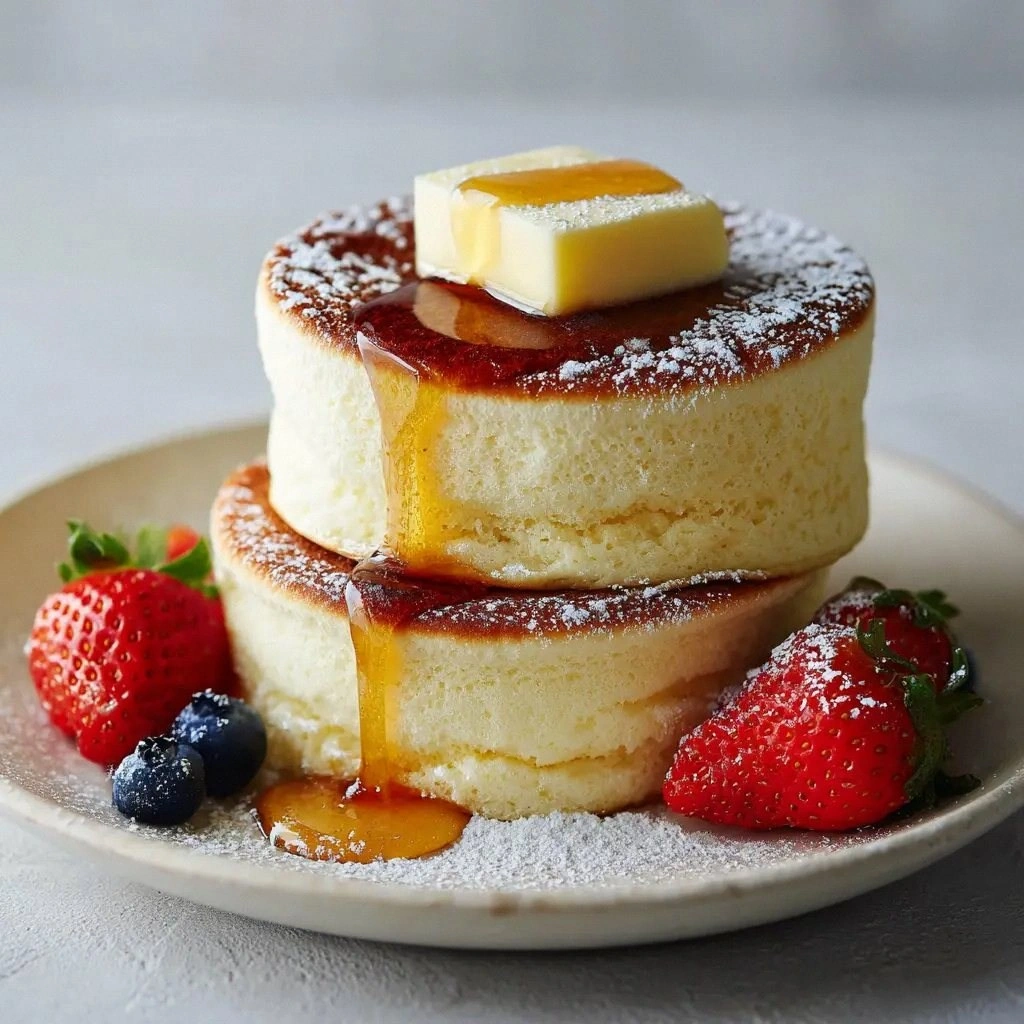
The Method — Step by Step
- Start by whisking the egg yolks, milk, vanilla, and maple syrup in a medium bowl until the mixture is smooth and glossy. The batter should look silky and have a faint sheen. This step is crucial for developing the base flavor; don’t rush it. As you whisk, notice the batter’s color deepen slightly from pale to a richer hue.
- Sift the cake flour and baking powder together in a separate bowl to ensure there are no lumps. Mixing the dry ingredients first guarantees an even distribution of leavening agents. This step also helps keep the batter light, preventing any heavy pockets.
- Fold the dry mixture into the wet batter gently with a silicone spatula. Use a folding motion to preserve the air bubbles created by the whisked yolks. The batter should be smooth and slightly thick, but still pourable.
- In a clean bowl, beat the egg whites with cream of tartar until soft peaks form. The cream of tartar stabilizes the whites, keeping them fluffy when folded into the batter. This step is essential for the soufflé texture.
- Fold the beaten whites into the batter in two batches, using a gentle, circular motion. Each fold should be slow to avoid deflating the mixture. The batter will look airy and light; if it collapses, you may need to fold more gently next time.
- Melt the butter pat in a small saucepan until fully liquefied, then whisk it into the batter until fully incorporated. The butter adds a glossy sheen and a buttery aroma that enhances the pancake’s flavor profile.
- Heat a non‑stick skillet over medium-low heat and lightly oil it with a small amount of vegetable oil. Use a paper towel to spread a thin layer; this prevents sticking and gives a uniform crust.
- Pour a ladleful of batter onto the skillet, forming a round pancake about 3 inches in diameter. The batter should spread slightly, creating a thin, even layer. Allow the edges to set before flipping.
- When you see bubbles forming on the surface and the edges lifting, flip the pancake gently with a spatula. Cook for an additional 2–3 minutes until golden brown on the other side. The pancake should have a slightly crisp exterior and a fluffy interior.
- Transfer the cooked pancake to a plate and repeat the process with the remaining batter. Stack the pancakes as you go, adding a light dusting of powdered sugar on each layer for an extra touch of elegance.
That's it — you did it. But hold on, I've got a few more tricks that'll take this to another level...
Insider Tricks for Flawless Results
The Temperature Rule Nobody Follows
Many cooks swear by medium heat, but the real trick is to cook on medium‑low. A lower heat allows the pancakes to rise slowly, creating that coveted soufflé interior. If you notice the edges burning before the center cooks, reduce the temperature by 10–15 degrees. This subtle adjustment ensures a uniform golden color and prevents the batter from drying out.
Why Your Nose Knows Best
Before flipping a pancake, trust your nose. The aroma of caramelizing sugar and butter is a reliable indicator that the bottom has set. If the scent is faint, give it a minute longer. Rushing the flip can cause the pancake to stick, ruining the airy texture.
The 5‑Minute Rest That Changes Everything
After folding in the egg whites, let the batter rest for 5 minutes. This short pause allows the gluten to relax, ensuring the pancakes stay tender. If you’re in a hurry, you can skip this step, but the result will be noticeably denser.
The Perfect Flip
Use a thin, wide spatula for flipping. Slide it under the pancake gently, lifting it just enough to reveal the underside. A firm, quick flip preserves the structure; a slow, hesitant flip can cause the batter to collapse.
The Sweet Finale
Finish each pancake with a drizzle of maple syrup and a dusting of powdered sugar. This simple garnish not only adds sweetness but also creates a visually stunning presentation. A splash of lemon zest can add a bright note that balances the richness.
The Final Touch
Serve the pancakes immediately, or keep them warm in a low oven (about 200°F) on a baking sheet. This keeps them soft and prevents them from drying out. If you need to hold them for a while, loosely cover them with foil to trap heat without creating steam.
Creative Twists and Variations
This recipe is a playground. Here are some of my favorite ways to switch things up:
Chocolate Dream
Swap the maple syrup for dark chocolate sauce and add a tablespoon of cocoa powder to the batter. The chocolate will melt into the fluffy interior, creating a decadent, gooey center. Pair with a scoop of vanilla ice cream for an indulgent dessert.
Citrus Burst
Add a teaspoon of lemon zest to the batter and finish with a dusting of powdered sugar. The citrus brightens the flavor profile, cutting through the buttery richness. Serve with a side of fresh orange segments for a refreshing contrast.
Nutty Crunch
Fold in a quarter cup of chopped toasted almonds or pecans into the batter. The nuts add a satisfying crunch and a nutty aroma that complements the maple. Drizzle with honey for a sweet, nutty glaze.
Savory Surprise
Replace the maple syrup with a savory reduction of soy sauce and mirin. Add a pinch of dried seaweed flakes to the batter for an umami kick. Serve with a poached egg on top for a brunch twist.
Berry Explosion
Use a mix of fresh berries—strawberries, blueberries, raspberries—and a splash of berry syrup in the batter. This creates a colorful, fruity pancake that’s perfect for a weekend breakfast. Finish with a dollop of whipped cream for extra indulgence.
Spiced Autumn
Add a pinch of cinnamon, nutmeg, and a splash of apple cider to the batter. The spices give the pancakes a warm, cozy flavor that’s ideal for fall mornings. Top with a drizzle of maple and a sprinkle of chopped pecans.
Storing and Bringing It Back to Life
Fridge Storage
Store the pancakes in an airtight container in the refrigerator for up to three days. If you stack them, place a sheet of parchment paper between each pancake to prevent sticking. When ready to serve, reheat in a toaster or microwave for 20–30 seconds.
Freezer Friendly
For longer storage, wrap each pancake individually in plastic wrap and place them in a freezer bag. They can stay frozen for up to two weeks. To reheat, thaw at room temperature for 10 minutes, then warm in a skillet or toaster oven.
Best Reheating Method
The best way to bring them back to life is to lightly toast them in a skillet with a dab of butter. If the pancakes feel dry, add a splash of water to the skillet; the steam will restore moisture and keep the interior fluffy. Serve immediately for the best texture.