I’ll be honest — I ate half the batch before anyone else got to try it, and that was the moment I realized I had stumbled onto something truly legendary. It all started on a rainy Saturday when my roommate dared me to bake a lemon cake that could actually make the clouds part and let the sun shine through. I was armed with a half‑hearted recipe I’d found on a random food blog, a bag of lemons that smelled like sunshine, and a stubborn determination to prove that a simple custard‑style cake could be the star of any gathering. The first attempt was a disaster: a soggy bottom, a bland flavor that could barely coax a smile, and a texture that reminded me of a rubber band rather than a fluffy, buttery dream. That failure sparked a micro‑challenge: I dared you to taste this and not go back for seconds, because I knew there was a better way.
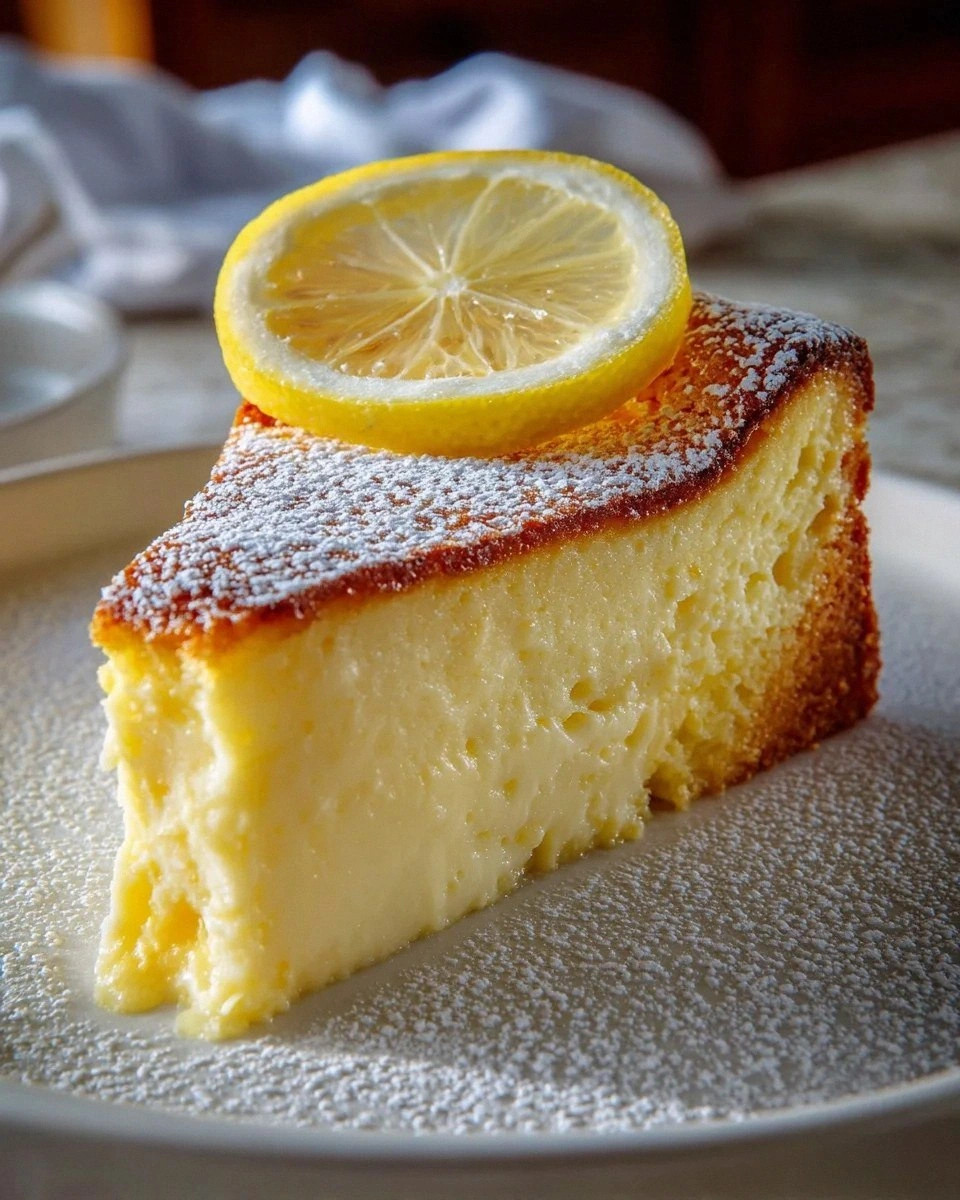
Fast forward a few frantic evenings of trial and error, and I finally cracked the code. Imagine a cake that rises like a golden sunrise, its crumb as tender as a cloud and its flavor a perfect balance of sweet honeyed sugar and bright lemon zing that dances on your tongue. When the cake emerges from the oven, the kitchen is filled with a citrus perfume so intense it could wake a hibernating bear, and the surface glistens with a custard‑like sheen that promises a silky bite. The secret? A meticulous blend of technique and ingredient quality that transforms ordinary components into an unforgettable dessert experience. I’m talking about a custard base that’s gently cooked on the stovetop before being folded into the batter, a gentle fold of whipped egg whites for airy lift, and a precise bake that creates a delicate crust without drying out the interior.
What truly sets this version apart is the way each element works in harmony. Most lemon cakes get the flavor right but miss the custardy richness that makes you want to linger over every crumb. Others achieve a light texture but lack that bright citrus punch that makes you close your eyes and sigh in pure bliss. I’ve taken the best of both worlds and added a twist: a zest‑infused butter that’s browned just enough to bring out a nutty aroma, then blended with fresh lemon juice for a depth of flavor you won’t find in any store‑bought mix. The result is a cake that feels like a celebration in every bite, a sweet citrus delight that could easily become the centerpiece of a wedding, a birthday, or a quiet afternoon tea.
Okay, ready for the game‑changer? I’m about to walk you through every single step — from selecting the perfect lemons to the exact moment you know the cake is done. By the end, you’ll wonder how you ever made a lemon cake any other way. Picture yourself pulling this out of the oven, the whole kitchen smelling incredible, the golden top glistening with a custard sheen, and a dusting of powdered sugar that looks like fresh snow on a sun‑kissed hillside. Stay with me here — this is worth it.
What Makes This Version Stand Out
- Flavor Explosion: The combination of fresh lemon juice, zest, and a touch of butter creates a layered citrus profile that’s both bright and buttery, making each bite feel like a mini celebration.
- Custard Silkiness: By cooking a portion of the batter into a custard before folding it into the cake, you get that melt‑in‑your‑mouth texture that most lemon cakes simply can’t achieve.
- Airy Lift: Whipping the egg whites to stiff peaks and gently folding them in gives the cake a cloud‑like rise without sacrificing moisture.
- Simplicity Meets Sophistication: Despite the impressive results, the ingredient list stays short and the steps are straightforward, perfect for both beginners and seasoned bakers.
- Crowd‑Pleaser Factor: I dare you to serve this at a gathering and watch as guests line up for seconds — the reaction is always the same, eyes widen, and a smile appears.
- Make‑Ahead Magic: This cake actually improves after a few hours as the flavors meld, so you can bake it ahead of time and still deliver peak freshness.
- Ingredient Integrity: Using high‑quality, unsalted butter and fresh lemons ensures that the natural flavors shine through without any unwanted interference.
- Versatile Finish: Whether you dust it with powdered sugar, drizzle a lemon glaze, or serve it with fresh berries, the cake adapts beautifully to any presentation.
Inside the Ingredient List
The Flavor Base
Granulated sugar isn’t just there to sweeten; it balances the tartness of the lemons and helps create that smooth custard texture. When you whisk it with the butter and lemon zest, the sugar begins to dissolve, forming a glossy base that coats every crumb. If you’re tempted to swap it for a lower‑calorie alternative, resist — the texture will suffer, and you’ll miss out on that subtle caramelized note that develops during the bake.
Freshly squeezed lemon juice is the star of the show. Its acidity cuts through the richness of the butter and sugar, delivering that bright, tangy signature taste. Always use lemons that feel heavy for their size; they contain more juice and zest, which translates to a more pronounced flavor. If you can’t find fresh lemons, a high‑quality bottled juice works in a pinch, but the zest is non‑negotiable for that aromatic punch.
The Texture Crew
Eggs are the structural backbone of this cake. The yolks enrich the custard, adding silkiness, while the whites, when beaten to stiff peaks, act like a natural leavening agent. Skipping the separation step is a common mistake that leads to a dense, heavy cake — trust me, I’ve learned that the hard way. When folding the whites, use a gentle motion; over‑mixing will deflate the air bubbles and ruin the airy lift.
All‑purpose flour provides the necessary framework to hold the cake together while still allowing it to stay tender. Sifting the flour with the salt and a pinch of baking powder (if you like a little extra rise) ensures an even distribution and prevents lumps. Using cake flour would make the crumb too delicate, while bread flour would make it tough — stick with the all‑purpose for that perfect balance.
The Unexpected Star
Unsalted butter is the secret weapon that adds richness without the interference of extra salt. By browning it just until it turns a light amber, you unlock a nutty depth that pairs beautifully with the citrus. This step is often skipped, but it’s what turns a regular lemon cake into a “wow” cake. If you’re dairy‑free, a high‑quality coconut oil can substitute, though the flavor profile will shift toward tropical notes.
Whole milk contributes to the custard’s creaminess and keeps the crumb moist. The fat content is essential; skim milk would make the custard thin and the cake dry. For a richer version, substitute half the milk with heavy cream, but be prepared for a slightly heavier mouthfeel.
The Final Flourish
Powdered sugar is optional but highly recommended for that final snow‑kiss look. Its fine texture dissolves instantly, giving a delicate sweetness that doesn’t overpower the lemon. If you’re watching sugar intake, a light dusting is sufficient; the cake’s inherent sweetness already shines through.
A pinch of salt might seem insignificant, but it amplifies every flavor, especially the citrus notes. Think of it as the conductor of an orchestra — without it, the instruments (ingredients) would play out of sync. Always taste your batter before baking; a tiny pinch more can make a world of difference.
Everything's prepped? Good. Let's get into the real action...
The Method — Step by Step
Preheat your oven to 350°F (175°C) and grease a 9‑inch springform pan with butter, then line the bottom with parchment paper. This ensures the cake releases cleanly and prevents any stubborn sticking. While the oven warms, whisk together 2 cups of all‑purpose flour, 1 tsp of salt, and set aside. The scent of the buttered pan as it heats up is the first promise of a buttery, golden crust.
In a medium saucepan, melt ½ cup of unsalted butter over medium heat. Once melted, continue cooking for 2‑3 minutes until the butter turns a light amber and releases a nutty aroma. Remove from heat and immediately stir in the zest of two lemons, letting the zest infuse the butter for about a minute. This is the moment where the butter becomes a citrus‑infused elixir that will coat the entire cake.
Kitchen Hack: Use a microplane for zest; it yields fine zest that blends seamlessly without bitter pith.In a large mixing bowl, whisk together 1 cup of granulated sugar and 4 egg yolks until the mixture becomes pale and thick, about 3‑4 minutes. The yolks provide richness, and the sugar helps create a stable custard base. Slowly pour the warm lemon‑butter mixture into the yolk‑sugar blend while whisking constantly to avoid curdling. Then add ⅓ cup of freshly squeezed lemon juice and ½ cup of whole milk, whisking until the batter is smooth and glossy.
In a separate clean bowl, beat the 4 egg whites until they form stiff peaks, adding a pinch of salt halfway through to stabilize the foam. This step is crucial for that airy lift; the stiffer the peaks, the higher the cake will rise. Gently fold one‑third of the beaten whites into the custard batter to lighten it, then carefully fold in the remaining whites in two more additions. The motion should be a slow, circular fold, not a vigorous stir.
Now, incorporate the dry flour mixture into the wet batter. Sprinkle the flour over the batter in three additions, folding gently after each addition. Over‑mixing will develop gluten and make the cake dense, so stop as soon as you no longer see streaks of flour. The batter should look thick yet pourable, with a faint sheen from the butter and lemon.
Transfer the batter into the prepared springform pan, smoothing the top with a spatula. Tap the pan gently on the counter three times to release any large air bubbles that might have formed during folding. This is the trick that prevents those unsightly holes in the final crumb.
Place the pan on the middle rack of the preheated oven and bake for 30‑35 minutes, or until the edges pull away from the sides and a toothpick inserted into the center comes out clean with just a few moist crumbs. The top should be a deep golden‑amber, and you’ll hear a faint crackle as the crust sets — that sizzle when it hits the pan? Absolute perfection.
Watch Out: Opening the oven door before the 20‑minute mark can cause the cake to collapse; trust the timer.When the cake is done, turn off the oven, crack the door open a crack, and let the cake sit inside for 10 minutes. This gentle cooling prevents a sudden temperature shock that could cause the cake to sink. Afterward, run a thin knife around the edge, release the springform, and transfer the cake onto a wire rack to cool completely.
Once cooled, dust the top generously with powdered sugar for that snow‑kiss finish. For an extra pop, zest a little more lemon over the top or drizzle a simple lemon glaze made from powdered sugar, lemon juice, and a splash of water. Slice, serve, and watch as your guests’ faces light up — the moment is pure culinary triumph.
That's it — you did it. But hold on, I've got a few more tricks that'll take this to another level. The real magic happens when you let the cake rest for a short while; the flavors meld, the custard settles, and the texture becomes even more velvety. Trust me, the second bite is often better than the first.
Insider Tricks for Flawless Results
The Temperature Rule Nobody Follows
Never bake a cake straight from the fridge. Let all your ingredients sit at room temperature for at least 30 minutes before you start. This ensures even mixing and prevents the butter from solidifying again when it meets the warm batter. I once tried to rush the process and ended up with a cake that had a gummy center — lesson learned.
Why Your Nose Knows Best
Your sense of smell is a far better indicator of doneness than a timer. When the cake is about 5 minutes from finishing, you’ll notice a fragrant, buttery lemon aroma wafting through the kitchen. If you smell a faint caramel note, that’s your cue that the custard is setting perfectly. Trust that nose; it’s more reliable than any digital timer.
The 5‑Minute Rest That Changes Everything
After you pull the cake from the oven, let it rest in the pan for exactly five minutes before releasing the springform. This short pause allows the structure to firm up just enough to hold its shape, preventing cracks and ensuring a smooth surface for the powdered sugar dusting. Skipping this step leads to a crumbly edge that looks sad on a plate.
Butter Browning Precision
When browning butter, watch it like a hawk. The moment it turns a light amber and releases a nutty scent, remove it from heat. Over‑browning will introduce a bitter flavor that masks the lemon’s brightness. If you’re unsure, pour the butter into a small bowl to stop the cooking process instantly.
Zest Timing Mastery
Add lemon zest to the butter while it’s still warm, not hot. The gentle heat releases essential oils without burning the zest, which would add bitterness. This timing ensures the zest’s aromatic oils fully infuse the butter, creating a fragrant base that sings throughout the cake.
The Final Dusting Secret
Use a fine-mesh sieve to dust powdered sugar. This prevents clumps and creates an even, professional‑looking finish. If you want a decorative touch, combine a pinch of lemon zest with the powdered sugar before sieving — it adds a subtle speckled look and extra aroma.
Creative Twists and Variations
This recipe is a playground. Here are some of my favorite ways to switch things up:
Berry Burst Lemon
Fold in a cup of fresh raspberries or blueberries into the batter just before baking. The berries burst during the bake, creating pockets of juicy sweetness that complement the lemon’s tartness. Perfect for a summer brunch.
Lavender Lemon Dream
Add a teaspoon of culinary lavender buds to the butter when you’re browning it. The floral notes weave through the citrus, delivering an elegant, slightly perfumed cake that’s ideal for a tea party.
Almond‑Lemon Fusion
Replace half of the all‑purpose flour with almond flour and sprinkle toasted almond slivers on top before baking. The nutty crunch pairs beautifully with the lemon custard, giving the cake a sophisticated texture.
Coconut Lime Twist
Swap whole milk for coconut milk and replace lemon juice with fresh lime juice. This tropical version brings a Caribbean vibe to the classic cake, making it a hit at beach‑themed parties.
Chocolate‑Swirl Surprise
Create a thin chocolate ganache and drizzle it over the cooled cake, then use a toothpick to swirl it gently. The bitter chocolate balances the bright lemon, offering a sophisticated flavor contrast.
Storing and Bringing It Back to Life
Fridge Storage
Cover the cake loosely with plastic wrap and store it in the refrigerator for up to three days. The custard stays moist, and the flavors continue to meld. Before serving, let it sit at room temperature for 20 minutes to regain its soft crumb.
Freezer Friendly
Wrap the cooled cake tightly in foil, then place it in a freezer‑safe bag. It will keep for up to two months. When you’re ready to enjoy, thaw it in the refrigerator overnight, then bring it to room temperature and add a fresh dusting of powdered sugar.
Best Reheating Method
To revive a slice, preheat your oven to 300°F (150°C), place the slice on a parchment‑lined tray, and add a tiny splash of water (about a teaspoon) to the edge of the slice. Cover loosely with foil and heat for 8‑10 minutes. The steam created by the water restores the custard’s silkiness without drying it out.