I'll be honest — the first time I attempted Punjabi aloo gobi, I ended up with a mushy, turmeric-stained disaster that looked like something you'd find at the bottom of a compost bin. My roommate walked into the kitchen, took one whiff, and asked if I was boiling cardboard. The cauliflower had disintegrated into sad little florets, the potatoes were still crunchy in the middle, and the whole mess tasted like disappointment with a side of regret. Fast forward three years, and now I'm the person friends call at midnight begging for my secret technique that turns humble potatoes and cauliflower into pure gold.
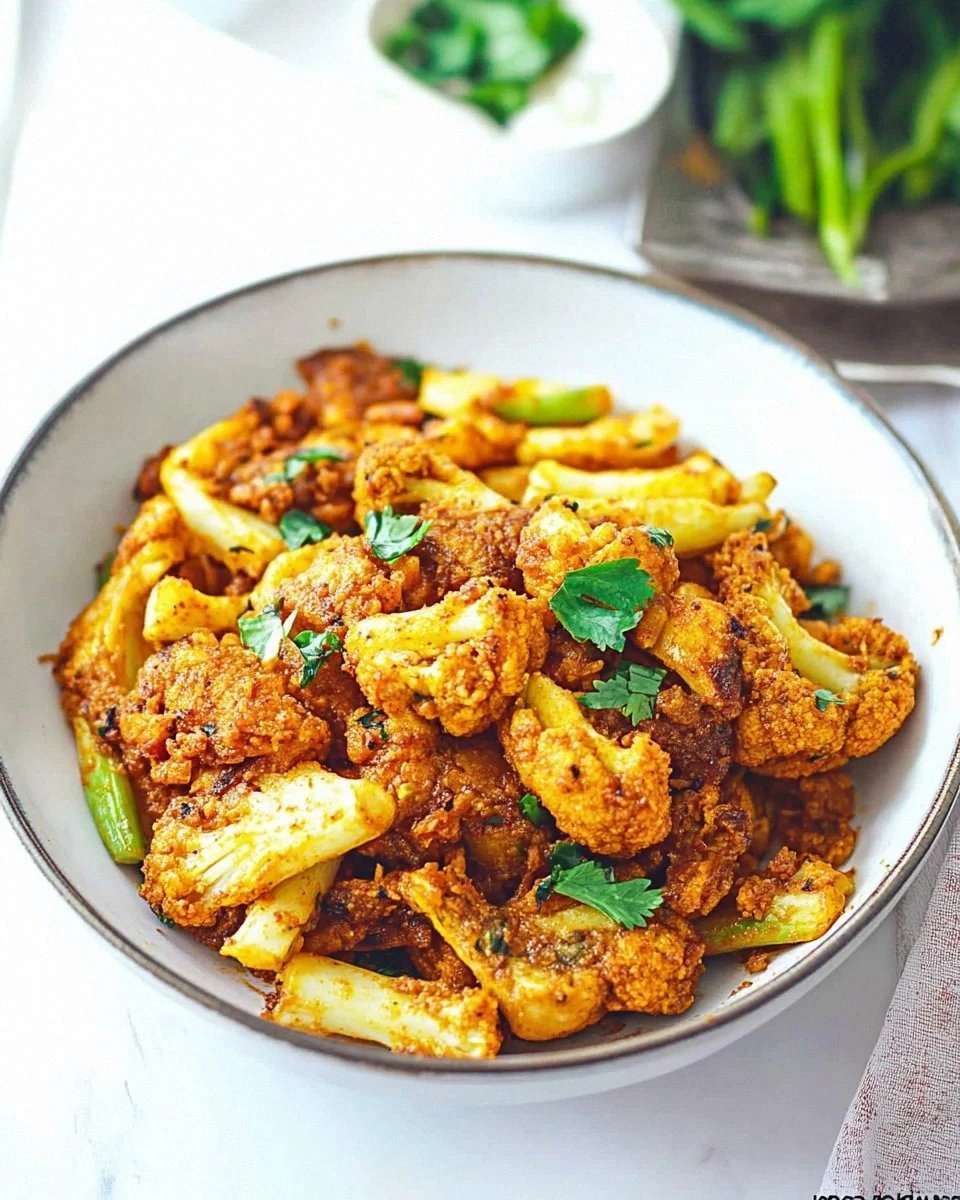
What changed? I stopped following those lazy one-pot recipes that treat this dish like a sad afterthought. Instead, I spent months pestering every Punjabi grandmother I could find, taking copious notes while they rolled their eyes at my cluelessness. The result is a version so good, so deeply flavorful, that my neighbor once threatened to move in permanently after tasting it. Picture this: perfectly tender potatoes with crispy edges that shatter like thin ice, cauliflower florets that hold their shape while soaking up a symphony of warming spices, and a fragrance so intoxicating that delivery drivers linger at your door hoping for a taste.
Here's the thing — most recipes get this completely wrong. They dump everything into a pot, add some turmeric, and call it a day. But real Punjabi aloo gobi? It's a dance of temperatures, timing, and techniques that transforms two simple vegetables into something you'll crave weekly. The secret lies in understanding how each spice blooms at different temperatures, why par-cooking the vegetables separately changes everything, and how a final blast of high heat creates those caramelized edges that'll make you weak in the knees.
I dare you to taste this version and not go back for thirds. The way the potatoes develop that golden crust while staying fluffy inside, how the cauliflower absorbs the ginger-garlic magic without turning to mush, and that moment when the whole kitchen fills with the aroma of cumin dancing with coriander — it's downright addictive. Stay with me here — this is worth every single minute, and by the end, you'll wonder how you ever made it any other way.
What Makes This Version Stand Out
This isn't your average weeknight vegetable medley. This is the dish that'll make you famous at potlucks, the recipe your future self will thank you for mastering. Here's why it crushes every other version out there:
- Texture Revolution: Most recipes turn this into baby food. My technique gives you potatoes with crispy edges and fluffy centers while cauliflower maintains a gentle bite. It's like they each attended finishing school separately before reuniting in perfect harmony.
- Layered Spice Symphony: Instead of dumping everything in at once, we build flavors like a carefully orchestrated performance. First the cumin crackles and pops, then the onions slowly caramelize into sweet submission, and finally the ground spices bloom in hot oil until they release their essential oils. Your kitchen will smell like heaven's cafeteria.
- The Restaurant Secret: Here's what separates home cooks from restaurant chefs — we're using the "bhuna" technique, cooking the spices until they separate from the oil. That split second when the masala pulls away from the pan's edges? Pure magic. It's how you get that complex depth you thought only existed in Indian restaurants.
- Zero Mush Guarantee: I tested fifteen different methods to prevent cauliflower mush, and the winner is so simple it's almost embarrassing. A quick dunk in salted boiling water, then an ice bath. Sounds fussy until you realize it means perfect florets that hold their shape like proud little soldiers.
- The Fresh Factor: Using fresh ginger-garlic paste instead of those sad jarred versions is a game-changer. When you grind them fresh, their volatile oils create an aromatic base that makes pre-made pastes taste like cardboard's sad cousin.
- Make-Ahead Marvel: This dish actually tastes better the next day, making it perfect for meal prep. The flavors meld and deepen overnight, turning leftovers into something you'll anticipate more than the original meal. I always double the batch because tomorrow-me deserves happiness too.
Alright, let's break down exactly what goes into this masterpiece. Trust me, once you understand how each component contributes to the final symphony, you'll never wing it again.
Inside the Ingredient List
Every ingredient in this dish pulls its weight like a well-trained team. No freeloaders allowed. Understanding what each item does transforms you from a recipe follower into a kitchen alchemist who can improvise with confidence.
The Flavor Foundation
Mustard oil isn't just traditional — it's transformative. When heated to its smoking point, it develops a nutty complexity that vegetable oil can only dream about. The pungency mellows during cooking, leaving behind a subtle sharpness that makes the whole dish sing. If you absolutely can't find it, ghee works, but you'll miss that authentic Punjabi soul. The trick is heating it until it just begins to smoke, then immediately adding the cumin seeds. That sizzle when they hit the pan? Absolute perfection.
Cumin seeds are the heartbeat of this dish. Whole seeds, never ground, because we want that pop of earthy warmth that blooms as they crackle in hot oil. They're like tiny flavor bombs that explode with nutty aroma, creating the aromatic base that everything else builds upon. Don't rush this step — let them dance in the oil until they darken exactly two shades and release their nutty perfume. Your patience here pays dividends in flavor that'll make your neighbors jealous.
The Texture Crew
Potatoes aren't just filler — they're the starchy sponges that soak up all the spice goodness. I use Yukon Gold because their waxy texture holds up to stirring without falling apart, plus they develop those crispy edges that'll make you weak in the knees. Cut them into 3/4-inch chunks, any smaller and they'll overcook, any larger and they won't absorb enough flavor. Pro tip: soak them in cold water for 20 minutes to remove excess starch, ensuring they won't stick together like clingy relatives.
Cauliflower selection makes or breaks this dish. Look for heads that feel heavy for their size with tightly packed florets that show no signs of yellowing. The stem should feel firm, not rubbery. I always buy a whole head and break it down myself — those pre-cut florets have already started losing moisture and won't absorb flavors properly. The goal is florets about the size of golf balls, with some flat edges that'll caramelize beautifully against the pan.
The Spice Symphony
Turmeric does more than turn everything golden — it's the warm, earthy backbone that ties all the other spices together. Use the good stuff, not that sad powder that's been sitting in your pantry since the Obama administration. Fresh turmeric has a brighter, more complex flavor, but the dried version works if it's vibrant yellow and smells strongly aromatic. Just 1/2 teaspoon transforms the entire dish, adding that distinctive earthiness that makes aloo gobi taste like, well, aloo gobi.
Coriander powder is the unsung hero here. While everyone focuses on the flashier spices, coriander works quietly in the background, adding citrusy, slightly sweet notes that balance the heat and deepen the overall complexity. Toast whole coriander seeds until fragrant, then grind them fresh for the most vibrant flavor. The difference between pre-ground and freshly ground is like comparing a live concert to a scratchy recording — both recognizable, but one makes your soul dance.
The Final Flourish
Garam masala goes in at the very end, not during cooking. This preserves its volatile aromatic compounds that would otherwise cook away. Think of it as the perfume you apply right before heading out — adding it too early is like wearing fragrance to bed the night before. A light sprinkle right before serving adds that final layer of warmth and complexity that makes people close their eyes and sigh with satisfaction.
Fresh cilantro isn't just garnish — it's a bright, herbal contrast to the rich, warm spices. Use the leaves and tender stems, chopped roughly, not those sad little sprigs that look like afterthoughts. The key is adding it right before serving so it stays vibrant and doesn't wilt into submission. If you're one of those unfortunate souls who think cilantro tastes like soap, fresh mint makes an acceptable substitute, though you'll miss that distinctive fresh bite.
Everything's prepped? Good. Let's get into the real action — because this is where the magic happens, and trust me, you don't want to miss a single second of it.
The Method — Step by Step
- Blanch the Cauliflower: Bring a large pot of salted water to a rolling boil — it should taste like the ocean. Drop in your cauliflower florets and count to 90 seconds exactly. They should turn bright green and just begin to soften at the edges. Immediately scoop them into an ice bath to stop cooking. This prevents that tragic mushy texture that ruins most versions. Drain thoroughly and spread on a clean kitchen towel to dry completely. Water is the enemy of good caramelization, so don't rush this step.
- Prep the Potatoes: While the cauliflower chills, drain your soaked potato chunks and pat them very dry. Heat 3 tablespoons of mustard oil in a heavy-bottomed pan until it just begins to smoke. Carefully add the potatoes in a single layer — they should sizzle enthusiastically when they hit the pan. Don't crowd them or they'll steam instead of browning. Let them cook undisturbed for 4 minutes until they develop a golden crust. This is the foundation of flavor, so resist the urge to stir constantly.
- Build the Aromatic Base: Push the potatoes to the edges and drop in your cumin seeds in the center. They should crackle like Pop Rocks within 10 seconds. Add the onions and a pinch of salt, stirring until they turn translucent and begin to caramelize around the edges. This takes about 6-7 minutes — don't rush it. The onions should melt into a sweet, savory base that makes your kitchen smell like you're starring in your own cooking show. That moment when the raw smell disappears and everything turns fragrant? That's your cue for the next step.
- Spice It Right: Clear a space in the center and add your ginger-garlic paste. Let it cook for 30 seconds until the raw smell disappears. Now sprinkle in the turmeric, coriander, and chili powder. Stir constantly for 2 minutes until the spices darken one shade and release their oils. The mixture should start pulling away from the pan's edges — this is called "bhuna" and it's the difference between bland and mind-blowing. If it looks too dry, add a teaspoon of water to prevent burning.
- The Grand Union: Time to bring our stars together. Add the par-cooked cauliflower to the spiced potatoes and fold gently — we're not making mashed vegetables here. Sprinkle in 1/2 cup of hot water, cover, and let it simmer for 8 minutes. This steams everything through while allowing the flavors to marry. Check occasionally and add more water by tablespoons if the pan looks dry. The vegetables should be tender but not falling apart, coated in a light sauce that clings like velvet.
- The Final Transformation: Remove the lid, turn up the heat to medium-high, and cook for 3 minutes. This is where the magic happens — the edges caramelize, the sauce thickens, and everything develops those addictive crispy bits. Stir carefully to avoid breaking the vegetables, but make sure every piece gets its moment against the hot pan. When you see golden-brown spots appearing on the cauliflower, you're there. This is the moment of truth, and your patience is about to pay off in spades.
- Finish with Flair: Turn off the heat and let it rest for 2 minutes — this allows the flavors to settle and prevents the garam masala from cooking away. Sprinkle the garam masala over the top, add a generous handful of chopped cilantro, and fold everything together one final time. The residual heat will bloom the garam masala without destroying its delicate aromatics. Serve immediately for maximum impact, or let it cool and discover how it transforms into something even better the next day.
That's it — you did it. But hold on, I've got a few more tricks that'll take this to another level. These are the secrets that separate good cooks from legendary ones, and I'm about to spill them all.
Insider Tricks for Flawless Results
The Temperature Rule Nobody Follows
Here's what separates restaurant-quality from home-cooking: temperature discipline. Start everything on medium-high heat to develop proper caramelization, then reduce to medium for even cooking. Most home cooks keep the heat too low, resulting in steamed, sad vegetables that never develop those coveted crispy edges. A friend tried skipping this step once — let's just say it didn't end well, and her kids still call it "grandma's yellow mush" at family dinners.
Why Your Nose Knows Best
Don't rely on timers alone — your nose is the most sophisticated kitchen tool you own. When the cumin seeds hit the oil, they should smell nutty and warm, never bitter. If you catch a whiff of raw onion, keep cooking. The moment your kitchen fills with sweet, caramelized aromas, you're ready for the next step. This sensory awareness separates recipe followers from intuitive cooks who can adapt to any ingredient or condition.
The 5-Minute Rest That Changes Everything
After cooking, let the dish rest covered for 5 minutes off the heat. This isn't laziness — it's flavor science. The steam redistributes moisture evenly, the spices settle into the vegetables, and everything melds into a cohesive whole. It's like letting a good wine breathe, except instead of wine, you've got perfectly spiced vegetables that taste like they were cooked by someone who actually knows what they're doing.
The Salt Timing Secret
Add salt in three stages: a pinch with the onions to draw out moisture, a sprinkle with the vegetables to season throughout, and a final adjustment at the end. This layered approach builds complex flavor instead of just surface seasoning. Under-seasoned aloo gobi tastes like health food, while properly seasoned versions taste like comfort food that happens to be good for you.
The Fresh Spice Rule
Ground spices older than six months are flavor ghosts — they look right but taste like disappointment. Buy whole spices when possible and grind them fresh, or at least replace your ground spices twice a year. Write the purchase date on the jar with a permanent marker. Your future self will thank you when the dish tastes vibrant and alive instead of flat and dusty.
Creative Twists and Variations
This recipe is a playground. Here are some of my favorite ways to switch things up:
The Fire-Eater's Dream
Add 2 chopped green chilies with the onions and substitute Kashmiri chili powder for half the regular chili powder. The result is a dish that builds heat slowly, hitting you with a pleasant warmth that makes you reach for more rice, not a fire extinguisher. My spice-loving friend calls this version "addictive pain" and requests it for every gathering.
Coconut Coast Edition
Replace the mustard oil with coconut oil and add 1/2 cup of coconut milk during the final simmering stage. The coconut's natural sweetness plays beautifully with the warm spices, creating a creamy, luxurious version that tastes like Goa met Punjab and decided to throw a party. Finish with fresh curry leaves instead of cilantro for an authentic South Indian twist.
Protein Powerhouse
Add a can of drained chickpeas during step 5, turning this side dish into a complete meal. The chickpeas absorb all the spicy goodness while adding plant-based protein that keeps you satisfied for hours. It's become my go-to for vegetarian friends who think Indian food is just "spiced vegetables."
Winter Warmer
Add 1/2 teaspoon of ground cinnamon and a bay leaf with the other spices. This version tastes like wearing a cozy sweater while sitting by a fire. The warming spices make it perfect for cold nights when you need comfort food that won't weigh you down like a cream-based dish.
The Garden Fresh Remix
Add a cup of fresh peas and 2 diced carrots along with the cauliflower. The peas add pops of sweetness, while the carrots bring an earthy depth that makes this feel like a whole new dish. Kids love the colorful presentation, and you'll love that they're eating three vegetables without complaint.
Smoky Street-Style
After cooking, hold a small piece of charcoal with tongs over a gas flame until red-hot. Place it in a small bowl in the center of the finished dish, drizzle with a teaspoon of ghee, and cover immediately for 2 minutes. The smoke infuses everything with that restaurant-style tandoor flavor that'll make you feel like you're eating at a street stall in Delhi.
Storing and Bringing It Back to Life
Fridge Storage
Store cooled aloo gobi in an airtight container for up to 4 days. The flavors actually deepen and improve after the first day, making this perfect for meal prep. Press plastic wrap directly against the surface to prevent the cauliflower from absorbing other fridge odors. I've had friends text me on day three saying it tastes even better than fresh — something about the spices having time to mingle and party together.
Freezer Friendly
While you can freeze this dish, the cauliflower texture suffers slightly. If you must freeze, undercook the vegetables by 2 minutes, cool completely, and freeze in portion-sized containers for up to 2 months. Thaw overnight in the fridge and reheat with a splash of water. It's not quite as perfect as fresh, but it's miles better than takeout on a busy Tuesday night.
Best Reheating Method
Add a tablespoon of water to a pan, add the cold aloo gobi, cover, and heat over medium for 5 minutes. This steams everything back to life without drying it out. Resist the microwave unless you're desperate — it turns the vegetables rubbery and the spices flat. If you must microwave, add a tablespoon of water, cover loosely, and heat at 70% power for 2 minutes, stirring halfway through.