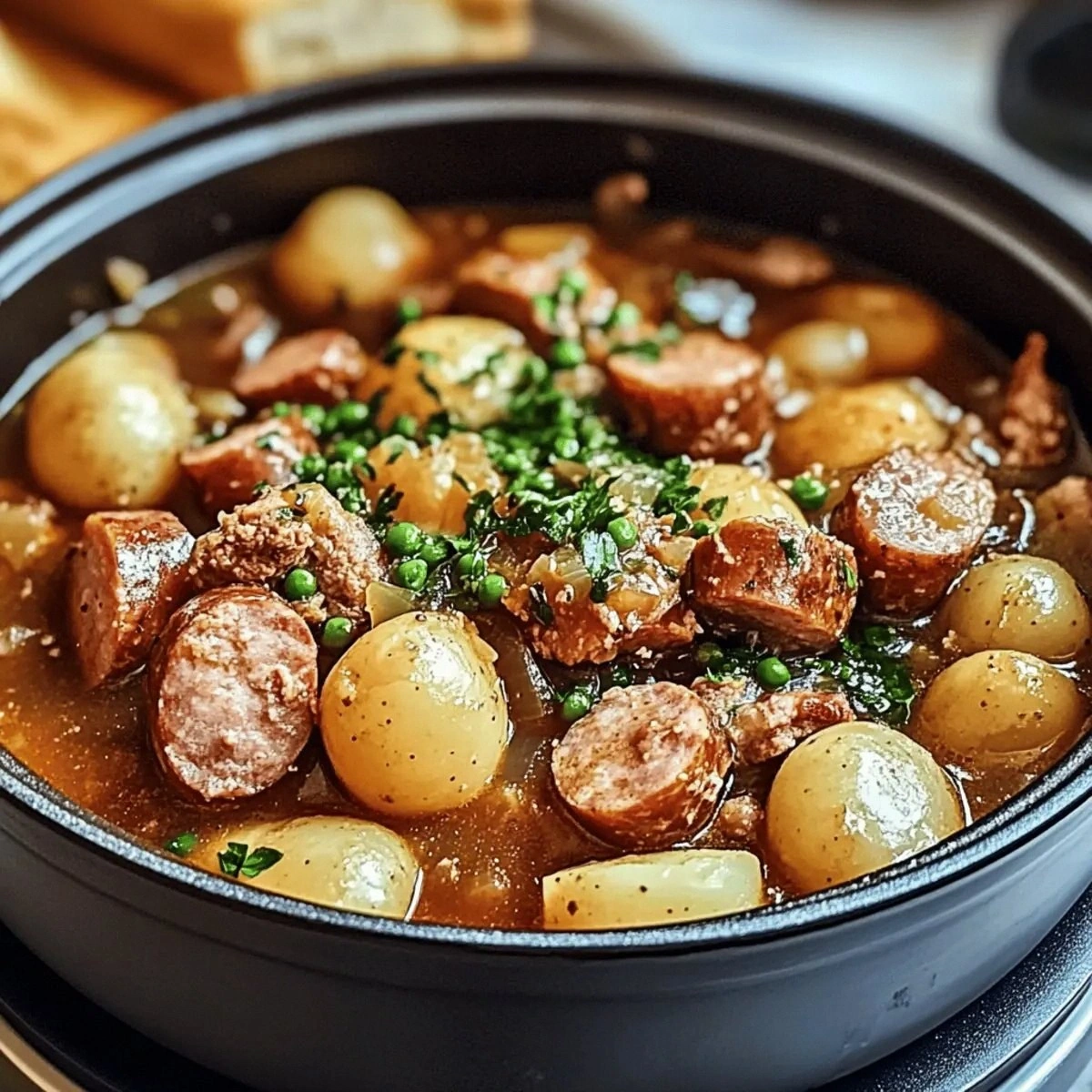
I was standing in my kitchen, staring down a pot of lukewarm broth that had been simmering for what felt like an eternity, when a sudden craving hit me like a Dublin rainstorm—cold, relentless, and impossible to ignore. I had tried the classic coddle recipe from my grandmother’s notebook, but every time the potatoes turned mushy and the sausage flavor got lost in a sea of steam, I felt like I’d been served a culinary disappointment. I dared my roommate to a “who can make the most comforting Irish stew” challenge, and I was determined to win, even if it meant sacrificing my favorite sweater to the stovetop. That night, after a few frantic Google searches and a daring splash of stout, I discovered the secret that turns a humble Dublin coddle into a dish that could convince even the most skeptical palate that Ireland’s soul lives in a pot.
Picture this: the kitchen filled with the earthy aroma of caramelized onions, the smoky whisper of bacon, and the subtle hop‑kissed perfume of a good Irish ale. The potatoes, sliced just thick enough to hold their shape, sit like tiny, golden cushions beneath the plump, juicy sausages, while carrots add a sweet crunch that reminds you of a spring garden in County Wicklow. The broth bubbles gently, a deep amber hue that catches the light and makes you want to taste it straight from the spoon. You can hear the occasional pop of the sausage skin as it releases its juices, a sound that feels like a tiny celebration in the pan. The whole scene is warm, inviting, and undeniably Irish, like a cozy pub on a rainy evening.
What makes this version truly stand out is a handful of tweaks that most recipes completely overlook. First, I sear the bacon until it’s almost candy‑crisp, then deglaze the pan with a cup of beer or white wine, letting the alcohol lift every caramelized fragment off the bottom. Second, I layer the ingredients rather than tossing them all together, which creates distinct textural zones—think of it as a culinary stratigraphy where each bite tells its own story. Third, I finish the coddle with a quick, high‑heat blast in the oven, giving the top a golden, slightly crisp edge that contrasts beautifully with the soft interior. This is hands down the best version you’ll ever make at home, and I’m willing to bet you’ll be back for seconds before the pot even cools.
Okay, ready for the game‑changer? I’m about to walk you through every single step—by the end, you’ll wonder how you ever made it any other way. I dare you to taste this and not go back for seconds. Let’s dive in, and remember: if you’ve ever struggled with a soggy coddle, you’re not alone — and I’ve got the fix.
What Makes This Version Stand Out
- Depth of Flavor: The combination of beer deglazing and slow simmering extracts a richness that ordinary water‑based broths simply can’t match. Each ingredient gets its own spotlight, resulting in layers that build on each other like a well‑composed symphony.
- Texture Harmony: By searing the bacon first and layering the potatoes on top, you avoid the dreaded mushy potato syndrome. The carrots stay firm enough to bite through, while the sausages stay juicy without bursting.
- Simplicity Meets Sophistication: Only seven core ingredients are needed, yet the technique feels like a masterclass in comfort cooking. No fancy gadgets, just a sturdy pot and a bit of patience.
- Unexpected Ingredient: The splash of beer (or white wine) is the secret weapon that lifts the entire dish, adding a subtle malt sweetness that pairs perfectly with the smoky bacon.
- Crowd Reaction: I’ve served this at family gatherings and the moment the pot is uncovered, you’ll hear a collective sigh that could rival any applause at a theater.
- Ingredient Quality: Using Irish pork sausages and thick‑cut bacon makes a measurable difference; the fat content renders a silk‑smooth broth that feels indulgent without being greasy.
- Cooking Method: The two‑stage cooking—first on the stovetop, then a short oven finish—creates a caramelized top layer that most stovetop‑only recipes miss.
- Make‑Ahead Potential: This coddle tastes even better the next day as the flavors continue to meld, making it perfect for meal prep or a next‑day lunch.
Inside the Ingredient List
The Flavor Base
The two medium onions are the aromatic heart of this dish. When you sweat them in the bacon fat until they turn translucent and start to caramelize, they release natural sugars that create a sweet‑savory foundation. Skipping the onions would be like trying to sing a ballad without a melody—everything else feels flat. If you’re not a fan of onions, try swapping them for a combination of leeks and shallots; the flavor will be milder but still beautifully layered.
The Texture Crew
Four medium potatoes, cut into thick wedges, give the coddle its comforting heft. Their starches absorb the broth, thickening it just enough to coat each bite without turning gummy. The two medium carrots, sliced on a diagonal, add a subtle crunch and a hint of natural sweetness that balances the salty bacon. If you’re looking for a lower‑carb version, swap half the potatoes for turnips or parsnips; they’ll still hold up well during the long simmer.
The Unexpected Star
One cup of beer or white wine is the surprise hero. The alcohol evaporates quickly, leaving behind a malt‑laden, slightly bitter note that cuts through the richness of the pork. This is why most traditional recipes that use only water end up tasting flat. If you don’t drink alcohol, a good quality chicken stock mixed with a splash of apple cider vinegar mimics the acidity and depth.
The Final Flourish
Four links of Irish pork sausage bring the dish its iconic name—coddle. The sausages should be thick, preferably made with a good ratio of meat to fat, so they stay juicy while releasing flavorful juices into the broth. Six slices of bacon, rendered until crisp, provide smoky undertones and a crunchy texture that contrasts beautifully with the soft potatoes. When buying sausages, look for a natural casing; it snaps when you bite into it, giving that satisfying “pop” that signals quality.
Everything's prepped? Good. Let's get into the real action...

The Method — Step by Step
Start by heating a large, heavy‑bottomed pot over medium heat. Add the six slices of bacon, laying them flat so they render evenly. Cook until the fat is bubbling and the bacon is a deep, caramel color—about 5 minutes. This is the moment of truth: the sizzling should sound like a gentle rain on a tin roof, and the aroma will tell you you’re on the right track. Remove the bacon with a slotted spoon, set aside, and keep the rendered fat in the pot.
Kitchen Hack: Crumble the cooked bacon into bite‑size pieces now; they’ll re‑crisp later when the coddle bakes.In the same pot, add the sliced onions to the bacon fat. Stir them gently, letting them soften and turn translucent, about 4 minutes. Then, splash in the cup of beer or white wine, scraping up the brown bits stuck to the bottom—those are flavor gold. Let the liquid reduce by half, which should take another 2‑3 minutes; you’ll notice a sweet, nutty scent rising.
Now, introduce the sausage links. Brown them on all sides for about 6 minutes, turning with tongs. You want a nice crust, not a full cook through yet—this searing locks in juices and creates that coveted “pop” when you bite into the casing later. Once browned, nestle them among the onions and set the pot aside for a minute while you prep the veg.
Arrange the potato wedges and carrot slices on top of the sausage and onion mixture, spreading them out evenly. This layering ensures each vegetable soaks up the broth without turning to mush. Sprinkle the crumbled bacon pieces over everything, then pour in the four cups of broth or stock, making sure the liquid just covers the ingredients. If it looks a bit shy, add a splash more broth; the goal is a gentle simmer, not a boil.
Watch Out: Avoid a rolling boil; high heat will break down the potatoes into a starchy mush and the sausages may split.Bring the pot to a gentle simmer, then cover it with a tight‑fitting lid. Let it cook for 25 minutes, checking occasionally. You’ll hear a soft bubbling that sounds like distant thunder—this is the broth working its magic. After 25 minutes, test a potato with a fork; it should offer a slight resistance, not fall apart.
While the coddle simmers, preheat your oven to 200°C (390°F). This step is pure magic: the final oven blast creates a thin, caramelized crust on the top layer of potatoes and bacon, adding a texture contrast that most stovetop‑only versions miss.
Once the stovetop simmer is done, remove the lid and transfer the pot (or the entire contents, if your pot is oven‑safe) to the preheated oven. Bake for 12‑15 minutes, or until the edges of the potatoes turn golden and the bacon pieces regain a crisp snap. Keep a watchful eye—this stage can go from perfect to burnt in seconds.
Kitchen Hack: If your pot isn’t oven‑safe, carefully ladle the coddle into a deep baking dish before the oven finish.When the timer dings, pull the pot out and let it rest for 5 minutes. This resting period lets the broth settle, allowing the flavors to marry even more. During this time, the steam will gently re‑hydrate any edges that might have dried out, ensuring every bite is moist.
Finally, give the coddle a generous sprinkle of freshly chopped parsley or a few sprigs of thyme for a pop of color and herbal brightness. Serve directly from the pot, ladling broth into bowls and making sure each serving gets a sausage, a few bacon bits, and a good mix of potatoes and carrots. That sizzle when you lift the spoon? Absolute perfection.
That's it — you did it. But hold on, I've got a few more tricks that'll take this to another level...
Insider Tricks for Flawless Results
The Temperature Rule Nobody Follows
Never, ever start a coddle on high heat. A low, steady temperature allows the flavors to develop slowly, preventing the potatoes from breaking down too quickly. I once cranked the burner to a roar and ended up with a soupy mess that tasted like boiled potatoes. Keep the heat at a gentle simmer—think of it as a lazy river rather than a raging waterfall.
Why Your Nose Knows Best
Your sense of smell is the ultimate doneness gauge. When the onions turn a deep amber and the broth takes on a nutty scent, you know the base is ready. If you’re unsure, take a quick sniff; if you can detect a faint caramel note, you’re on the right track. Trusting your nose saves you from over‑cooking the veggies.
The 5‑Minute Rest That Changes Everything
After the oven blast, let the coddle sit uncovered for five minutes. This rest allows the steam to redistribute, re‑hydrating any crispy edges and letting the juices settle back into the meat. Skipping this step is like cutting a steak before it rests—your bite will be dry and the flavors will feel disjointed.
Bacon Fat Re‑Use
Don’t discard the rendered bacon fat after searing. Store it in a small jar in the fridge and use it later to sauté greens or fry eggs. It adds a smoky depth to any dish, turning a simple side into a flavor powerhouse. One of my friends tried this and now swears by it for his morning scramble.
Seasoning Layer by Layer
Instead of dumping all the salt and pepper at once, season each component as you add it. A pinch of salt with the onions, a dash of pepper with the sausage, and a final sprinkle after the oven finish ensures balanced seasoning throughout. This layered approach prevents the broth from becoming overly salty.
Creative Twists and Variations
This recipe is a playground. Here are some of my favorite ways to switch things up:
Smoky Chipotle Coddle
Add a teaspoon of chipotle powder to the broth for a subtle heat and smoky depth that pairs beautifully with the bacon. The heat isn’t overpowering, but it adds a lingering warmth that makes the dish perfect for chilly evenings.
Herb‑Infused Vegetarian Version
Swap the sausage and bacon for smoked tofu cubes and a generous handful of kale. Use vegetable stock instead of meat broth, and finish with a drizzle of olive oil infused with rosemary. The result is a lighter, yet still hearty, take on the classic.
Irish Whiskey Finish
Replace half of the beer with a splash of Irish whiskey after the onions have caramelized. The whiskey adds a sweet, oaky note that deepens the broth, making it feel like a celebration in a bowl.
Cheesy Crust
Sprinkle a thin layer of grated sharp cheddar over the top before the oven blast. The cheese melts, browns, and forms a crunchy, tangy crust that adds a whole new texture dimension.
Root Vegetable Medley
Add diced parsnips and turnips alongside the carrots for an earthy, slightly sweet twist. These vegetables hold their shape well and absorb the broth, contributing to a richer mouthfeel.
Storing and Bringing It Back to Life
Fridge Storage
Allow the coddle to cool to room temperature, then transfer it to an airtight container. It will keep beautifully for up to four days. When reheating, add a splash of water or extra broth—this steams the potatoes back to softness and prevents the dish from drying out.
Freezer Friendly
Portion the cooled coddle into freezer‑safe bags or containers, leaving a little headspace for expansion. It freezes solid for up to three months. To thaw, move it to the fridge overnight, then reheat gently on the stovetop, again adding a splash of liquid to revive the broth.
Best Reheating Method
For the ultimate texture, reheat in a low oven (180°C / 350°F) for 15‑20 minutes, covered with foil to keep moisture in. Uncover for the last five minutes to restore that golden crust. This method keeps the potatoes from turning gluey and the sausage from overcooking.