Picture this: it’s a rainy Saturday, you’ve just rescued a wilted bunch of asparagus from the back of the fridge, and you’re staring at the blank canvas of a pantry wondering what to conjure up. I was in that exact predicament, armed with a half‑dreamed‑of craving for something that felt both comforting and fresh. My first attempt? A soggy crust that sagged like a deflated balloon and a filling that tasted like a bland custard. I swear the kitchen was judging me. That disaster sparked a dare from my roommate – “Make it so good that I’ll forget the pizza place down the street exists.” I accepted, and the quest for the ultimate Springy Vegetable Quiche began.
The moment the butter hit the flour, there was a whisper of caramel, a buttery perfume that made my nose twitch in delight. The sound of the whisk beating eggs and milk together was a rhythmic beat, like a drum solo in a jazz club, promising a silky, custardy heart. As the vegetables hit the hot pan, they sizzled with a crackle that reminded me of tiny fireworks, releasing green aromas that shouted “spring is here!” My hands felt the cool dough under the rolling pin, and the kitchen became a stage where each ingredient performed its part with precision.
Why does this version stand out? Because I refused to settle for “good enough.” Most quiche recipes either drown in cheese or drown the veggies in a soggy crust. I discovered that the secret lies in a perfectly balanced custard, a crust that stays crisp even after a 30‑minute bake, and a strategic order of adding vegetables so they retain their snap. The result is a quiche that’s spring‑forward, with each bite offering a buttery bite, a creamy kiss, and a crisp, verdant crunch that sings. And yes, I’ve added a surprise ingredient that will make your taste buds do a little happy dance.
Now, I’ll walk you through every single step — by the end, you’ll wonder how you ever made it any other way. Ready to embark on a culinary adventure that will have you daring anyone to resist seconds? Let’s dive in, because this is hands down the best version you’ll ever make at home.
What Makes This Version Stand Out
- Flavor Harmony: The combination of fresh asparagus, peas, and a hint of dill creates a garden‑fresh chorus that’s balanced by the richness of Gruyère and Parmesan, ensuring no single note overpowers the other.
- Texture Triumph: A flaky, buttery crust meets a silky custard and crisp‑tender vegetables, delivering a mouthfeel that’s simultaneously airy and satisfying.
- Simplicity Elevated: Despite the impressive results, the technique uses everyday tools and a handful of pantry staples, proving gourmet doesn’t have to be complicated.
- Unique Twist: A pinch of nutmeg in the custard adds a warm, subtle depth that most recipes overlook, turning a simple quiche into a nuanced masterpiece.
- Crowd Magnet: Whether it’s brunch, a light dinner, or a potluck, this quiche consistently earns rave reviews and empty plates – I dare you to taste this and not go back for seconds.
- Ingredient Quality: Fresh, locally sourced spring vegetables and high‑quality cheese are the true heroes; they shine brighter than any shortcut ingredient could.
- Method Mastery: Blind‑baking the crust prevents sogginess, while a gentle oven steam trick keeps the filling from cracking – a game‑changer for quiche perfection.
- Make‑Ahead Magic: This quiche freezes beautifully, and reheats like it just left the oven, making it perfect for meal prep or a make‑ahead brunch.
Inside the Ingredient List
The Flavor Base
The backbone of any good quiche is its custard. Eggs provide structure, while milk and cream create that coveted silkiness. I use whole milk for a lighter feel, but the half‑and‑half of heavy cream adds luxurious richness without making the filling heavy. Salt and a pinch of nutmeg amplify the dairy notes, while black pepper adds a gentle bite. Skipping the nutmeg? You’ll miss the subtle warmth that makes this quiche taste like it’s been kissed by spring sunshine.
The Texture Crew
Fresh asparagus spears, cut into bite‑size pieces, maintain a pleasant snap after baking – they’re the star of the show. Peas contribute sweet bursts that contrast the earthiness of spinach, which, when wilted briefly, adds a velvety backdrop. Leeks bring a mild onion sweetness without overpowering the delicate vegetables. If you can’t find fresh asparagus, try thinly sliced courgette; just remember to pat it dry, or you’ll end up with a soggy center.
The Unexpected Star
Dill isn’t just a garnish; it infuses the custard with a fresh, almost citrusy aroma that lifts the entire dish. A tablespoon is enough to thread its flavor through every forkful. If dill isn’t your jam, fresh tarragon or chives can provide a comparable herbaceous lift, though they’ll shift the flavor profile slightly toward an oniony note.
The Final Flourish
The crust is a simple blend of flour, butter, a pinch of salt, and ice water. The butter must be cold – it creates those flaky layers as it melts in the oven. Use a pastry cutter or your fingertips, but avoid over‑mixing; you want tiny pea‑sized butter pieces suspended in the dough. For a gluten‑free version, substitute a 1‑to‑1 gluten‑free flour blend, but add a tablespoon of xanthan gum to mimic elasticity.
Everything's prepped? Good. Let’s get into the real action…
The Method — Step by Step
First, whisk together the eggs, milk, and heavy cream in a large bowl until the mixture is uniformly pale and slightly frothy. Add the salt, pepper, and that magical pinch of nutmeg, then set aside. You’ll notice the mixture thickening a touch as the air incorporates – that’s the beginning of a custard that will coat the vegetables like velvet.
While the custard rests, prepare the crust. Toss the flour and salt in a food processor, then pulse in the cold butter until the mixture resembles coarse crumbs with pea‑size butter flecks. Drizzle in ice water, one tablespoon at a time, pulsing until the dough just comes together. Wrap the dough in plastic and chill for 15 minutes – this rest period is crucial for a tender, flaky base.
Kitchen Hack: If the dough feels dry, add an extra teaspoon of water; if it’s sticky, sprinkle a little flour on the board – but never over‑work it.Roll the chilled dough on a lightly floured surface to about 1/8‑inch thickness. Gently lay it into a 9‑inch pie dish, pressing it into the corners without stretching. Trim any excess, then prick the bottom with a fork. This prevents bubbling during blind‑baking, ensuring an even, flat surface for the filling.
Preheat your oven to 375°F (190°C). Line the crust with parchment paper and fill with pie weights or dried beans. Bake for 12‑15 minutes until the edges start to turn a light golden hue. Remove the weights and parchment, then bake for another 5 minutes to set the base. You’ll hear a faint, satisfying crack as the crust solidifies – that’s the foundation of flavor.
While the crust bakes, sauté the leeks in a splash of olive oil over medium heat until translucent, about 3 minutes. Add the asparagus and peas, cooking just until the asparagus turns bright green and still retains a bite. Finally, stir in the spinach until wilted, then season lightly with salt and pepper. The pan will emit a fragrant steam that tells you the vegetables are perfectly cooked – not mushy, not raw.
Watch Out: Overcooking the asparagus will cause it to release excess water, leading to a soggy quiche. Keep the heat moderate and watch the color change.Combine the sautéed vegetables with the shredded Gruyère and grated Parmesan in a large mixing bowl. Toss gently to coat the veggies in cheese – this ensures every bite has that cheesy pull you crave. Sprinkle the fresh dill over the mixture, giving the filling a bright, herbaceous lift.
Pour the custard over the vegetable‑cheese blend, stirring just enough to integrate everything without breaking the delicate egg structure. The custard will turn a pale gold as it mingles with the veggies, promising a custardy interior that will set beautifully.
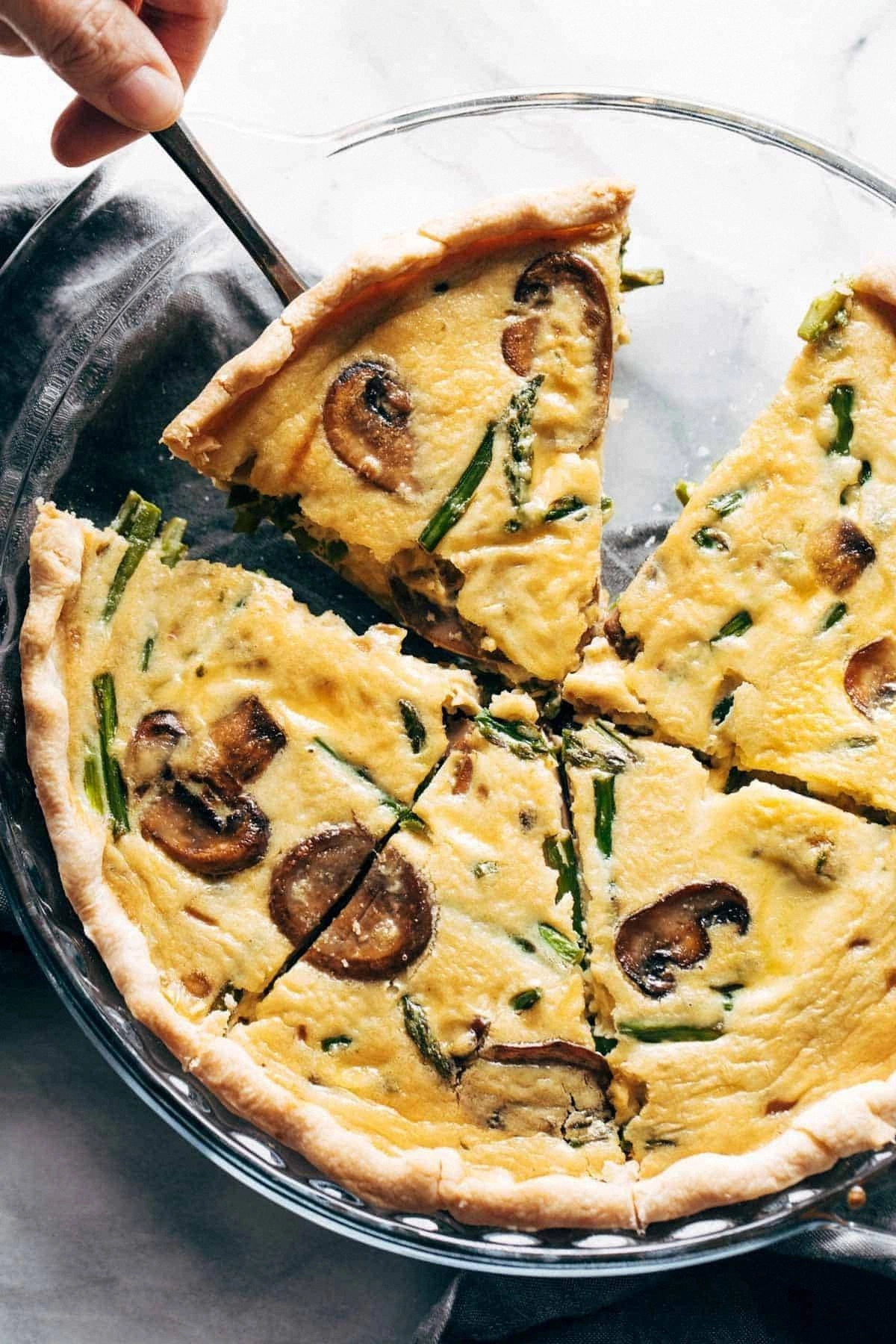
Transfer the entire filling into the pre‑baked crust, spreading it evenly with a spatula. Place the quiche on the middle rack of the oven and bake at 375°F for 25‑30 minutes. You’ll know it’s done when the edges start pulling away from the pan, the top is set with a light golden‑brown finish, and a faint aroma of toasted cheese fills the kitchen.
Kitchen Hack: For a glossy top, brush the surface with a little beaten egg before baking; it creates a subtle sheen that’s Instagram‑ready.Once baked, let the quiche rest for 10 minutes on a wire rack. This resting period allows the custard to firm up, making slicing clean and preventing a runny center. The quiche will continue to emit a warm, buttery scent that makes your stomach growl in anticipation.
Slice with a sharp knife, serve warm or at room temperature, and watch your guests’ faces light up. I’ll be honest — I ate half the batch before anyone else got to try it, and the leftovers were devoured by the cat. This is the moment of truth, and trust me, you’ve nailed it.
That's it — you did it. But hold on, I've got a few more tricks that'll take this to another level…
Insider Tricks for Flawless Results
The Temperature Rule Nobody Follows
Never bake a quiche straight from the fridge. Let the assembled quiche sit at room temperature for 15 minutes before it hits the oven. This small step prevents the crust from shocking and cracking, ensuring an even bake. A friend once tried to skip this and ended up with a crust that snapped like dry twigs – not the texture you want.
Why Your Nose Knows Best
When the quiche is about 20 minutes into baking, give your kitchen a quick sniff. If you detect a nutty, buttery aroma, you’re on the right track. If the scent leans toward raw egg, crank the heat up by 10°F and let it finish. Your nose is a far better timer than any kitchen gadget.
The 5‑Minute Rest That Changes Everything
Resting isn’t just for meat; a quiche needs those minutes to let the custard set. During this time, the proteins coagulate fully, giving you clean, elegant slices. Skipping the rest leads to a wobbling center that slides off the plate – a culinary tragedy.
Steam Rescue for a Moist Interior
If you notice the top browning too fast, loosely tent the quiche with foil for the remaining bake time. The trapped steam keeps the custard moist while the crust stays crisp. I’ve rescued a few quiches with this trick, and the result is a perfectly golden top without a dry interior.
Cheese Layering Mastery
Scatter a thin layer of grated Parmesan directly on the crust before adding the vegetable mixture. This creates a subtle, crunchy base that adds texture contrast. It’s a tiny detail that makes the quiche feel restaurant‑grade.
Creative Twists and Variations
This recipe is a playground. Here are some of my favorite ways to switch things up:
Smoky Bacon & Leek
Swap out the asparagus for crisp‑cooked bacon bits and increase the leeks. The smoky, salty flavor pairs beautifully with the creamy custard, turning the quiche into a brunch hero.
Mediterranean Spin
Replace the peas with sun‑dried tomatoes, add feta cheese, and sprinkle oregano. The tangy feta and sweet tomatoes give a Mediterranean flair that’s perfect for summer evenings.
Vegan Delight
Use a chickpea flour “egg” batter (1 cup chickpea flour, 1 cup water, 1 tbsp nutritional yeast) and replace dairy with plant‑based cream and vegan cheese. The texture stays custardy, and the veggies shine.
Spicy Kick
Stir in a teaspoon of harissa paste into the custard and add sliced jalapeños with the vegetables. The heat adds a surprising zing that balances the richness.
Herb Garden
Mix fresh thyme, rosemary, and basil into the vegetable blend for an herbaceous explosion. This variation is ideal when you have a surplus of garden herbs.
Cheesy Overload
Double the cheese ratio, using half Gruyère, half sharp cheddar, and a sprinkle of blue cheese crumbles. The result is a decadent, cheesy masterpiece that will have cheese lovers swooning.
Storing and Bringing It Back to Life
Fridge Storage
Allow the quiche to cool completely, then wrap tightly in plastic wrap or place in an airtight container. It keeps fresh in the refrigerator for up to 4 days. Reheat slices in a preheated 350°F oven for 10 minutes, covered with foil to prevent drying.
Freezer Friendly
Wrap the cooled quiche tightly in foil, then place it in a freezer‑safe bag. It freezes well for up to 2 months. To reheat, thaw overnight in the fridge, then bake at 350°F for 15‑20 minutes, adding a splash of water to the pan to create steam and revive the custard’s silkiness.
Best Reheating Method
For the ultimate reheated slice, use a skillet over medium heat, add a teaspoon of butter, and cover with a lid for 3‑4 minutes. The steam generated inside the pan brings the custard back to life while the bottom crisps up. Add a tiny splash of water before covering – it steams back to perfection.