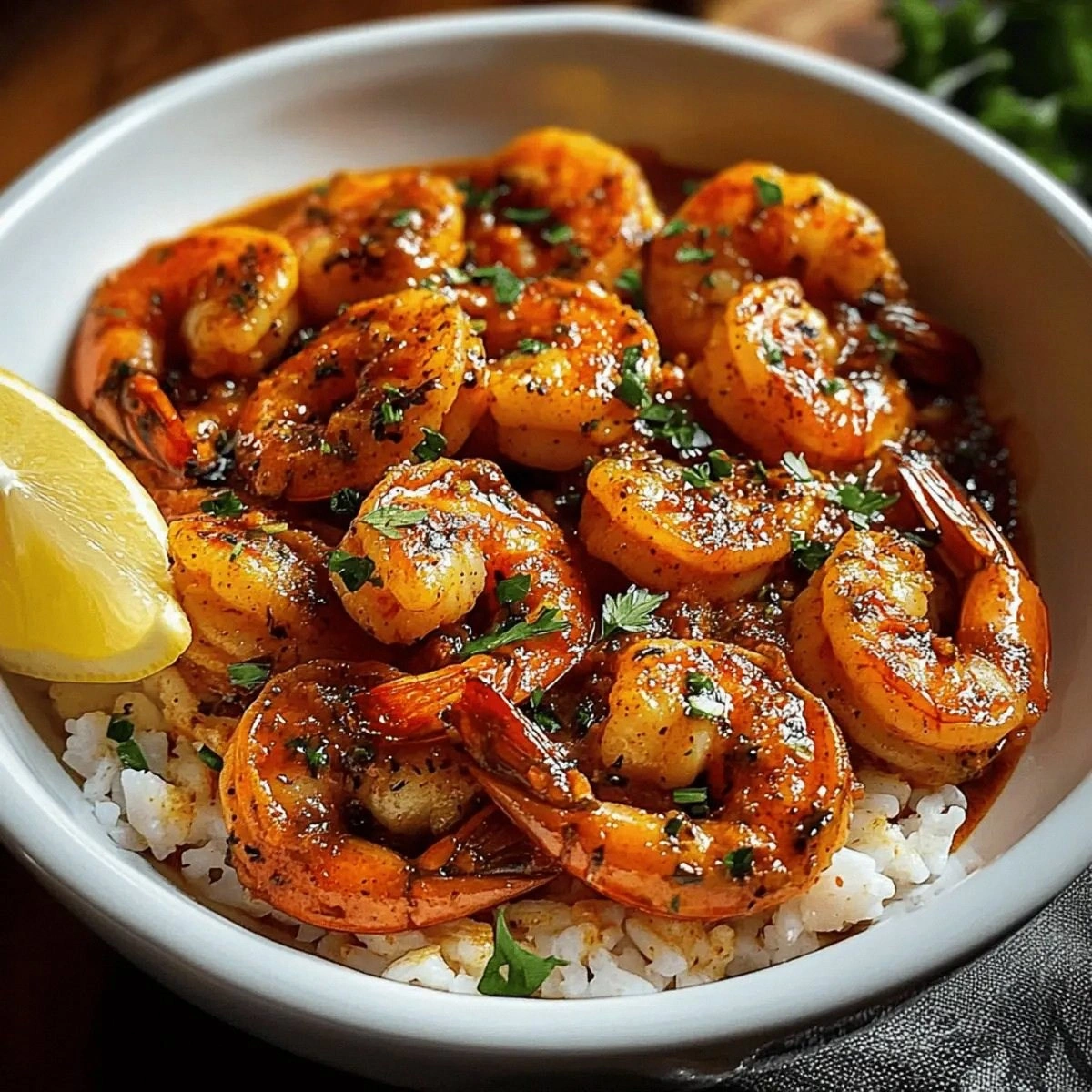
I still remember the first time I made this Spicy Voodoo Shrimp. It was one of those Tuesday nights when the fridge looked like a crime scene—half an onion rolling around, some sad celery, and shrimp that was one day away from becoming expensive fish food. I was hangry, my roommate was hovering like a vulture, and I had exactly 45 minutes before my favorite show started. What happened next was pure kitchen voodoo magic.
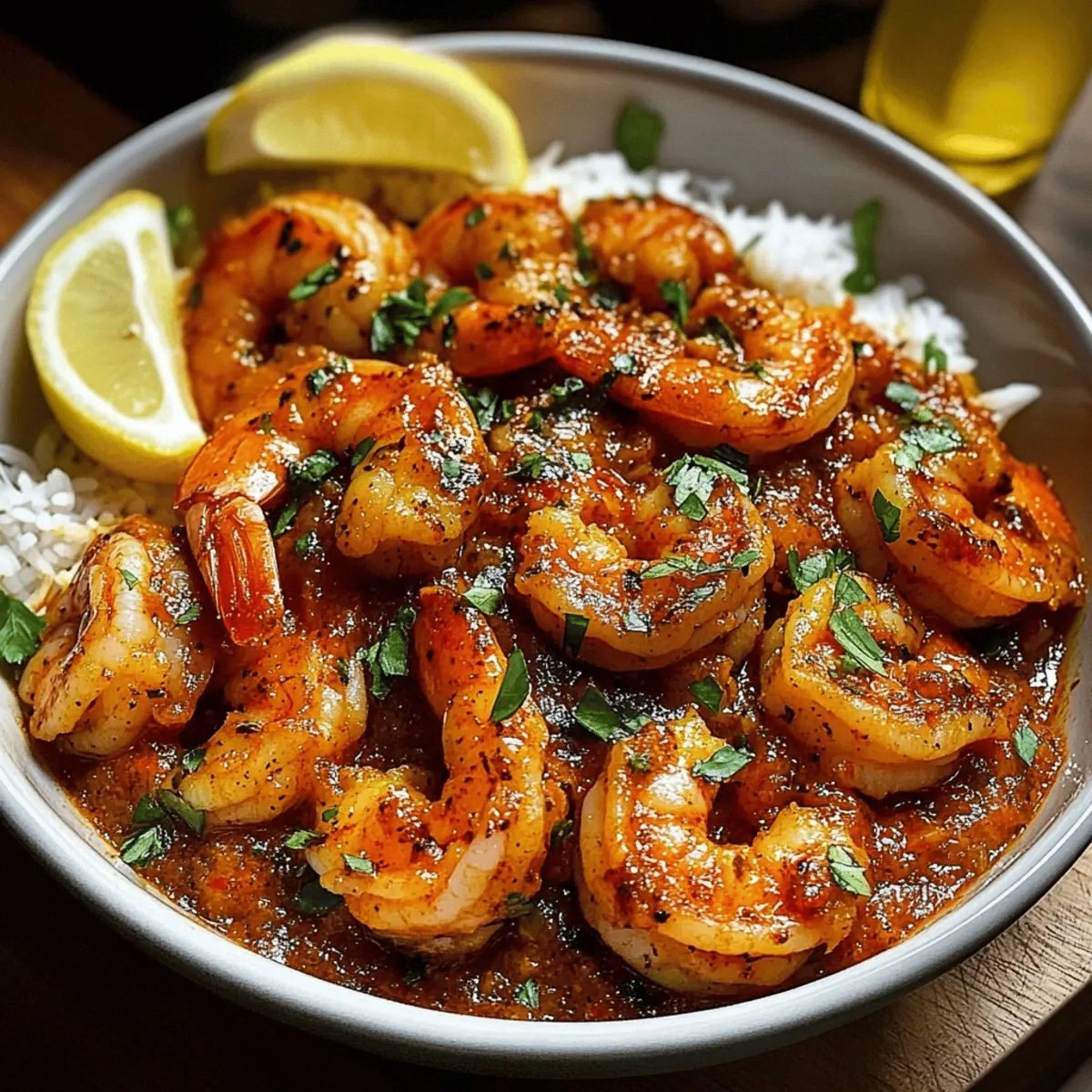
The smell hit first—smoky paprika dancing with Cajun spices, butter sizzling like it was auditioning for a cooking show. My roommate actually stopped mid-sentence, nose in the air like a bloodhound. "What is that?" she demanded. I didn't answer because I was too busy watching the sauce transform from a thin liquid into this glossy, burgundy blanket that coated every shrimp like velvet. The first bite? Holy mother of flavor. Spicy but not stupid-hot, rich but not heavy, with that slow burn that makes you reach for another bite before you've even swallowed the first.
Here's the thing—most shrimp recipes play it safe. They whisper when they should shout. They tiptoe around flavor when they should stomp right through it. This recipe? It throws a full-blown flavor parade in your mouth. The kind of dish that makes grown adults close their eyes and make inappropriate noises. I've served this to people who claim they "don't like spicy food" and watched them lick their plates clean while asking for the recipe.
The secret isn't just in the spice blend—though trust me, we'll get to that. It's in the layering. Building flavors like you're constructing the world's most delicious skyscraper. And the best part? Once you nail this technique, you'll never look at shrimp the same way again. Let me walk you through every single step—by the end, you'll wonder how you ever made it any other way.
What Makes This Version Stand Out
- Restaurant-Quality Depth: This isn't your typical "throw some spices on shrimp" recipe. We build a proper sauce using the holy trinity of Cajun cooking—onion, bell pepper, and celery—then layer in aromatics until your kitchen smells like New Orleans on a Saturday night. The result? A complexity that tastes like it simmered for hours, not minutes.
- The Perfect Heat Balance: Most spicy shrimp recipes are either wimpy or weaponized. This one hits that sweet spot where your taste buds light up but your forehead doesn't break a sweat. The combination of Cajun seasoning, smoked paprika, and just enough cayenne creates a heat that builds slowly, then lingers pleasantly like a good memory.
- One-Pan Wonder: Everything happens in a single skillet, which means maximum flavor with minimum dishes. The shrimp cook in the same sauce they helped create, picking up every bit of that spicy, buttery goodness. Less cleanup, more Netflix time.
- Weeknight Fast, Weekend Fancy: From fridge to plate in 45 minutes flat, but tastes like something you'd order at that trendy bistro downtown. I've served this to dates who thought I secretly trained at culinary school. Nope—just good technique and better spices.
- Customizable Heat Level: Like it mild? Back off the cayenne. Want to clear your sinuses? Add an extra pinch. The recipe scales beautifully, and I'll show you exactly how to adjust it to your preferred spice level without losing any of that addictive flavor.
- Meal Prep Champion: This reheats like a dream, making it perfect for Sunday meal prep. The flavors actually deepen overnight, transforming your sad desk lunch into the highlight of your workday. Trust me, your coworkers will be asking what smells so good.
Alright, let's break down exactly what goes into this masterpiece...
Inside the Ingredient List
The Foundation Crew
The holy trinity of Cajun cooking—onion, bell pepper, and celery—forms the aromatic backbone of this dish. These three vegetables, when sautéed together, create a flavor base that's deeper than your last relationship. The onion brings sweetness, the bell pepper adds a fresh, vegetal note, and the celery contributes that subtle bitterness that keeps the sauce from being one-dimensional. Skip any of these, and the whole dish falls flat like a bad soufflé.
Garlic joins the party fashionably late, because that's what garlic does. Three cloves might seem excessive, but we're not here to make friends—we're here to make magic. The garlic gets added after the other vegetables have softened, ensuring it perfumes the oil without turning bitter. Pro tip: smash your cloves with the flat of your knife first. Not only does this make them easier to peel, but it also releases more of those aromatic compounds that make vampires cry and foodies rejoice.
The Spice Syndicate
Cajun seasoning is the quarterback of this flavor team, and quality matters here. That three-year-old jar gathering dust in your spice cabinet? Leave it there and treat yourself to a fresh blend. Good Cajun seasoning should smell complex and slightly sweet, not just like someone emptied a pepper shaker into a jar. If you're feeling ambitious, you can even make your own blend, but I've got a soft spot for Slap Ya Mama or Tony Chachere's for weeknight cooking.
Smoked paprika is where we get that incredible depth that makes people ask "what's in this?" It's like regular paprika went to finishing school and came back with stories. The smoking process adds layers of complexity that transform the sauce from good to "holy cow, what did you put in this?" Hungarian smoked paprika is my go-to, but Spanish pimentón dulce works beautifully if you prefer a milder smoke.
Cayenne is our heat conductor, but here's where most recipes mess up. They treat it like salt—just throw some in and hope for the best. Start with one teaspoon, taste, and adjust. Remember, you can always add more heat, but you can't take it away without starting over. If you're cooking for people with varying spice tolerances, I suggest keeping the cayenne minimal and serving hot sauce on the side.
The Liquid Assets
Chicken stock forms the body of our sauce, but here's where you can customize based on what you have. Seafood stock will give you an even more intense ocean flavor, while vegetable stock keeps things lighter. Whatever you choose, make sure it's low-sodium. The sauce reduces and concentrates as it cooks, and starting with salty stock will leave you with something that tastes like the Dead Sea by the time you're done.
Worcestershire sauce is our secret weapon—the umami bomb that makes people ask "what's that flavor I can't quite place?" It's like the bass player in a band: you might not always notice it, but you'd miss it if it disappeared. Just one tablespoon adds that mysterious depth that separates restaurant-quality from home-cooking. Don't skip it, don't substitute it, don't question it.
The Star of the Show
Shrimp quality makes or breaks this dish. Those tiny salad shrimp in a can? Keep walking. What you want are large, plump shrimp that look like they could bench press the other ingredients. Fresh is fantastic if you live near the ocean, but good quality frozen shrimp work beautifully if you know how to handle them. The key is buying them raw, peeled, and deveined but with the tails still on. Those tails aren't just for presentation—they protect the delicate meat and add flavor to the sauce.
Size matters here. Large shrimp (31-35 count per pound) are perfect—they cook quickly but won't disappear into the sauce like smaller sizes. If you can only find jumbo shrimp, just add an extra minute or two to the cooking time. And whatever you do, don't buy pre-cooked shrimp. They're already overcooked and will turn rubbery faster than you can say "dinner's ready."
Everything's prepped? Good. Let's get into the real action...
The Method — Step by Step
- Season the Shrimp: Pat your shrimp dry with paper towels until they're completely moisture-free. This isn't the time to be gentle—really press down and get them dry. In a medium bowl, toss the shrimp with Cajun seasoning, smoked paprika, and cayenne until every piece is coated in that rusty-red spice blend. Set aside while you prep the vegetables. This brief rest allows the spices to penetrate the shrimp, creating flavor all the way through instead of just sitting on the surface like an afterthought.
- Build Your Flavor Foundation: Heat olive oil in a large skillet over medium-high heat until it shimmers like a mirage. Add the onion, bell pepper, and celery with a pinch of salt. Cook, stirring occasionally, until the vegetables soften and the edges start to turn golden. This should take about 8-10 minutes, but don't rush it. This is where we're building the flavor foundation that'll support everything else. Your kitchen should start smelling like you hired a professional chef.
- Add the Aromatics: Clear a space in the center of the pan and add the minced garlic. Let it sizzle for about 30 seconds—just until it becomes fragrant but before it starts to brown. Garlic burns faster than your ex's new relationship, so keep it moving with a wooden spoon. Once it's fragrant, stir everything together and let the garlic get acquainted with the vegetables for another minute.
- Create the Roux Base: Push the vegetables to the sides of the pan and add the butter to the center. Once it's melted and foamy, stir in the tomato paste. This is where the magic happens—the tomato paste will darken and caramelize, creating a deep, complex flavor base. Cook for about 2-3 minutes, stirring constantly, until the paste turns from bright red to a brick color and starts to stick slightly to the pan. Those brown bits? That's pure flavor gold.
- Deglaze and Build the Sauce: Add the Worcestershire sauce, dried thyme, and oregano, stirring to combine. Pour in the stock and scrape up all those beautiful brown bits from the bottom of the pan. Bring the mixture to a boil, then reduce to a simmer. Let it bubble away for about 5 minutes until it starts to thicken slightly. The sauce should coat the back of a spoon but still be pourable. Taste and adjust the seasoning with salt and pepper.
- Bring the Heat: Here's where you customize your spice level. Start with a dash of hot sauce, stir, and taste. Want more heat? Add another dash. Keep going until you hit your sweet spot. Remember, the shrimp will absorb some of the heat, so make it slightly spicier than you think you want. I dare you to taste this sauce and not immediately start planning your next batch.
- Cook the Shrimp: Crank the heat to medium-high and add the seasoned shrimp in a single layer. Don't stir for the first minute—let them develop a beautiful sear on the bottom. After about 90 seconds, flip the shrimp and cook for another 2-3 minutes until they're pink and curled into a gentle C shape. Overcooked shrimp curl into an O shape and have the texture of rubber bands, so watch them closely.
- Finish and Serve: Remove from heat and stir in the fresh parsley. The residual heat will wilt the parsley and release its bright, clean flavor. Squeeze fresh lemon juice over everything—start with half the lemon and add more to taste. The acid brightens all the flavors and cuts through the richness of the sauce. Serve immediately over rice, grits, or with crusty bread for sopping up every last drop of that incredible sauce.
That's it—you did it. But hold on, I've got a few more tricks that'll take this to another level...
Insider Tricks for Flawless Results
The Temperature Rule Nobody Follows
Room temperature shrimp cook more evenly than cold ones straight from the fridge. Let them sit out for 15-20 minutes while you prep your vegetables. Cold shrimp hitting a hot pan contract unevenly, leading to that curled-up shape that screams amateur hour. Room temperature shrimp stay flatter, cook more evenly, and have a better texture. It's a small step that makes a huge difference, like the difference between good coffee and great coffee.
But here's the part most people miss—don't let them sit out longer than 30 minutes. Seafood is delicate and can start to spoil quickly at room temperature. Set a timer if you're easily distracted like me. I've ruined more than one batch of shrimp by getting caught up in a phone call and forgetting about them until they smelled like low tide.
Why Your Nose Knows Best
Your sense of smell is your most underrated kitchen tool when making this dish. When the vegetables hit the pan, they should smell fresh and slightly sweet. As they cook, you'll notice the aroma changing—getting deeper and more complex. When you add the tomato paste, it should smell slightly sweet and concentrated, never burnt or bitter. If at any point things start to smell acrid or overly toasted, turn down the heat immediately.
The same goes for knowing when your sauce is properly reduced. It should smell rich and concentrated, like something you'd pay $25 for at a restaurant. If it still smells thin or watery, let it cook longer. Your nose knows when the flavors have concentrated properly, even before your eyes can see the difference in consistency.
The 5-Minute Rest That Changes Everything
After you finish cooking, let the dish rest for 5 minutes off the heat before serving. I know, I know—when you're hungry and everything smells amazing, waiting feels like torture. But this brief rest allows the shrimp to absorb some of the sauce, the flavors to meld together, and the temperature to drop slightly so you don't burn your tongue like a impatient child. These five minutes are when good becomes great.
Use this time wisely. Set the table, pour yourself a drink, put on some music. By the time you sit down to eat, the sauce will have thickened slightly and clung to every shrimp. The flavors will have married in a way that makes you wonder if you accidentally became a better cook while you weren't looking. A friend tried to skip this step once and served immediately—it was good, but not the life-changing experience I'm promising you.
Creative Twists and Variations
This recipe is a playground. Here are some of my favorite ways to switch things up:
The Coconut Curry Remix
Swap the chicken stock for coconut milk and add a tablespoon of curry powder along with the Cajun seasoning. The coconut milk creates a creamy, luxurious sauce that tames the heat while adding its own sweet complexity. Finish with fresh cilantro instead of parsley and serve over jasmine rice. This version is perfect for people who love the spice profile but want something richer and more tropical.
The Spanish Flamenco Version
Add a diced Spanish chorizo sausage when you cook the vegetables. The paprika-laced sausage adds incredible depth and transforms this into a Spanish-inspired dish. Swap the thyme for smoked Spanish paprika and add a handful of green olives at the end. Serve with crusty bread and a glass of Albariño wine for a tapas-style experience that'll transport you to a seaside café in San Sebastián.
The Asian-Fusion Firecracker
Replace the Worcestershire sauce with soy sauce and add a tablespoon of grated ginger with the garlic. A splash of rice vinegar at the end brightens everything up, while a drizzle of sesame oil adds nuttiness. Top with sliced scallions and serve over rice noodles for an East-meets-West fusion that shouldn't work but absolutely does. The spice profile changes completely but stays just as addictive.
The Creamy Comfort Edition
Stir in 1/4 cup of heavy cream during the last minute of cooking for a rich, creamy version that feels like shrimp étouffée's sophisticated cousin. The cream tames the heat and creates a luxurious sauce that clings to every bite. This version is perfect for serving over grits or mashed potatoes when you want something that feels like a warm hug on a cold day. Just be careful not to let it boil after adding the cream, or you'll end up with a broken, greasy mess.
The Garden Fresh Variation
Add a diced zucchini and a handful of cherry tomatoes with the bell pepper for a vegetable-forward version that still packs all the flavor. The zucchini absorbs the sauce beautifully, while the tomatoes burst and add little pockets of sweetness throughout. This is my go-to when I want to feel slightly virtuous about eating a pound of buttery, spicy shrimp. The vegetables don't make it healthy, but they do make it feel more like a complete meal.
The Surf and Turf Upgrade
Add diced andouille sausage when you cook the vegetables, then sear some scallops separately and serve them on top. The combination of spicy sausage, perfectly cooked shrimp, and buttery scallops creates a seafood medley that'll make you feel like you're dining at a five-star restaurant. This version is perfect for special occasions when you want to impress without spending hours in the kitchen.
Storing and Bringing It Back to Life
Fridge Storage
Store leftovers in an airtight container in the refrigerator for up to 3 days. The sauce actually improves as it sits, with the spices continuing to meld and deepen. Keep the shrimp and sauce together—separating them is like breaking up the band when they're on a creative roll. Let the container cool completely before refrigerating; putting hot food directly in the fridge creates condensation that can water down your sauce and promote bacterial growth.
When storing, place a piece of plastic wrap directly on the surface of the sauce before sealing the container. This prevents a skin from forming and keeps the sauce from absorbing other flavors from your fridge. Nobody wants shrimp that tastes like last night's leftover pizza. If the sauce seems thick when you take it out, that's normal. A splash of stock or water during reheating will bring it back to life.
Freezer Friendly
This dish freezes surprisingly well, though I recommend undercooking the shrimp slightly if you plan to freeze it. Cool the dish completely, then transfer to freezer-safe containers or bags. Flatten bags for easy stacking and faster thawing. Properly stored, it'll keep for up to 2 months in the freezer. After that, the texture starts to suffer and the spices lose their punch.
Thaw overnight in the refrigerator, never at room temperature. Seafood is particularly susceptible to bacterial growth, and we're trying to preserve the delicious memories, not create new ones involving food poisoning. Once thawed, consume within 24 hours for best quality. The sauce may separate slightly after freezing—just whisk it back together during reheating.
Best Reheating Method
The microwave works in a pinch, but for best results, reheat gently on the stovetop. Place the shrimp and sauce in a skillet over medium-low heat, adding a splash of stock or water to loosen the sauce. Stir frequently and heat just until warmed through—usually 5-7 minutes. Overheating will turn your perfectly cooked shrimp into rubbery disappointment, so keep the heat low and be patient.
If you must use the microwave, do it in 30-second bursts, stirring between each burst. Add a tablespoon of water to create steam and prevent the sauce from drying out. Cover with a microwave-safe lid or plate to trap moisture. It's not ideal, but it'll get you fed, and sometimes that's what matters. Just promise me you'll try the stovetop method when you have an extra five minutes.