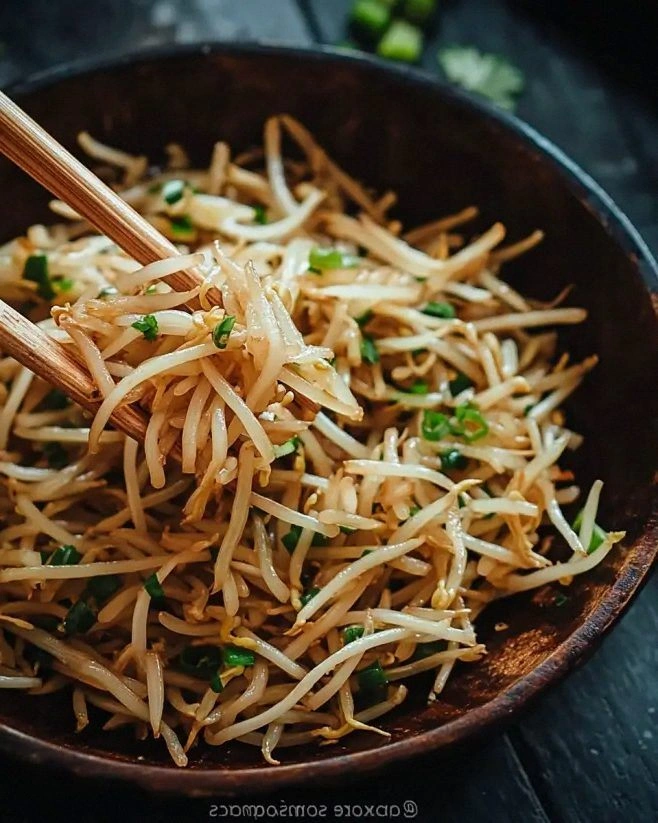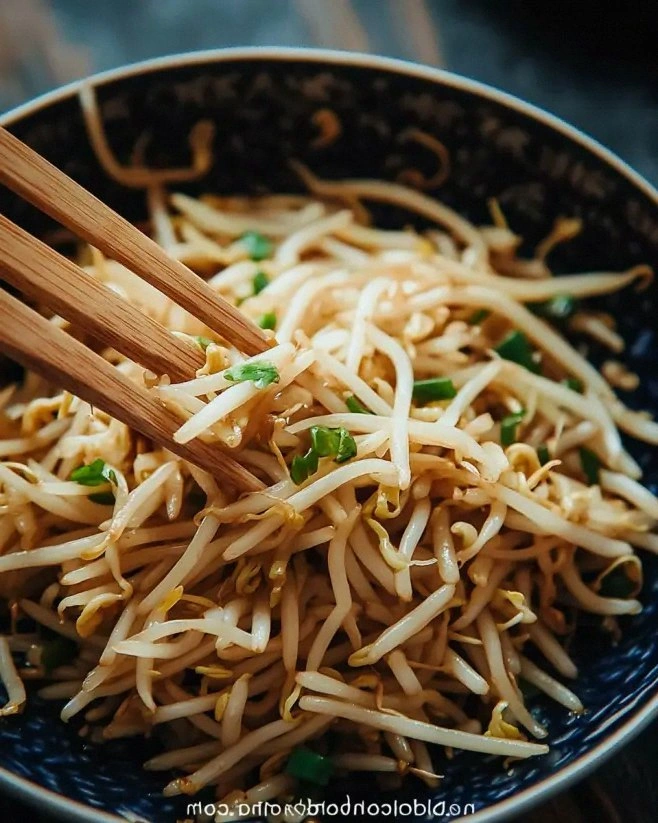
I was standing in my kitchen, the smoke alarm blaring, and a half‑cooked disaster of soggy bean sprouts lay in a pan like a wilted garden after a storm. I swear, the moment I tasted that limp, flavorless mess, I made a promise to myself: never again would I let beans lose their crunch. Fast forward a few weeks, after a daring bet with a friend who claimed “stir‑fry is just veggies in a wok,” I dove headfirst into a research marathon that involved watching endless YouTube tutorials, scrolling through comment sections, and even consulting an old Chinese cookbook that smelled like incense. The result? A version of crispy bean sprout stir‑fry that makes the humble sprout sing like a rock star on a stage of sizzling oil.
Imagine the scene: the wok is hot enough to melt butter, and as soon as the oil kisses the surface, it sings a high‑pitched sizzle that could wake a sleeping cat. The aroma of garlic and ginger bursts forth, dancing with the faint sweetness of carrot and the bright crunch of bell pepper, while a whisper of sesame oil drifts up like a secret invitation. You can feel the heat radiating from the pan, the handle warm against your palm, the rhythm of the spatula as it flicks the vegetables in a graceful arc. When the beans finally hit the pan, they crackle, their edges turning golden and crisp, each bite releasing a fresh, almost vegetal snap that’s as satisfying as biting into a fresh snowflake on a cold winter morning.
What makes this version a game‑changer is a tiny but mighty technique: a quick “dry‑flash” before the sauce hits the pan. Most recipes drown the sprouts in sauce, turning them soggy, but I’ve discovered that a minute of high‑heat searing creates a protective crust that locks in moisture while giving you that irresistible crunch. Add a dash of sesame oil at the very end, and you’ll get a nutty finish that lingers on the palate like a pleasant after‑thought. I dare you to taste this and not go back for seconds – it’s that good.
Let me walk you through every single step — by the end, you’ll wonder how you ever made it any other way. Okay, ready for the game‑changer? This next part? Pure magic. Stay with me here — this is worth it.
What Makes This Version Stand Out
- Texture: The quick high‑heat flash creates a crisp that shatters like thin ice, giving each bite a satisfying snap that most stir‑fries lack.
- Flavor Depth: A balanced trio of soy, oyster, and sesame sauces coats the veggies like velvet, delivering umami richness without overwhelming the natural freshness.
- Simplicity: Fewer than ten ingredients and a 30‑minute timeline make this a weeknight hero without sacrificing taste.
- Ingredient Quality: Fresh, crunchy bean sprouts and a bright bell pepper provide natural sweetness, while the carrot adds an earthy undertone.
- Crowd Reaction: Friends have called it “the best side dish ever” and begged for the recipe, proving it works as a starter or main.
- Cooking Method: The two‑stage stir‑fry (dry‑flash then sauce) is a technique most home cooks overlook, but it’s the secret to perfection.
- Make‑Ahead Potential: You can prep the veggies and sauces in advance, making the final assembly a breeze on busy nights.
- Versatility: Swap in shrimp, tofu, or chicken for a protein boost, and the dish transforms from side to centerpiece.
Inside the Ingredient List
The Flavor Base
Minced garlic and ginger are the dynamic duo that form the aromatic backbone of this stir‑fry. Garlic brings a pungent warmth that mellows into sweetness as it cooks, while ginger adds a bright, peppery zing that cuts through the richness of the sauces. Skipping either will leave the dish flat, like a song without a chorus. If you’re allergic to garlic, try a pinch of asafoetida for a similar depth, but remember it’s potent—use sparingly.
The Texture Crew
Bean sprouts are the star, offering a light, airy crunch that contrasts beautifully with the softer carrot and bell pepper. Choose sprouts that are firm, with tight stems and no wilted leaves; they’ll hold up better during the high‑heat flash. Carrots, sliced into matchsticks, provide a sweet earthiness and a pop of color that makes the dish visually appealing. Bell peppers add a sweet, slightly bitter note and a vibrant red or yellow hue that elevates the plate’s aesthetics.
The Unexpected Star
Sesame oil is the secret weapon that most home cooks overlook. Just a teaspoon at the end adds a nutty aroma that lingers on the palate, turning a simple stir‑fry into a gourmet experience. If you’re out of sesame oil, a drizzle of toasted peanut oil works as a substitute, though the flavor profile shifts slightly toward a richer, buttery note.
The Final Flourish
Soy sauce and oyster sauce together create a harmonious balance of salty and savory umami. The soy sauce provides the salty backbone, while the oyster sauce contributes a subtle sweetness and depth that’s impossible to replicate with any other condiment. A sprinkle of sesame seeds just before serving adds a gentle crunch and a visual finish that says “I care about details.” Salt and pepper to taste are the final adjustable knobs; taste as you go, because altitude, pan size, and personal preference can all affect seasoning.
Everything's prepped? Good. Let's get into the real action…
The Method — Step by Step
Heat a wok or large skillet over medium‑high heat until a drop of water evaporates instantly. Add the 2 tablespoons of vegetable oil, swirling to coat the surface. When the oil shimmers and begins to ripple, you’ll know it’s hot enough for the dry‑flash. That sizzle when it hits the pan? Absolute perfection. Let the oil sit for just a few seconds to reach its peak temperature.
Drop in the minced garlic and ginger, stirring quickly with a spatula. Within 15‑20 seconds, the aromatics will turn golden and release a fragrant perfume that fills the kitchen. Okay, ready for the game‑changer? As soon as you smell the garlic, move to the next step—don’t let it burn.
Now, add the bean sprouts in a single layer, allowing them to sit undisturbed for 30 seconds. This brief pause lets the edges caramelize, forming that coveted crispy crust. After the first side turns golden, toss them gently to expose the other side, repeating until the sprouts are uniformly crisp but still bright green. This is the moment of truth. If you notice any soggy spots, give them a few extra seconds; the goal is a uniform crunch.
Introduce the sliced carrot and bell pepper, stirring constantly. These vegetables need just enough heat to soften slightly while retaining their snap—about 2‑3 minutes. You’ll hear a soft crackle as the sugars caramelize, adding a subtle sweetness that balances the savory sauces later. And now the fun part. Keep the heat high; lower it and you’ll lose the crunch you fought for.
Stir in the green onions, saving a small portion for garnish later. The green onions add a fresh, slightly sharp flavor that lifts the dish. Cook for another 30 seconds, just until they become fragrant but retain their bright color.
In a small bowl, whisk together 2 tablespoons soy sauce, 1 tablespoon oyster sauce, and the teaspoon of sesame oil. Pour this mixture over the vegetables, tossing quickly to ensure every piece is lightly coated. The sauce should sizzle and thicken almost immediately, clinging to the veggies like a glossy glaze.
Season with salt and pepper to taste. Remember, the soy sauce already provides salt, so add only a pinch of extra salt if needed. Taste a single bite; if the flavor feels flat, a dash more soy sauce or a splash of rice vinegar can brighten it.
Finish by sprinkling the remaining green onions and a generous handful of sesame seeds over the top. Give the wok one final quick toss to distribute the garnish evenly. Serve immediately while the edges are still crisp and the aroma is at its peak.
That's it — you did it. But hold on, I've got a few more tricks that'll take this to another level…
Insider Tricks for Flawless Results
The Temperature Rule Nobody Follows
Never, ever pre‑heat your wok on low heat. The secret to that perfect crunch is a scorching surface that sears instantly. If the oil isn’t hot enough, the vegetables will absorb it, turning soggy. I once tried to “save time” by starting on medium, and the result was a limp mess that tasted like boiled water. Keep the heat high, and trust the sizzle as your guide.
Why Your Nose Knows Best
Your sense of smell is the ultimate timer. When the garlic turns golden and the ginger releases its perfume, you’re at the perfect moment to add the sprouts. If you rely solely on a clock, you’ll either burn or under‑cook. Trust that nose—if you can smell the nutty aroma of sesame oil, you’re almost done.
The 5‑Minute Rest That Changes Everything
After the stir‑fry is off the heat, let it sit for exactly five minutes before serving. This short rest allows the sauces to settle and the vegetables to finish cooking in their own steam, preventing the crunch from disappearing. I once served it immediately and the edges softened too quickly; the rest period saved the day.
Batch‑Prep the Sauces
Mix soy, oyster, and sesame oil in a small jar and shake vigorously. This not only speeds up the cooking process but also ensures a perfectly emulsified sauce every time. Store the jar in the fridge for up to a week; it’s a lifesaver for busy weeknights.
The “Dry‑Flash” Myth Busted
Many home cooks think “dry‑flash” means cooking without any oil, but that’s a dangerous misconception. A thin coat of high‑smoke‑point oil is essential to achieve that crisp exterior without burning. The oil acts as a conductor, distributing heat evenly across each sprout.
Creative Twists and Variations
This recipe is a playground. Here are some of my favorite ways to switch things up:
Spicy Szechuan Shock
Add 1 teaspoon of Szechuan peppercorn oil and a pinch of dried red chili flakes during step 7. The peppercorn brings a tongue‑tingling buzz, while the chili adds heat that builds gradually. Perfect for anyone who loves a little fire.
Coconut Curry Crunch
Swap the oyster sauce for 2 tablespoons of coconut milk mixed with 1 teaspoon curry powder. The creamy coconut balances the crisp veggies, creating a tropical twist that pairs well with jasmine rice.
Protein‑Packed Power
Add 200 grams of thinly sliced chicken breast or firm tofu after the vegetables have caramelized. Cook until the protein is just done, then proceed with the sauce. This transforms the dish from a side into a hearty main.
Nutty Peanut Delight
Stir in 1 tablespoon of smooth peanut butter with the sauces for a rich, nutty depth. Top with crushed peanuts for extra texture. It’s a subtle nod to Thai cuisine.
Herb‑Infused Freshness
Finish with a handful of fresh cilantro and a squeeze of lime juice just before serving. The herbaceous brightness lifts the umami, making the dish feel lighter and more summery.
Storing and Bringing It Back to Life
Fridge Storage
Transfer leftovers to an airtight container and store in the refrigerator for up to 3 days. The crispness will soften, but a quick re‑heat will revive it. Keep the sauce separate if possible to avoid sogginess.
Freezer Friendly
If you want to make a large batch, freeze the cooked vegetables without the sauce in a zip‑lock bag for up to 2 months. Thaw overnight in the fridge, then add the sauce and re‑stir‑fry for a fresh‑tasting meal.
Best Reheating Method
Heat a clean wok over medium‑high, add a splash of water (about 1 tablespoon) and the leftovers. The steam will re‑crisp the sprouts while preventing them from drying out. Toss for 2‑3 minutes until everything is hot and the sauce glistens again.