I was standing over a boiling pot of instant noodles, staring at the clock and wondering why my weeknight dinners always felt like a rushed sprint rather than a comforting marathon. Then my roommate shouted, “You’ve got to try making those sticky beef noodles you brag about!” I laughed, tossed a handful of garlic into the air, and thought, “Challenge accepted.” The kitchen erupted with the scent of sizzling sesame oil, a whisper of ginger, and the sweet promise of honey. That first sizzle was louder than a drumroll at a rock concert, and it told me this was going to be something special. I’m not exaggerating when I say that moment sparked the most addictive, cozy dish I’ve ever nailed.
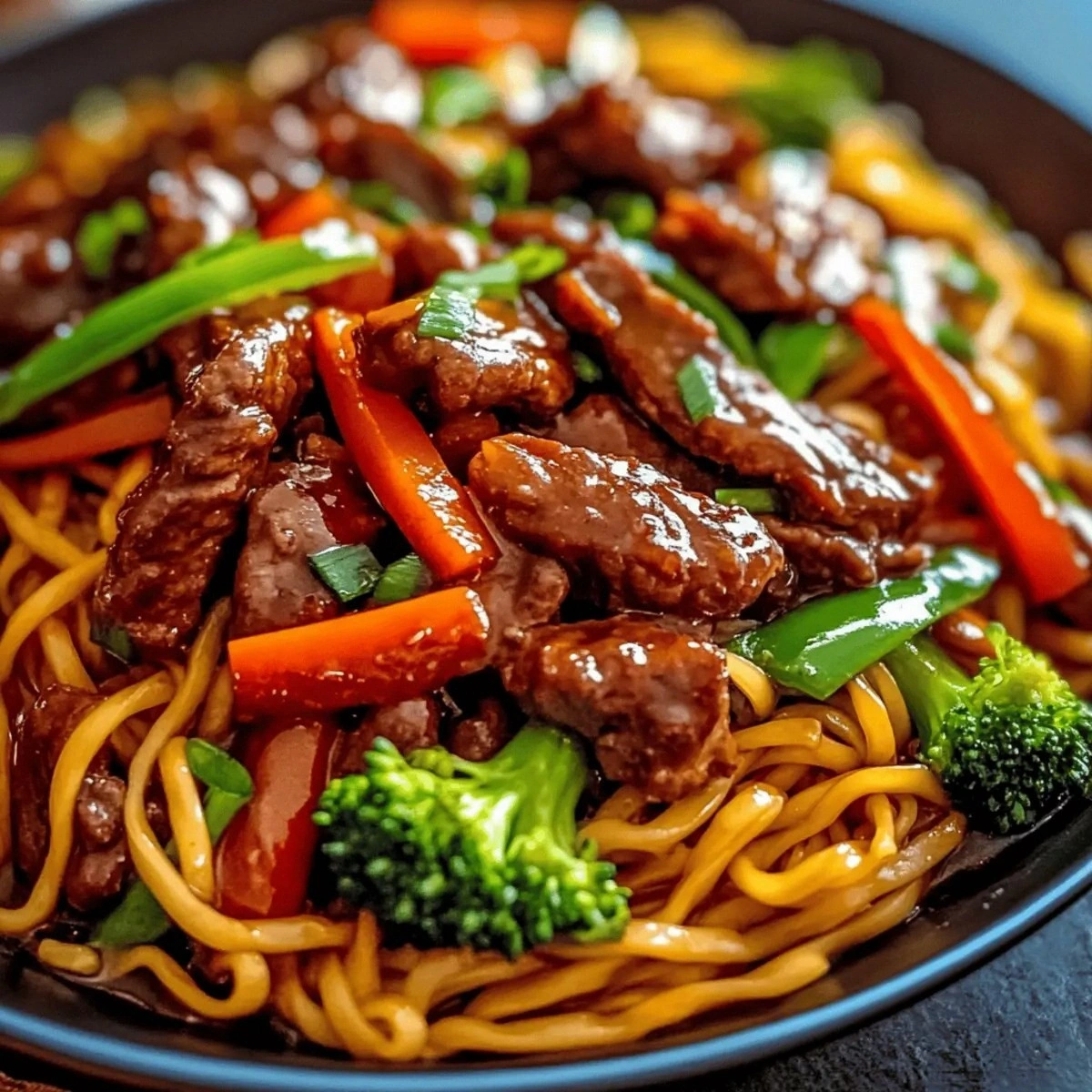
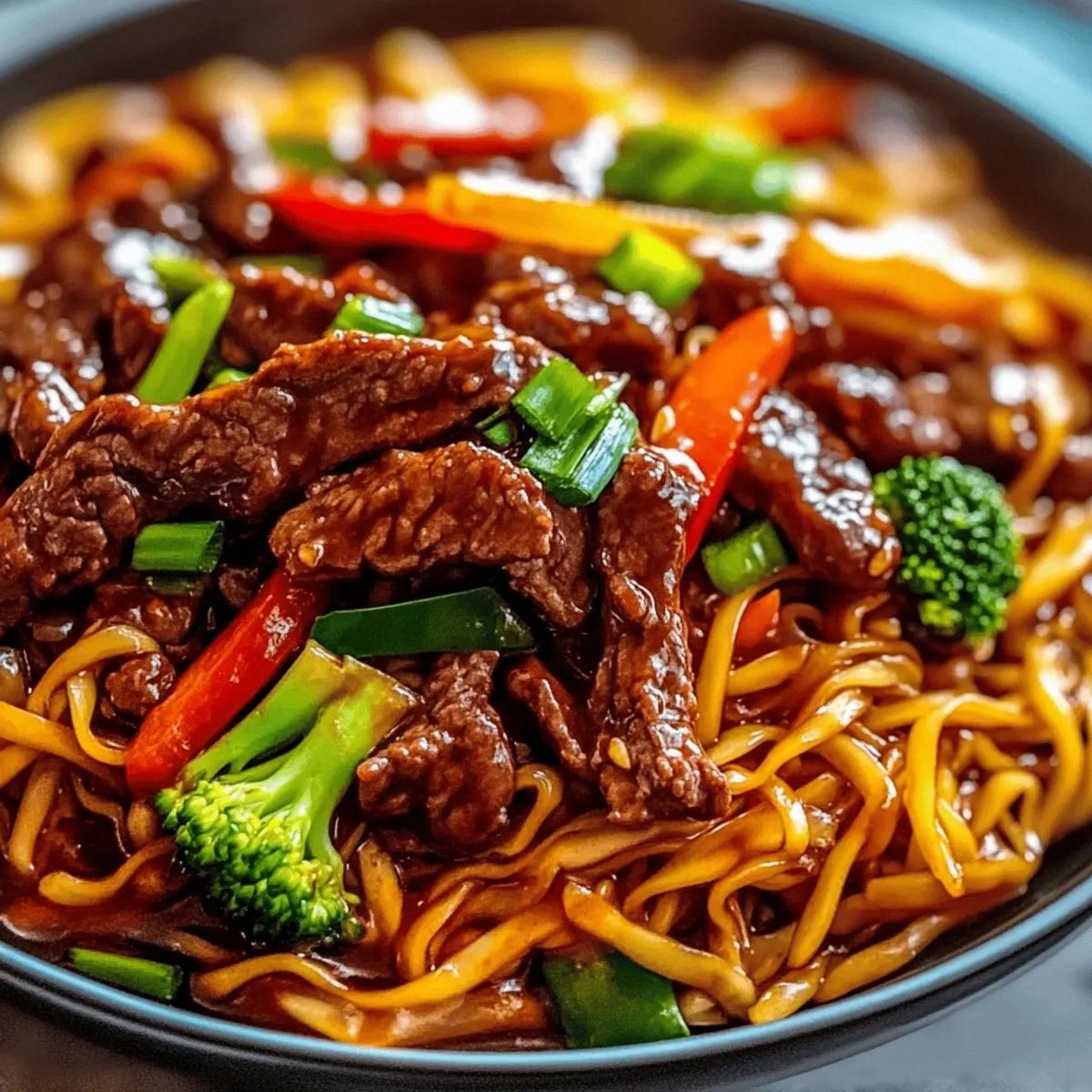
Picture this: the steam rising from the pan like a soft veil, the beef strips turning a deep, caramelized amber that glistens like polished mahogany, and the noodles soaking up a sauce that coats them like velvet. The bell peppers add a pop of color that rivals a sunrise, while the soy‑honey glaze clings to every strand, delivering a sweet‑savory punch that makes your taste buds do a happy dance. The whole dish sings in perfect harmony—each bite is a chorus of umami, a hint of heat, and a lingering sweetness that refuses to let go. If you’ve ever craved a meal that feels like a warm hug on a cold night, this is it.
Most recipes for beef noodle stir‑fries either drown the beef in a soggy sauce or leave the noodles limp and lifeless. I’ve tried the “quick fix” versions that promise dinner in ten minutes, only to end up with a plate that looks like a sad, wilted salad. This version, however, flips the script: we sear the beef first to lock in juices, we toast the garlic and ginger until they whisper aromatic secrets, and we finish with a glossy glaze that makes every noodle strand shine. The secret? A splash of sesame oil at the very end that adds a nutty depth you never knew you were missing.
I’ll be honest — I ate half the batch before anyone else got a chance to try it, and I’m not sorry. I dare you to taste this and not go back for seconds. The magic lies in a simple technique: a high‑heat sear followed by a quick deglaze that captures all those caramelized bits. I’m about to walk you through every single step — by the end, you’ll wonder how you ever made it any other way. Okay, ready for the game‑changer?
What Makes This Version Stand Out
- Flavor Explosion: The soy‑honey glaze creates a sticky coating that clings to the noodles like a second skin, delivering a burst of sweet‑savory in every bite.
- Texture Symphony: Sear‑seared beef gives you a caramelized crust, while the noodles stay al dente, providing a satisfying chew that never turns mushy.
- Simplicity: With just nine pantry staples, you can throw together a restaurant‑quality dish in under 45 minutes—no fancy gadgets required.
- Unique Twist: A final drizzle of sesame oil adds a nutty aroma that most recipes overlook, turning a good dish into a great one.
- Crowd‑Pleaser: Even the pickiest eaters love the glossy finish and the bright bell‑pepper crunch; it’s a guaranteed hit at family tables.
- Ingredient Quality: Using thinly sliced beef strips ensures quick cooking and maximum flavor absorption without becoming tough.
- Cooking Method: High‑heat searing locks in juices, while a quick deglaze captures every browned fragment for maximum depth.
- Make‑Ahead Potential: Prep the sauce and veggies in advance; the final assembly takes just minutes, perfect for busy weeknights.
Inside the Ingredient List
The Flavor Base
The backbone of this dish is the soy sauce and honey combo. Soy sauce brings that deep umami, a salty depth that anchors the entire flavor profile, while honey adds a subtle sweetness that balances the salt and makes the glaze sticky. If you skip the honey, you’ll lose that glossy sheen and the dish will feel flat—trust me, you’ll notice the difference. Want a gluten‑free version? Swap regular soy sauce for tamari; the flavor stays rich, and you avoid any wheat concerns.
The Aromatic Duo
Garlic and ginger are the dynamic duo that turn a simple stir‑fry into a fragrant masterpiece. Fresh garlic, minced finely, releases sulfur compounds that give that unmistakable “kick” you love. Ginger adds a warm, peppery zing that cuts through the richness of the beef. If you’re feeling adventurous, try adding a pinch of ground coriander for an extra layer of citrusy spice. Skipping either will leave the dish tasting like plain boiled noodles—no one wants that.
The Texture Crew
Bell peppers contribute a crisp, sweet crunch that contrasts beautifully with the tender beef and silky noodles. Use a mix of red, yellow, and orange for a visual pop that makes the plate look restaurant‑ready. The noodles themselves should be boiled just until al dente; overcooking turns them mushy, ruining that coveted “sticky” coat. If you’re out of the exact noodle type, try spaghetti or linguine—they’ll absorb the sauce just as well.
The Final Flourish
Sesame oil and cooking oil are the finishing touches. Cooking oil (like canola or peanut) handles the high heat needed for searing without burning, while a splash of sesame oil at the end adds a nutty aroma that lingers in the kitchen. This final drizzle is the secret that most recipes miss, and it’s what makes my version “hands down the best version you’ll ever make at home.” If you’re allergic to sesame, a drizzle of toasted walnut oil can mimic the nutty note.
Everything's prepped? Good. Let’s get into the real action…
The Method — Step by Step
Start by gathering all your ingredients and setting up a “mise en place” station. Slice the beef into thin strips—think match‑stick size—so it cooks in a flash. Mince the garlic, grate the ginger, and cut the bell peppers into bite‑size strips. This prep stage is crucial because the cooking moves quickly, and you’ll need everything at hand. That sizzle when the oil hits the pan? Absolute perfection.
Heat a large wok or deep skillet over high heat and add the cooking oil. Once the oil shimmers (you’ll see a thin, dancing ripple), toss in the beef strips. Let them sear without stirring for about 45 seconds; you’ll hear a satisfying crack as the surface caramelizes. After the initial sear, give the beef a quick toss to brown the other side. Watch Out: Overcrowding the pan drops the temperature, causing the beef to steam instead of sear.
Remove the beef and set it aside on a plate. In the same pan, add a splash more oil if needed, then drop in the minced garlic and grated ginger. Stir‑fry for 30 seconds, letting the aromatics perfume the oil—your kitchen will smell like a street market in Bangkok. When the garlic turns a light golden, it’s time to move on.
Kitchen Hack: Keep the garlic and ginger in a small zip‑top bag; you can snap them apart quickly and avoid extra chopping time.Now, add the bell pepper strips. Stir‑fry for 2‑3 minutes until they’re just tender but still retain a crunch. This maintains a textural contrast that keeps the dish from becoming a soggy mess. If you like a little char, let the peppers sit untouched for a few seconds before stirring—they’ll develop tiny, caramelized edges that shatter like thin ice.
While the peppers are cooking, whisk together the soy sauce, honey, and a splash of water (about two tablespoons) in a small bowl. This creates a glossy, slightly thickened sauce that will cling to everything. Pour the mixture into the pan, scraping up any browned bits stuck to the bottom—those are flavor gold. Let the sauce bubble for a minute, allowing it to thicken slightly and coat the vegetables.
Return the seared beef to the pan, tossing it gently to combine with the sauce and veggies. At this point, the beef should be reheated just enough to stay juicy without overcooking. Add the cooked noodles, which you should have boiled al dente and drained a minute ago. Toss everything together, ensuring each noodle strand is slick with the sticky glaze. The sauce should cling like a second skin—if it looks too watery, let it reduce a bit longer.
Finish with a drizzle of sesame oil and give the dish one final toss. The sesame oil doesn’t need cooking; it’s a flavor‑finisher that adds a warm, nutty aroma. Taste and adjust seasoning—maybe a pinch more soy sauce or a dash of pepper if you like a little heat. Serve immediately, because the noodles are at their best when hot and glossy.
Plate the sticky beef noodles in a wide bowl, garnish with a sprinkle of toasted sesame seeds or a few chopped green onions if you have them. The final look should be a vibrant mix of deep amber beef, glossy noodles, and bright bell‑pepper ribbons. Take a moment to admire the sheen—this is the part where you feel a surge of pride. And now the fun part: dig in and watch everyone disappear back for seconds.
That’s it — you did it. But hold on, I’ve got a few more tricks that'll take this to another level…
Insider Tricks for Flawless Results
The Temperature Rule Nobody Follows
Never cook the beef over medium heat; you’ll lose the coveted caramelized crust. High heat creates that rapid Maillard reaction, sealing juices inside. If your stovetop runs cool, preheat the pan for an extra minute—trust me, the extra patience pays off. A friend once tried to “save time” by using medium heat and ended up with a soggy, flavor‑less mess. The lesson? Heat is your best friend.
Why Your Nose Knows Best
When the garlic turns a light golden, that’s your cue to add the peppers. Your nose can detect the subtle shift from raw to toasted before your eyes can see it. If you ignore that aromatic signal, you’ll either burn the garlic or under‑cook the veggies. I’ve learned to trust that nose‑instinct; it’s like a built‑in timer that never fails.
The 5‑Minute Rest That Changes Everything
After you finish cooking, let the dish sit off the heat for five minutes. This rest allows the sauce to settle and the flavors to meld, much like letting a stew rest. The noodles will absorb a little more glaze, making each bite even more cohesive. Skipping this step can leave the sauce tasting a bit disjointed, as if the components haven’t fully introduced themselves.
Sauce Thickness Shortcut
If your sauce isn’t thick enough, mix a teaspoon of cornstarch with cold water and whisk it in. Let it simmer for another minute; you’ll see it instantly transform into a glossy, clingy coating. This trick is a lifesaver when you accidentally used a low‑sodium soy sauce that’s thinner than expected.
The Sesame Oil Finale
Add sesame oil at the very end, off the heat. The oil’s volatile compounds evaporate quickly, and if you heat them, you lose that fragrant punch. A quick drizzle right before serving gives the dish an aromatic lift that feels like a culinary mic drop.
Creative Twists and Variations
This recipe is a playground. Here are some of my favorite ways to switch things up:
Spicy Szechuan Style
Add a tablespoon of doubanjiang (Szechuan bean paste) and a pinch of crushed red pepper flakes to the sauce. The result is a tongue‑tingling heat that pairs beautifully with the sweet honey. Perfect for anyone who loves a little fire.
Vegetarian Delight
Swap the beef for firm tofu cubes or tempeh strips. Press the tofu beforehand to remove excess water, then follow the same searing steps. The sauce adheres just as well, and you get a protein‑packed, plant‑based version that even meat‑eaters adore.
Citrus‑Infused
Stir in the zest of one orange and a splash of its juice right before serving. The citrus brightens the glaze, adding a fresh, tangy contrast to the sweet‑savory base. It’s a summer‑ready twist that feels light yet satisfying.
Peanut Butter Crunch
Whisk in a tablespoon of smooth peanut butter into the sauce for a creamy, nutty depth. Top with crushed peanuts for an added crunch. This variation gives the dish a Thai‑inspired vibe that’s unexpectedly addictive.
Mushroom Medley
Add sliced shiitake or cremini mushrooms after the garlic and ginger. Their earthy flavor complements the beef and adds an extra layer of umami. The mushrooms also soak up the glaze, turning each bite into a juicy pocket of flavor.
Herb‑Fresh Finish
Stir in a handful of fresh cilantro or Thai basil just before serving. The herbaceous notes lift the dish, providing a bright finish that balances the richness. It’s a quick way to make the dish feel restaurant‑fresh.
Storing and Bringing It Back to Life
Fridge Storage
Allow the noodles and beef to cool to room temperature, then transfer them to an airtight container. They’ll keep beautifully for up to three days. When reheating, add a splash of water or broth and stir‑fry over medium heat; the moisture revives the sauce’s stickiness.
Freezer Friendly
Portion the cooked dish into freezer‑safe bags, removing as much air as possible. Freeze for up to two months. To reheat, thaw overnight in the fridge, then stir‑fry with a drizzle of sesame oil and a splash of soy sauce to refresh the flavors.
Best Reheating Method
The stovetop wins every time. Heat a splash of oil in a pan, add the frozen or refrigerated noodles, and toss over medium‑high heat. Add a teaspoon of water or broth to create steam; this prevents drying out and brings the glaze back to its original sheen. Avoid microwaving alone—it makes the noodles rubbery.