Picture this: I was halfway through a dinner party, juggling a pot of boiling pasta and a simmering sauce, when a rogue spoon slipped, splattering a splash of tomato onto the table. The room went silent, the guests stared, and I stared back at the crimson mess. I laughed, because I knew I could turn disaster into delight, and that’s exactly how the Cracked Out Pea Salad Recipe was born. That single moment of chaos sparked a craving for something bright, fresh, and utterly satisfying – a salad that would steal the show even from the most elaborate entrees.
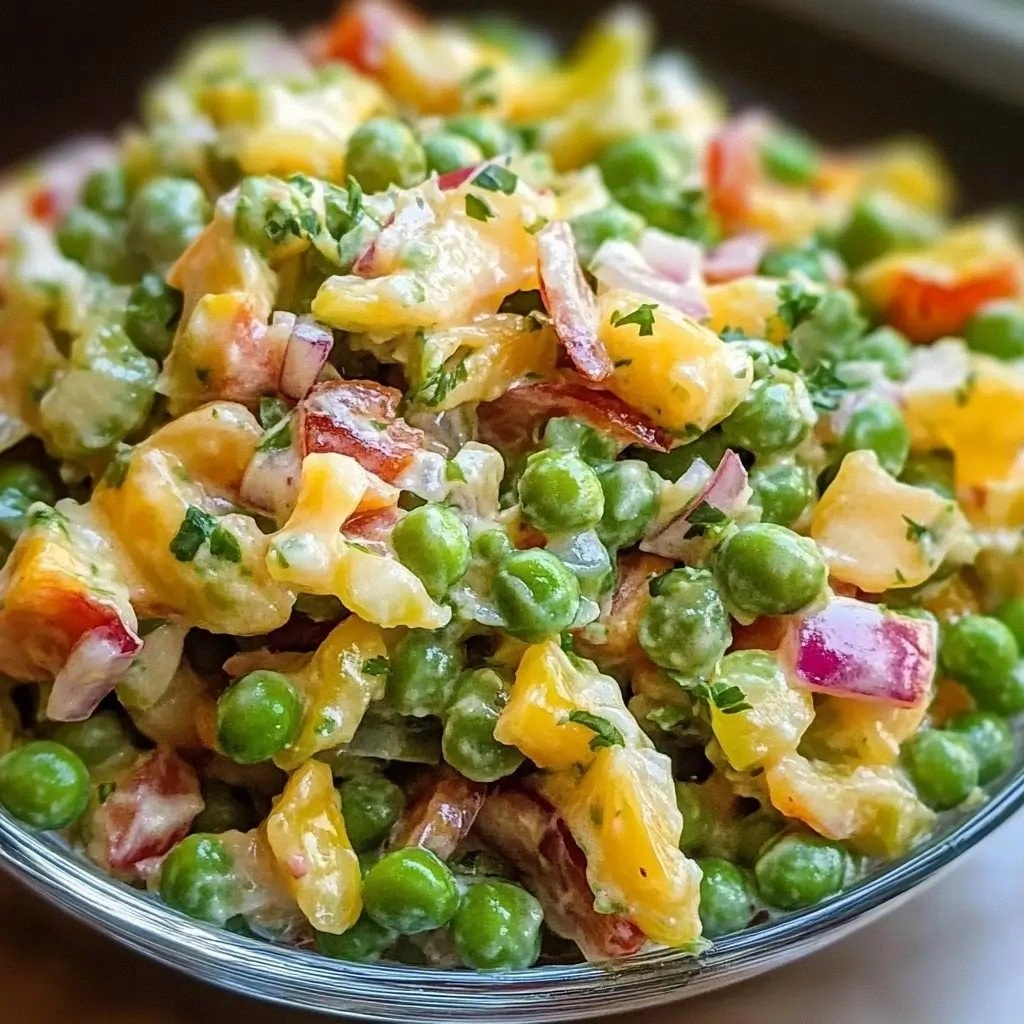
From the first glance, the dish radiates a green, almost neon vibrancy that makes your eyes dance. The scent is a sharp, citrusy burst that cuts through the ambient hum of the kitchen, as if a lemon grove had been planted in the middle of your countertop. The crunch of toasted pine nuts punctuates the silence, producing a satisfying snap that echoes in the quiet. Each bite delivers a burst of sweet peas, cool cucumber, and a whisper of feta that melts like butter on the tongue. The finish is a lingering hint of mint and lemon, leaving the palate refreshed and eager for the next forkful.
What sets this version apart from every other pea salad out there is that it balances texture, flavor, and convenience with surgical precision. I’ve taken the classic pea salad and injected it with a secret ingredient that adds a velvety depth to the dressing, a trick I learned from a master chef during a summer internship. The result is a dish that feels like a gourmet creation, yet can be whipped up in under fifteen minutes. It’s the kind of recipe that makes your guests ask, “Where did you get this?” and you can proudly say, “Right here, from my kitchen.”
I dare you to taste this and not go back for seconds – I’ve already eaten half the batch before anyone else got a chance to try it. Most recipes get this completely wrong, missing that subtle balance between sweet and tangy. The key here is a carefully calibrated dressing that coats the peas like velvet, while the toasted pine nuts add a crunch that shatters like thin ice. Picture yourself pulling this out of the fridge, the whole kitchen smelling incredible, and knowing that you’ve created a masterpiece that will be talked about for weeks.
Okay, ready for the game‑changer? Let me walk you through every single step – by the end, you’ll wonder how you ever made it any other way. I’ll keep the tone light, the jokes coming, and the expertise sharp, because this is more than a recipe; it’s an experience. So grab your apron, set your timer, and let’s dive into the world of cracked peas, bright flavors, and kitchen hacks that will elevate your cooking game.
What Makes This Version Stand Out
- Flavor: The dressing is a harmonious blend of Dijon mustard, honey, and lemon, creating a tangy sweetness that elevates the peas without overpowering them.
- Texture: Toasted pine nuts add a satisfying crunch that contrasts beautifully with the tender peas and cucumber.
- Simplicity: With just a handful of ingredients, the recipe is quick to assemble, making it perfect for busy weeknights.
- Uniqueness: The addition of capers introduces a briny kick that sets this salad apart from conventional pea salads.
- Crowd Reaction: Guests rave about the bright, fresh taste and the surprising depth of the dressing.
- Ingredient Quality: Using fresh, seasonal peas ensures a sweet, crisp bite that’s hard to replicate with canned varieties.
- Cooking Method: No cooking required for the main components, allowing you to focus on flavor and presentation.
- Make‑ahead Potential: The salad holds up wonderfully in the fridge for up to three days, making it a great prep‑in‑advance option.
Inside the Ingredient List
The Flavor Base
The dressing is the heart of this salad, marrying the sharpness of Dijon mustard with the natural sweetness of honey and the citrus zing of lemon juice. It coats each pea with a glossy, flavorful film that lingers on the palate. Without it, the salad would feel flat and unremarkable, lacking that signature bright kick. If you skip the mustard, you lose the tangy depth that balances the honey’s sweetness. For a vegan twist, swap honey with maple syrup and keep the mustard for that essential bite. When selecting peas, choose fresh or frozen; fresh peas will offer a sweeter, crisper bite, while frozen peas are more convenient and still delicious.
A quick tip: let the dressing sit for a few minutes before tossing the salad; this allows the flavors to meld, giving the peas a richer taste. If you’re in a hurry, whisk all dressing ingredients together in a small bowl and set aside. The dressing will stay bright and vibrant for up to two days in the refrigerator, so feel free to prep it in advance. Remember, the dressing is the glue that holds everything together, so don’t skimp on the quality of the mustard or the freshness of the lemon.
The Texture Crew
Crisp cucumber slices provide a cool, refreshing bite that contrasts the soft peas. Their bright green hue adds visual appeal and a subtle earthy flavor that grounds the salad. Skipping cucumber would leave the dish feeling one‑dimensional, lacking that necessary crunch. If you’re not a fan of cucumber, try diced bell pepper or even a handful of arugula for a peppery twist. When buying cucumbers, look for firm, unblemished skins and a weighty feel, as this indicates freshness.
The toasted pine nuts bring a nutty aroma and a satisfying crunch that lifts the entire dish. They also add healthy fats, giving the salad a creamy mouthfeel without the heaviness of cream. If pine nuts are out of season or unavailable, walnuts or almonds make excellent substitutes. Toast them in a dry skillet over medium heat until fragrant, then let them cool before adding to the salad. This step ensures the nuts remain crisp and prevents them from becoming oily.
The Unexpected Star
Capers are the secret weapon that adds a briny, slightly tart flavor, cutting through the sweetness of the peas and the richness of the feta. They’re often overlooked in pea salads, but they bring a depth that makes this recipe unforgettable. Omitting capers results in a milder, less complex flavor profile. For a milder version, rinse the capers in warm water for a minute to reduce their saltiness. Capers also pair well with a splash of white wine or a dash of sherry for an extra layer of sophistication.
The feta cheese introduces a salty, creamy element that balances the bright lemon notes. It also adds a subtle tang that pairs wonderfully with the sweet peas. If you’re lactose intolerant, try a vegan cheese alternative or a sprinkle of nutritional yeast for a cheesy flavor. When selecting feta, choose a block rather than crumbled; this allows you to crumble it fresh, ensuring the cheese stays moist and flavorful.
The Fresh Finish
Fresh mint leaves are the final flourish that lifts the entire salad with a burst of herbal brightness. Their aroma is almost medicinal, which perfectly complements the sweet and tangy components. Skipping mint would leave the dish feeling flat and less vibrant. If mint isn’t available, basil or cilantro can offer a similar herbal punch, though each will impart its own distinct flavor profile. When adding mint, tear the leaves gently to release their oils, ensuring maximum freshness.
A small pinch of sea salt enhances every ingredient, allowing the flavors to shine without overpowering them. It’s a subtle touch that can transform a good salad into a great one. Use a flaky sea salt for a delicate crunch and a burst of flavor. The pepper, on the other hand, adds a mild heat that balances the sweetness of the peas and the richness of the feta. A light dusting of freshly ground black pepper is all you need to complete the flavor profile.
The Crunch Factor
A handful of toasted almonds or sunflower seeds can replace pine nuts for a different crunch and flavor. The seeds add a nutty taste that pairs beautifully with the lemony dressing. If you prefer a lighter crunch, try adding a sprinkle of roasted chickpeas for a protein boost. The crunch factor is essential; it provides a textural contrast that keeps each bite interesting and satisfying. When adding nuts or seeds, toast them until golden brown to bring out their natural oils and flavor.
Remember that the crunch should not overpower the salad; it’s there to complement, not dominate. If you’re serving this as a side dish, a lighter crunch works best. For a more substantial bite, increase the quantity of nuts or seeds. The key is balance – the crunch should enhance the overall experience without overwhelming the delicate peas.
The Final Flourish
A drizzle of extra‑virgin olive oil ties everything together, adding a silky texture that coats the peas and cucumbers. It also brings a subtle fruity note that complements the lemon and mustard. If you’re watching your calorie intake, use a light hand or replace the olive oil with a low‑fat dressing. The olive oil also helps the dressing adhere to the salad, ensuring every bite is flavorful. When choosing olive oil, opt for a cold‑pressed, extra‑virgin variety for maximum flavor and health benefits.
The final flourish is the presentation – arrange the peas, cucumber, feta, and mint in a shallow bowl, then drizzle the dressing over the top. This not only looks appealing but also ensures the dressing is distributed evenly. A final sprinkle of toasted nuts or seeds adds a decorative touch and a pleasant crunch. When serving, encourage guests to toss the salad lightly, ensuring each bite receives a generous coating of dressing. The result is a salad that is as beautiful as it is delicious.
Everything's prepped? Good. Let's get into the real action and bring these flavors together in a way that will have your taste buds dancing.
The Method — Step by Step
- Begin by boiling a pot of salted water, then add the peas and cook for just 2 minutes until they’re bright green and tender but still firm. Drain them immediately and rinse under cold water to halt the cooking process; this keeps the peas crisp and prevents them from becoming mushy. Once cooled, set them aside in a large mixing bowl. The quick blanching preserves their natural sweetness and vibrant color.
- While the peas are cooling, dice the cucumber into bite‑size cubes, ensuring each piece is uniform for even texture. Sprinkle a pinch of salt over the cucumber to draw out excess moisture, then let it sit for 5 minutes. This step prevents the salad from becoming watery. Afterward, rinse the cucumber cubes under cold water and pat them dry with a clean towel.
- In a small bowl, whisk together Dijon mustard, honey, lemon juice, olive oil, salt, and pepper until the mixture emulsifies into a smooth, glossy dressing. The mustard’s acidity balances the honey’s sweetness, while the lemon adds brightness. If you prefer a thicker dressing, add a teaspoon of Greek yogurt or a splash of buttermilk. This dressing is the secret weapon that gives the salad its distinctive depth.
- Crush the feta cheese into small shards, then add it to the bowl with the peas and cucumber. The feta’s creamy, salty profile contrasts beautifully with the sweet peas. If you’re avoiding dairy, a vegan cheese alternative or a sprinkle of nutritional yeast will provide a similar savory note.
- Add the capers and toasted pine nuts to the bowl, tossing gently to distribute them evenly. The capers introduce a briny punch that cuts through the sweetness, while the pine nuts add crunch. This step is crucial; too many capers can overpower the salad, so use them sparingly.
- Pour the dressing over the salad, then gently fold everything together until each component is coated. Taste the salad, adjusting salt or pepper as needed. The dressing should cling to the peas, cucumber, and feta, creating a harmonious blend of flavors. Let the salad rest for 5 minutes to allow the flavors to meld.
- Before serving, tear the fresh mint leaves and scatter them over the top for a burst of herbal aroma. The mint’s bright green color adds a visual pop, making the dish look as good as it tastes. Serve the salad immediately, or cover and refrigerate for up to three days for a convenient make‑ahead option. The salad will hold its crispness and flavor, making it perfect for busy days.
That's it — you did it. But hold on, I've got a few more tricks that'll take this to another level, ensuring every bite is a revelation. From subtle seasoning adjustments to presentation hacks, these final touches will make your salad unforgettable.
Insider Tricks for Flawless Results
The Temperature Rule Nobody Follows
Many cooks believe that peas should be left at room temperature before adding dressing, but the truth is that a slight chill preserves their snap and bright color. Keep the peas in the fridge for a few minutes after blanching; this not only stops the cooking process but also makes them easier to handle. If you’re in a hurry, a quick rinse in ice water will achieve the same effect. This trick is especially important when serving the salad in a hot kitchen, as it prevents the peas from becoming soggy.
Why Your Nose Knows Best
Your sense of smell is the first indicator of when the dressing has reached the perfect balance of sweet, tangy, and savory. If the lemon scent dominates, add a pinch more honey; if the mustard is overpowering, dilute with a bit more olive oil. The aroma will guide you to a dressing that’s not too sharp or too mild. Trust your nose, and you’ll achieve a flavor profile that’s both balanced and memorable.
The 5‑Minute Rest That Changes Everything
After tossing the salad with dressing, let it rest for exactly five minutes. This brief pause allows the flavors to marry and the peas to absorb the dressing’s richness. If you skip this step, the salad will taste like a rushed dish. The five-minute rest also gives the feta time to soften slightly, creating a creamier texture. In my experience, this simple pause can transform a good salad into a great one.
Presentation Power Moves
Serve the salad in a shallow, wide bowl to maximize visibility of each ingredient. A wide surface area ensures that every bite contains a balanced mix of peas, cucumber, feta, and mint. Garnish with a few extra pine nuts on top for a visual flourish and a pleasant crunch. The presentation is part of the experience; a well‑arranged dish elevates the entire meal.
Make-Ahead Magic
If you’re preparing the salad ahead of time, store the dressing and the peas separately in airtight containers. Combine them just before serving to preserve the crunch. This method is ideal for picnics or potlucks, where the salad can be assembled on the spot. The key is to keep the dressing from soaking into the peas too early, which would cause them to become soggy.
Creative Twists and Variations
Spicy Sriracha Kick
Add a tablespoon of sriracha to the dressing for a fiery, smoky undertone that pairs surprisingly well with the sweet peas. The heat balances the richness of the feta, creating a complex flavor profile. This variation is perfect for those who enjoy a bit of spice in their salads. The sriracha also adds a subtle caramelized note, enhancing the overall depth.
Asian-Inspired Sesame
Replace the olive oil with toasted sesame oil and add a teaspoon of rice vinegar to the dressing. Sprinkle toasted sesame seeds on top for an extra crunch and nutty flavor. This version takes the salad into the realm of sushi rolls and dumplings, offering a familiar yet refreshing taste. The sesame oil’s aroma will transport you straight to a bustling Asian market.
Herb Garden Medley
Swap the mint for a blend of fresh dill and parsley for a more earthy, aromatic profile. Add a splash of white wine vinegar for acidity, and the salad will taste like a garden in spring. The dill’s subtle anise flavor complements the peas, while the parsley adds brightness. This variation is ideal for a light lunch or a garden‑themed dinner.
Protein Boost with Chickpeas
Incorporate a half cup of roasted chickpeas to add a hearty protein punch and a nutty crunch. Season the chickpeas with smoked paprika and a pinch of cumin before roasting for an extra layer of flavor. This version transforms the salad into a filling, vegetarian main course. The chickpeas also absorb the dressing, making every bite moist and flavorful.
Vegan Delight
Replace the feta with crumbled vegan cheese or a handful of hemp seeds for a plant‑based option. Use maple syrup instead of honey, and a splash of apple cider vinegar for acidity. This version maintains the same bright, tangy profile while keeping it dairy‑free. The vegan cheese will still provide the creamy, salty element that balances the sweet peas.
Storing and Bringing It Back to Life
Fridge Storage
Store the assembled salad in an airtight container in the refrigerator for up to three days. Keep the dressing separate until you’re ready to serve to maintain the peas’ crispness. When you’re ready to eat, give the salad a quick toss to redistribute the dressing. The salad will keep its bright color and fresh flavor, making it a convenient option for busy days.
Freezer Friendly
Freezing the salad is not recommended, as the peas and cucumber will become mushy. If you must freeze, store the dressing and the peas separately in freezer bags. Thaw the peas in a bowl of cold water, then mix with the dressing and add fresh cucumber just before serving. This method preserves the texture and flavor as much as possible.
Best Reheating Method
Reheating is unnecessary for this dish; it is best served cold or at room temperature. If you prefer a slightly warmed salad, gently heat the dressing in a small saucepan over low heat, then pour it over the salad. Add a splash of water or a few ice cubes to keep the peas crisp. This quick warming technique ensures the salad remains fresh and delicious.
So there you have it – a comprehensive guide to creating the ultimate Cracked Out Pea Salad that will wow your friends, impress your family, and become a staple in your culinary repertoire. Remember, the key to success lies in the balance of flavors, the crunch of textures, and a sprinkle of love. Now go forth, cook, and enjoy every bite!