I remember that night like it was yesterday—my kitchen was a battlefield, a pot of overcooked pasta had turned into a sticky, unrecognizable mess, and the air was thick with the scent of burnt garlic. I stared at the charred remnants, feeling a mix of frustration and curiosity. That moment sparked a daring challenge: “What if I could turn a humble head of cabbage into something that feels like a gourmet appetizer?” I dared myself to find a recipe that would not only save the night but also become a staple for future gatherings.
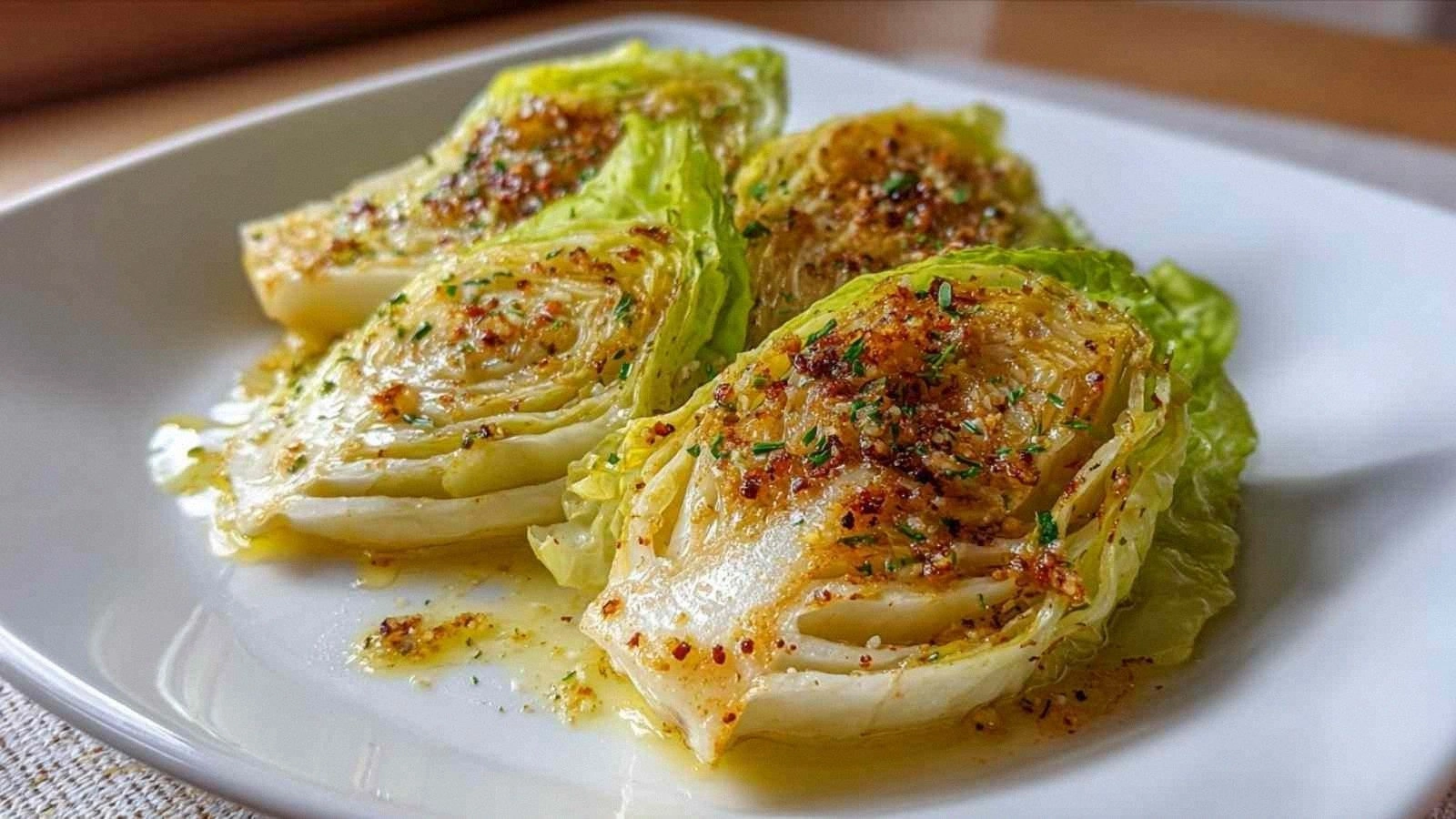
The first time I sliced the cabbage into wedges, I was met with a crisp, green silhouette that seemed almost too pristine to be edible. As I drizzled olive oil over the wedges, the glossy sheen reflected the kitchen lights like polished glass. The aroma that rose was a gentle, earthy perfume, mingling with the sharp, peppery notes of paprika and garlic powder. When the wedges hit the air fryer, the sizzling sound was almost musical—like a crisp, savory crackle that promised transformation. My taste buds tingled with anticipation, ready for the moment when the edges would turn golden and the interior would soften to a tender, buttery texture.
What makes this version of cabbage wedges stand out is a combination of simplicity, bold flavor, and an unexpected crunch that rivals any deep‑fried snack. I’ve experimented with countless cabbage recipes—roasted, braised, sautéed—and none have delivered the same harmony of crispness and depth. The secret lies in the precise balance of olive oil, paprika, and garlic powder, which together coat each wedge like velvet while allowing the natural sweetness of cabbage to shine through. I dare you to taste this and not go back for seconds; the first bite is a revelation, the second a confirmation, and the third—well, that’s where the real magic begins.
If you’ve ever struggled to find a quick, healthy side that satisfies both the palate and the soul, you’re not alone. Picture yourself pulling these wedges out of the air fryer, the whole kitchen smelling incredible, and guests reaching for the next bite before you’ve even plated them. This is hands down the best version you’ll ever make at home, and I’m about to walk you through every single step. By the end, you’ll wonder how you ever made it any other way.
What Makes This Version Stand Out
- Flavor: The paprika and garlic powder create a smoky, savory base that elevates the cabbage’s natural sweetness. The olive oil locks in moisture, preventing dryness.
- Texture: The air fryer’s rapid circulation delivers a crisp exterior while keeping the interior tender, a contrast that bites delightfully.
- Time: From prep to finish, this dish takes less than 30 minutes, making it perfect for busy weeknights.
- Health: With only olive oil and minimal salt, the wedges pack vitamins C and K, fiber, and heart‑healthy fats.
- Versatility: They pair beautifully with dips, salads, or as a standalone snack for parties.
- Make‑ahead: Once cooked, the wedges keep well in the fridge for up to three days, ready to reheat in minutes.
- Presentation: Their vibrant green color and golden edges make for an Instagram‑worthy side that impresses without effort.
Alright, let’s break down exactly what goes into this masterpiece…
Inside the Ingredient List
The Flavor Base
Olive oil is the star that binds the seasoning and delivers that coveted golden crust. Use a light or extra‑virgin variety for a subtle fruity undertone that complements the paprika. If you’re watching calories, swap for avocado oil or a spray bottle for a lighter version.
The Texture Crew
A head of cabbage is the foundation of this dish; choose one that feels firm and has crisp, unblemished leaves. The cabbage’s natural sugars caramelize during air‑frying, creating a sweet counterpoint to the smoky paprika. If you prefer a milder flavor, use green cabbage instead of red, which has a slightly sweeter profile.
The Unexpected Star
Garlic powder adds depth without the mess of fresh garlic. It’s an excellent alternative for those who dislike the bite of raw garlic or want a more uniform distribution. If you’re adventurous, try smoked paprika for an extra layer of complexity.
The Final Flourish
A pinch of salt and pepper rounds out the flavor profile. They’re essential for bringing the seasoning to life, but keep them minimal to avoid overpowering the cabbage’s natural taste. If you’re on a low‑sodium diet, consider a salt substitute or reduce the amount to half.
Everything’s prepped? Good. Let’s get into the real action…
The Method — Step by Step
- Begin by washing the cabbage under cold running water to remove any dirt or grit. Pat it dry with a clean towel to ensure the oil and spices adhere properly. Slice the cabbage into wedges, aiming for a thickness of about one inch; this thickness guarantees a crisp exterior and a tender interior. I dare you to watch the knife glide through the leaves—there’s a satisfying snap that signals the start of the journey.
- In a large bowl, combine the olive oil, garlic powder, paprika, salt, and pepper. Stir until the mixture forms a smooth, fragrant paste. Toss the cabbage wedges in the mixture, making sure each wedge is evenly coated. The oil will help the spices form a caramelized crust once they hit the air fryer.
- Preheat your air fryer to 400°F (200°C) for 3 minutes. While it heats, arrange the wedges in a single layer in the basket, ensuring they do not overlap. Overlapping wedges can steam instead of crisp, ruining the texture. If you’re using a larger air fryer, you might need to cook in batches to maintain the crispness.
- Cook the wedges for 12 minutes, then flip them over and cook for an additional 8 minutes. The total cooking time should be around 20 minutes, but keep an eye on them; the exact time can vary based on your air fryer model. The wedges should be golden brown on the edges and slightly blistered where the oil has caramelized. The scent of roasted paprika will fill the kitchen, making it impossible to resist.
- Remove the wedges from the air fryer and let them rest for 2 minutes. This brief rest allows the steam to escape, preventing sogginess. While they rest, you can prepare a quick dipping sauce—perhaps a yogurt‑based ranch or a spicy aioli—to complement the earthy flavor.
- Serve immediately, garnished with a sprinkle of fresh parsley or a dash of lemon zest for brightness. The lemon zest adds a citrusy pop that cuts through the richness of the olive oil. If you’re hosting a crowd, consider setting up a DIY dip station where guests can mix their own flavors.
- If you prefer a smokier flavor, finish the wedges under a broiler for 1–2 minutes. Keep a close eye to avoid burning. The brief broil adds a charred finish that pairs wonderfully with the mild cabbage.
- Enjoy the wedges while they’re warm and crispy. Pair them with a protein of your choice—grilled chicken, tofu, or a hearty bean salad—to create a balanced meal. Remember, the key to this dish is the contrast between the crunchy exterior and the tender interior; don’t rush the rest or the texture will suffer.
That’s it—you did it. But hold on, I’ve got a few more tricks that’ll take this to another level.
Insider Tricks for Flawless Results
The Temperature Rule Nobody Follows
Many people set the air fryer to a high temperature and then let the wedges sit for too long. The result is a burnt exterior and a raw interior. I’ve found that a steady 400°F (200°C) for 20 minutes is the sweet spot. If your wedges still feel a bit soggy, lower the temperature to 375°F (190°C) and extend the cooking time by a few minutes.
Why Your Nose Knows Best
The aroma of paprika and garlic powder is a subtle cue that the wedges are close to perfection. When you smell a faint, sweet, roasted scent, it means the oils have caramelized and the edges are crisping. Trust your nose; it’s the quickest way to avoid overcooking.
The 5-Minute Rest That Changes Everything
Letting the wedges rest after cooking allows steam to escape, preventing sogginess. A quick 5‑minute pause also lets the flavors settle, making each bite more cohesive. I’ve seen people skip this step, and the result is a mushy side that loses its appeal.
Don’t Forget the Light Touch of Salt
Adding salt after cooking can lead to uneven seasoning. Sprinkle salt just before serving to keep the wedges evenly flavored. If you prefer a low‑sodium version, use a salt substitute or reduce the amount to half.
Serve Immediately for the Best Texture
Air‑fried foods are at their crispest right after cooking. If you must hold them for a while, place them on a rack over a sheet of parchment paper to allow air circulation. This trick keeps the bottom from becoming soggy.
Creative Twists and Variations
This recipe is a playground. Here are some of my favorite ways to switch things up:
Smoky Chipotle Crunch
Swap paprika for chipotle powder and add a splash of lime juice before air‑frying. The result is a spicy, smoky flavor that pairs well with grilled fish or tofu.
Herb‑Infused Delight
Add dried thyme, rosemary, or oregano to the seasoning mix for a Mediterranean twist. The herbs infuse the wedges with aromatic depth, making them a perfect side for Mediterranean bowls.
Sweet and Tangy Glaze
Drizzle a mixture of honey and soy sauce over the wedges before cooking. The glaze caramelizes, giving the wedges a sweet, umami finish that complements Asian-inspired dishes.
Spiced Curry Boost
Replace paprika with curry powder and add a pinch of cayenne pepper. This variation delivers a warm, aromatic kick that works wonderfully with naan or rice.
Cheesy Finale
Sprinkle grated parmesan or feta over the wedges during the last 2 minutes of cooking. The cheese melts into the edges, creating a savory, gooey coating that adds a decadent touch.
Vegan Protein Pairing
Serve the wedges alongside roasted chickpeas or a chickpea‑based dip for a plant‑based meal. The crunchy texture of the wedges complements the protein‑rich chickpeas for a satisfying bite.
Storing and Bringing It Back to Life
Fridge Storage
Store cooked wedges in an airtight container in the refrigerator for up to three days. Keep them on a single layer to avoid stacking, which can cause them to lose crispness. When ready to serve, reheat in a toaster oven at 350°F (175°C) for 5 minutes.
Freezer Friendly
Freeze wedges on a parchment‑lined tray for 2 hours before transferring to a freezer bag. This prevents clumping and allows you to pop out individual wedges as needed. Thaw overnight in the refrigerator before reheating.
Best Reheating Method
Reheat in a skillet over medium heat, adding a splash of water to create steam, then cover for 2 minutes. The steam helps restore moisture while the skillet crisping the edges. Add a tiny splash of water before reheating—it steams back to perfection.