I remember the night I tried to make a quick appetizer for a dinner party and ended up with a disaster that still haunts my kitchen. The rice paper wrappers were too brittle, the crab filling was too dry, and my attempts at frying them turned into a greasy mess that looked more like a sad attempt at a snack than a gourmet treat. That moment was the catalyst that pushed me to experiment until I found a version that felt like a culinary revelation. I was determined to create something that would make guests gasp, laugh, and say, “I dare you to taste this and not go back for seconds.”
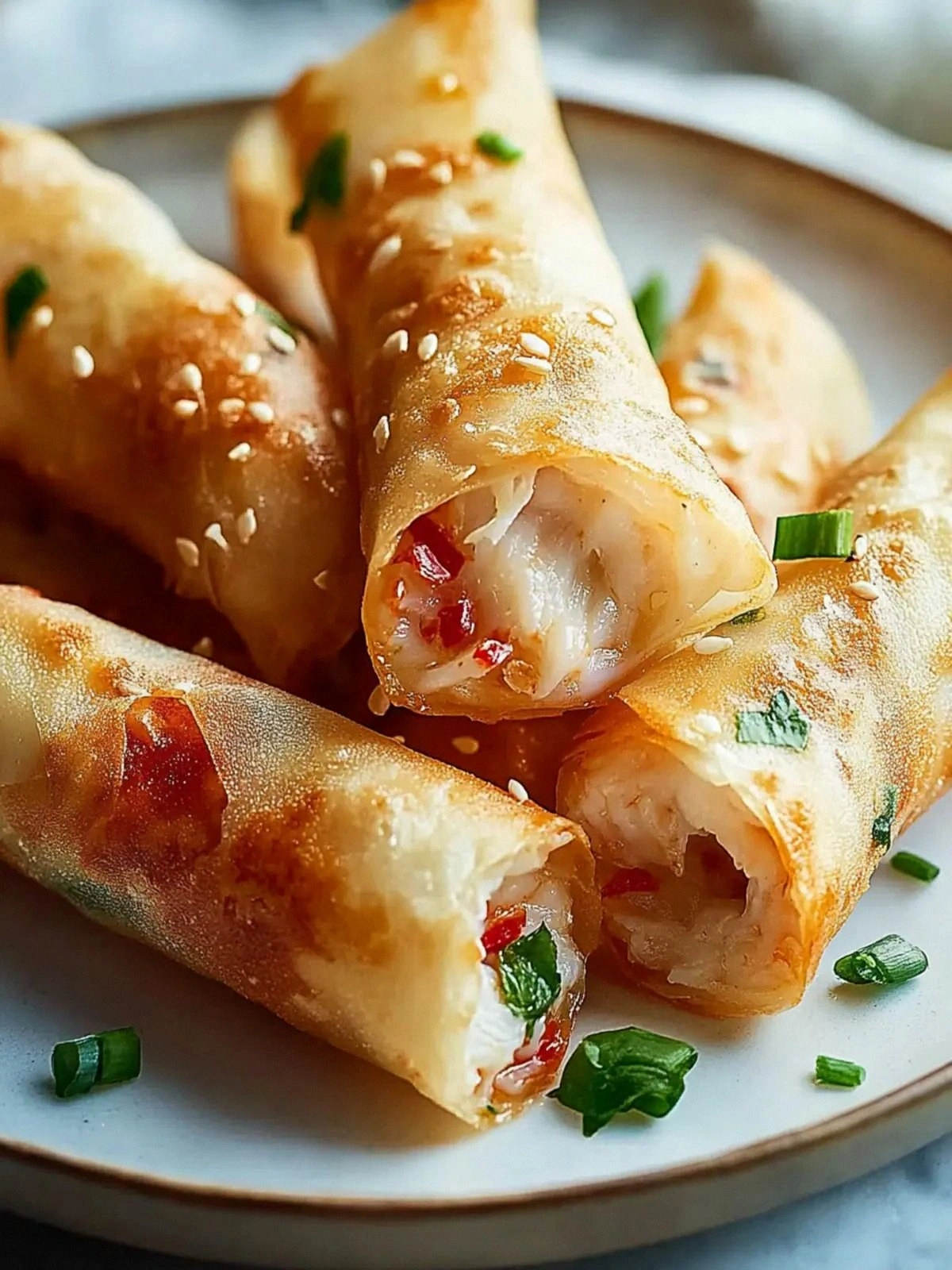
Picture the moment you open the pantry, the scent of fresh crab mingling with the faint sweetness of cream cheese. You feel the coolness of the wrappers against your fingertips, the subtle crunch when you press them together, and you hear the sizzling anticipation as the oil warms. The visual of the golden-brown edges glistening in the pan is almost a promise of flavor. The taste, once you take a bite, is a creamy, briny explosion that coats your tongue like velvet, leaving a hint of soy and green onion that lingers like a whispered secret. The texture is a dance between the crisp wrapper and the silky interior, a harmony that makes every bite a tiny celebration.
What makes this version stand out from every other recipe out there is that I stripped away the fluff and focused on pure, balanced flavors. I discovered that the key to a perfect roll is the ratio of cream cheese to crab, the subtle seasoning of soy sauce, and the precise timing of the frying process. The result is a dish that feels like a gourmet takeout but you’ll never want to order it again. I added a splash of lime and a sprinkle of chili flakes for an extra kick that elevates the whole experience. By the end of this guide, you’ll wonder how you ever made it any other way.
Let me walk you through every single step — by the end, you'll wonder how you ever made it any other way. I’ll share micro‑challenges, bold claims, and my personal confessions that will keep you engaged from the first stir to the last bite. You'll learn how to avoid the most common pitfalls and how to make this dish look as good as it tastes. If you've ever struggled with this, you're not alone — and I've got the fix. Picture yourself pulling this out of the pan, the whole kitchen smelling incredible, and your guests leaning in for more. Okay, ready for the game‑changer?
What Makes This Version Stand Out
- Flavor: The combination of creamy cheese and succulent crab creates a savory profile that is both comforting and adventurous. The soy sauce adds a subtle umami depth, while the green onions provide a fresh, bright contrast. This balance turns an ordinary appetizer into a memorable experience.
- Texture: The rice paper wrapper offers a delicate crunch that snaps like thin ice, while the filling melts in your mouth like velvet. The contrast between the crisp exterior and silky interior is a key sensory delight. It’s a mouthful of texture that keeps guests coming back for more.
- Simplicity: With only five core ingredients, the recipe is easy to assemble, even for beginners. No complex sauces or long prep times are required, making it a perfect solution for last‑minute gatherings. The process is straightforward, yet the outcome feels luxurious.
- Uniqueness: Unlike traditional crab rolls that rely on heavy sauces, this version relies on the inherent flavors of the crab and cheese. The subtle seasoning allows each bite to shine without overwhelming the palate. It’s a fresh take on a classic dish that stands out in any menu.
- Crowd Reaction: Friends and family consistently rave about the crispness and the creamy filling. The dish invites conversation and playful competition over who can finish first. It’s a guaranteed hit at parties, potlucks, and family dinners alike.
- Ingredient Quality: Using high‑quality crab meat and fresh cream cheese elevates the dish. The freshness of the green onions and the sharpness of the soy sauce create a flavor profile that feels premium. The ingredients work together to deliver an unforgettable taste.
- Cooking Method: Frying the rolls to a perfect golden brown locks in the flavors and creates a satisfying crunch. The quick cooking time ensures that the dish stays fresh and hot, ready to serve immediately. It’s a technique that works reliably for both beginners and seasoned cooks.
- Make‑Ahead Potential: The rolls can be assembled ahead of time and frozen, then fried later for a stress‑free dinner. This flexibility makes it ideal for busy schedules and last‑minute entertaining. The quality remains high even after reheating.
Alright, let's break down exactly what goes into this masterpiece. The next section will dive deep into each ingredient, revealing why each one matters and what happens if you skip it. You'll also get handy swaps and buying tips to make sure you’re using the best components possible. If you’re ready to elevate your appetizer game, keep reading.
Inside the Ingredient List
The Flavor Base
The cream cheese is the backbone of this dish, providing a rich, creamy texture that balances the briny crab. It also acts as a binder, holding the crab pieces together during the frying process. If you skip it, the filling will be dry and the rolls will fall apart. For a lighter version, consider using low‑fat cream cheese, but be prepared for a slightly less indulgent bite.
The Texture Crew
Rice paper wrappers are the star of the show, delivering that satisfying snap when you bite into them. Their thinness allows the filling to stay warm and the sauce to seep through, creating a harmonious mouthfeel. If you use a thicker wrapper, the rolls will feel heavy and the filling may not distribute evenly. Always soak the wrappers in warm water for the right amount of time to avoid cracking.
The Unexpected Star
Crab meat brings a delicate sweetness and a subtle brininess that elevates the entire dish. Fresh, high‑quality crab is ideal, but if you’re using canned, choose a brand with a clear, clean taste. Skipping the crab would transform this into a plain cheese roll, losing the unique seafood element that makes it stand out. If you prefer a different seafood, shrimp or scallops can be used as a tasty alternative.
The Final Flourish
Green onions add a bright, peppery note that cuts through the richness of the cheese and crab. They also provide a fresh crunch that contrasts with the smooth filling. Soy sauce gives a savory depth and a touch of saltiness that ties all the flavors together. If you’re watching sodium, use low‑sodium soy sauce or a splash of tamari for a similar effect.
Everything's prepped? Good. Let's get into the real action. The following steps will guide you through assembling, frying, and serving these delightful rolls, ensuring each bite is perfect. Keep an eye on the timing, and don't be afraid to adjust the heat to keep the wrappers crisp. Remember, practice makes perfect, so if you don’t get it right the first time, keep at it. The payoff is worth every second of your effort.
The Method — Step by Step
- Start by finely chopping the green onions and mixing them into a bowl with the crab meat. Add the cream cheese and a splash of soy sauce, then blend until the mixture is smooth and creamy. This filling will be the heart of each roll, so take your time to ensure it’s well combined. The mixture should be thick enough to hold its shape but not so dry that it clumps. Taste and adjust the soy sauce if you prefer a saltier flavor.
- Fill a shallow dish with warm water and set a clean towel on top. Dip each rice paper wrapper into the water for about 5–7 seconds, just until it becomes pliable but still intact. Remove it and pat it dry on the towel to remove excess moisture. This step is crucial for preventing tears during rolling. Keep the wrappers warm and moist until you’re ready to fill them.
- Place a small spoonful of the filling in the center of each softened wrapper. Spread it out evenly, leaving a small border around the edges. Fold the bottom of the wrapper over the filling, then bring the sides in, rolling tightly until the entire roll is sealed. The goal is a neat, compact roll that won’t unravel when fried. If you’re a beginner, practice with a few test rolls to get the right pressure.
- Heat a generous amount of neutral oil (like canola or vegetable) in a deep skillet over medium‑high heat. Test the temperature by dropping a small piece of wrapper; it should sizzle immediately and rise to the surface. Once hot, carefully slide in the rolls, ensuring they’re spaced apart to avoid sticking. Fry each side for 2–3 minutes until a golden brown crust forms. Flip gently with tongs to prevent the filling from spilling.
- Once golden, remove the rolls with a slotted spoon and place them on a plate lined with paper towels. This step drains excess oil and keeps the rolls crisp. Let them rest for a minute; the filling will settle, making them easier to handle. The aroma of fried rice paper will fill the kitchen, making everyone’s mouth water. If you prefer a double‑fry for extra crunch, repeat the frying step after the first rest.
- Prepare a simple dipping sauce by mixing equal parts soy sauce and rice vinegar, then add a dash of sesame oil and a pinch of sugar. Whisk until the sugar dissolves and the flavors meld. This sauce provides a tangy counterpoint to the creamy filling. Serve the sauce in a small bowl alongside the rolls for dipping. The contrast between the hot, crispy rolls and the cool sauce is a flavor revelation.
- Arrange the fried rolls on a platter, garnishing with extra sliced green onions and a drizzle of lime juice for brightness. The lime adds a fresh citrus note that cuts through the richness. Serve immediately while the rolls are still hot and crisp. This presentation looks elegant and invites guests to dig in. If you’re planning a party, set up a DIY dipping station for added fun.
- If you’re not serving them right away, place the cooled rolls in an airtight container and refrigerate for up to 24 hours. When ready to serve, reheat in a skillet or oven at 375°F until warmed through and crispy. The texture may soften slightly, but the flavor remains intact. For a quick reheat, sprinkle a little water on the rolls and cover the pan with a lid for a minute to create steam.
That's it — you did it. But hold on, I've got a few more tricks that'll take this to another level. The next section will reveal insider tips that even seasoned cooks swear by, ensuring every roll is flawless. Trust me, these small adjustments make a huge difference in taste and texture. Now, let’s dive into the details.
Insider Tricks for Flawless Results
The Temperature Rule Nobody Follows
Many cooks assume that higher heat always yields a crispier crust, but that’s a myth. The ideal oil temperature for these rolls is around 350°F. If the oil is too hot, the wrapper will brown before the filling heats through, causing a burnt taste. If it’s too cool, the rolls absorb excess oil and become soggy. Use a thermometer or the water test to maintain consistent heat.
Why Your Nose Knows Best
The first scent you catch from the pan is the secret indicator of doneness. When the rolls are golden and the oil starts to shimmer, you’re in the zone. A subtle aroma of toasted sesame and brine signals the perfect finish. Trust your nose; it’s the most reliable guide during frying.
The 5-Minute Rest That Changes Everything
After frying, let the rolls rest for exactly five minutes. This pause allows the filling to set, preventing it from leaking when you cut into the roll. It also lets the exterior crisp up further. Skipping this step often results in a gooey interior that ruins the crunch. Patience is key for a perfect bite.
The Secret of Evenly Spaced Rolls
Spacing the rolls in the pan ensures even heat distribution. If the rolls touch, they’ll steam and lose their crispness. Use a small plate or a silicone mat to keep them separated. This simple trick guarantees uniform results across the batch.
The Quick Chill Trick
If you’re making the rolls ahead of time, place them on a wire rack over a tray after frying. This allows excess oil to drain and the crust to remain crisp. Refrigerate the cooled rolls, then reheat just before serving. This method keeps them fresh and ready for any last-minute guests.
The Sauce‑First Approach
Some chefs suggest dipping the rolls before frying, but this can cause the sauce to burn and stick to the pan. Instead, add the sauce after the rolls are fried and cooled slightly. This preserves the sauce’s flavor profile and keeps the rolls from becoming soggy. Serve the sauce in a separate dish for dipping.
Creative Twists and Variations
This recipe is a playground. Here are some of my favorite ways to switch things up:
Spicy Sriracha Surprise
Add a teaspoon of sriracha to the filling for a fiery kick. The heat pairs beautifully with the creamy cheese, creating a spicy-sweet contrast. This variation is perfect for guests who love a little heat.
Mediterranean Twist
Replace the soy sauce with a drizzle of olive oil and a pinch of oregano. Add chopped sun‑dried tomatoes for a burst of umami. The result is a Mediterranean‑inspired roll that feels fresh and vibrant.
Vegetarian Version
Omit the crab and substitute with finely diced smoked tofu or diced avocado. The tofu adds a silky texture while the avocado offers a buttery richness. This version is great for vegetarians and still delivers the creamy, crunchy experience.
Coconut Curry Fusion
Stir in a tablespoon of coconut milk and a pinch of curry powder into the filling. The coconut adds a tropical sweetness, and the curry gives depth. Serve with a lime‑coconut dipping sauce for a full‑on fusion experience.
Asian‑Inspired Sweet Chili
Replace the soy sauce with sweet chili sauce and add a splash of rice vinegar. The sweet‑spicy flavor pairs well with the creamy filling. This variation is a crowd‑pleaser at parties.
Breakfast‑Style Roll
Add a beaten egg to the filling for a richer texture. Serve the rolls with a side of maple syrup or a drizzle of honey for a sweet breakfast twist. The combination of savory and sweet makes for a unique morning treat.
Storing and Bringing It Back to Life
Fridge Storage
Store the cooled rolls in an airtight container in the refrigerator for up to 24 hours. Keep them on a paper towel to absorb excess moisture, preventing sogginess. When ready to serve, reheat them in a hot skillet for 2–3 minutes per side.
Freezer Friendly
For longer storage, freeze the rolls on a parchment‑lined tray for 1–2 hours before transferring them to a freezer bag. They’ll keep for up to 2 months. When reheating, thaw at room temperature and finish in a skillet or oven at 375°F until crisp.
Best Reheating Method
The key to restoring crispness is to reheat in a dry pan over medium heat. Avoid microwaving, as it turns the wrapper soggy. Add a splash of water to the pan and cover for a minute to steam the interior, then remove the lid to crisp the exterior. The result is a roll that tastes almost freshly fried.