Picture this: I’m in my cramped city kitchen, the kind where the stovetop is a battlefield and the oven is a reluctant ally. I had just survived a disastrous attempt at making a classic French duck confit—smoked, overcooked, and a texture that reminded me of old leather shoes. My roommate walked in, sniffed the air, and dared me, “If you can’t get that duck right, at least make something that actually tastes good.” I laughed, rolled up my sleeves, and whispered to the empty room, “Challenge accepted.” That moment sparked the birth of the most unforgettable duck legs you’ll ever encounter, and trust me, this isn’t some half‑hearted experiment; it’s a full‑blown culinary revolution that will make you question every other poultry recipe you’ve ever tried.
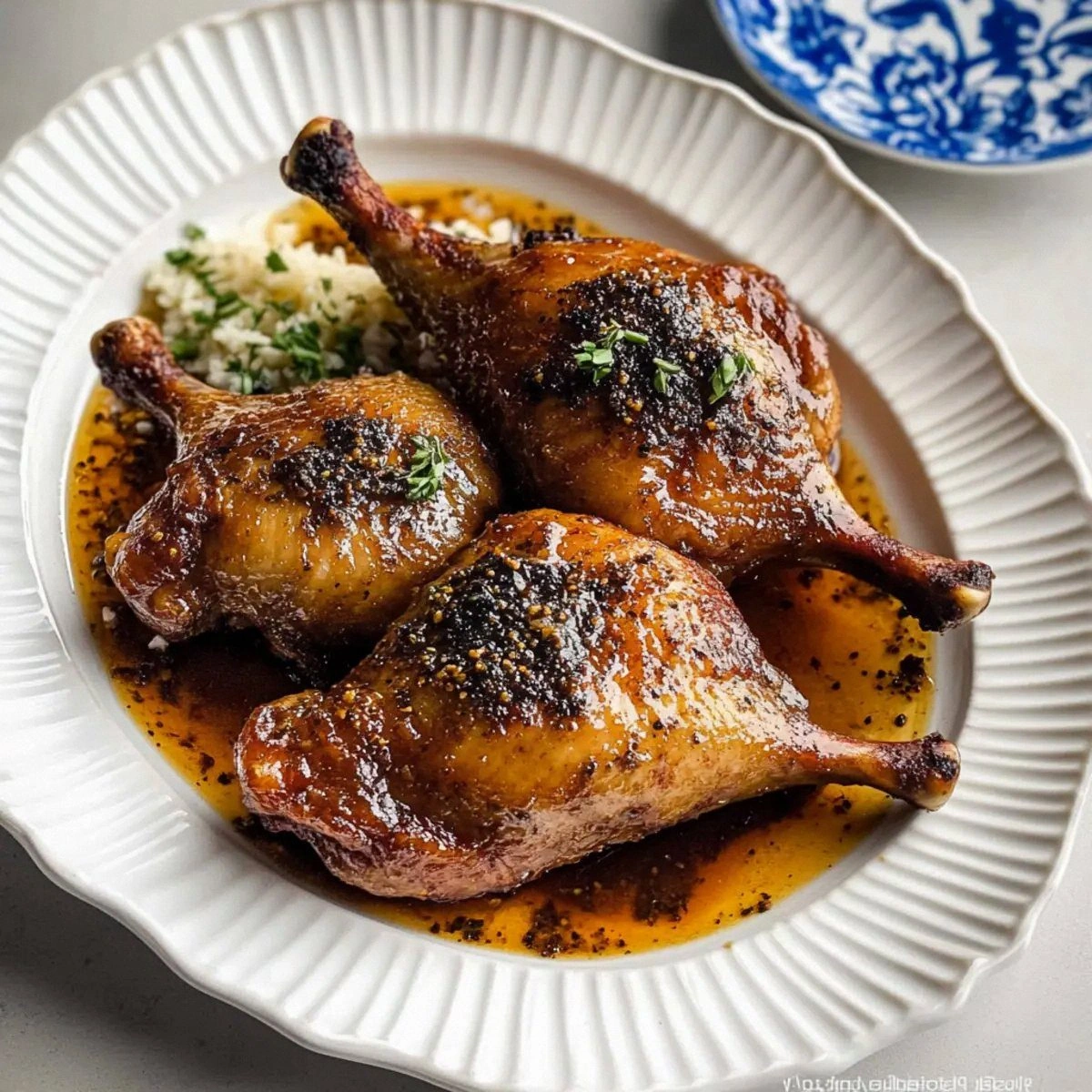
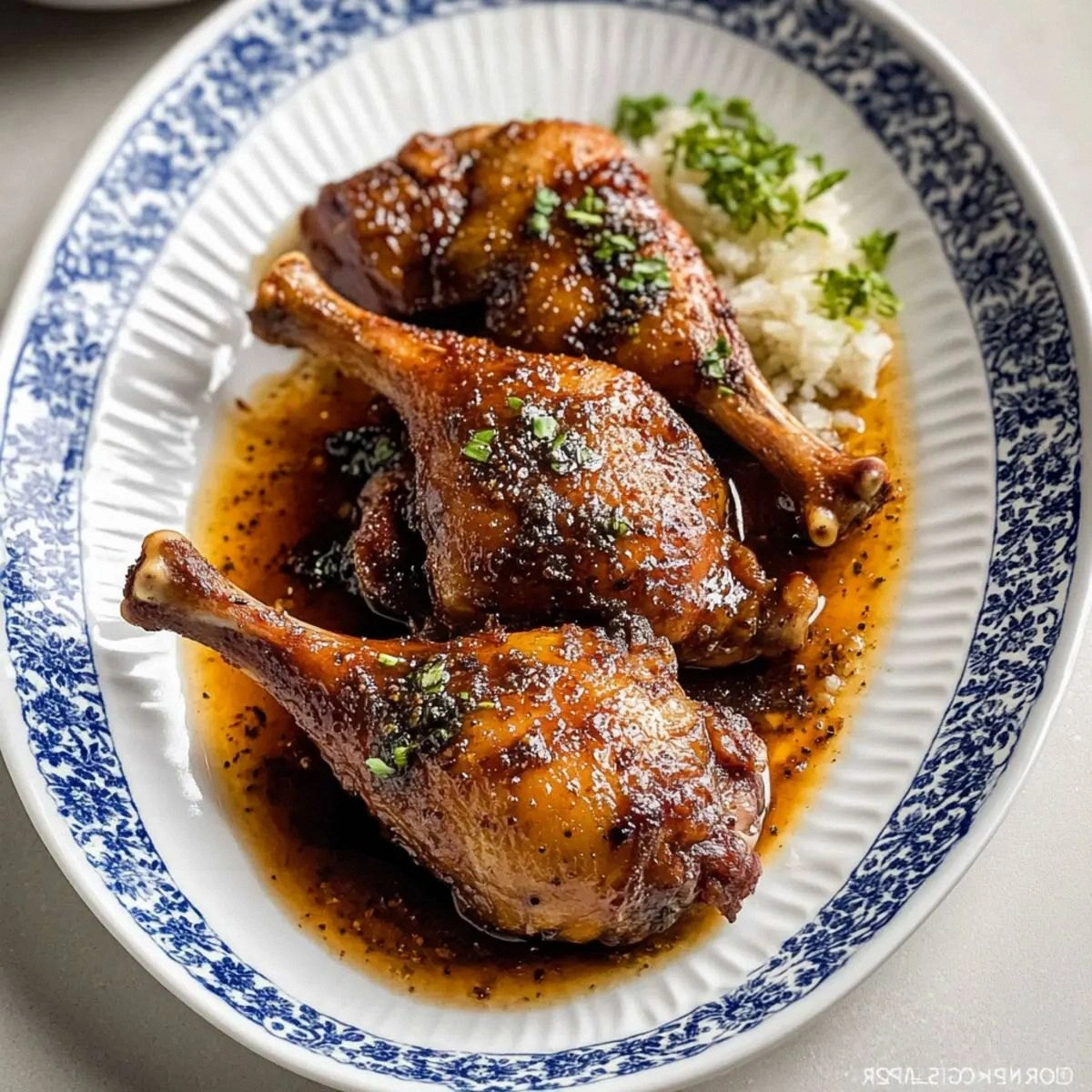
The moment the duck legs hit the pan, a symphony of sizzles erupts, like a jazz band hitting the high note just as the audience leans in. The skin crackles, releasing a buttery aroma that instantly fills the entire apartment, mingling with the sharp, peppery perfume of freshly cracked black peppercorns. You can almost see the steam dancing in the kitchen light, hear the faint pop of fat rendering, and feel the heat radiating from the oven door as the legs slowly turn a deep, caramelized amber. When you finally pull the tray out, the skin is crisp enough to shatter like thin ice under a gentle tap, while the meat beneath remains succulent, almost melting on the tongue. The black pepper sauce that follows coats the legs like velvet, each bite delivering a punch of umami, a whisper of sweetness, and a lingering warmth that makes your taste buds do a little happy dance.
What makes this version truly stand out is the daring marriage of traditional Chinese aromatics with a Western roasting technique. Most recipes either drown the duck in a sauce that masks its natural richness or over‑roast it until the meat is dry and the skin is rubbery. I’ve cracked the code by first marinating the legs in a balanced blend of ginger, rice wine, and a touch of Shaoxing, then roasting them low and slow to render the fat without sacrificing the skin’s integrity. The finishing black pepper sauce, a silky concoction of soy, oyster sauce, and a splash of sesame oil, is the secret weapon that elevates the dish from good to legendary. I dare you to taste this and not go back for seconds.
Now, I’m about to walk you through every single step—by the end, you’ll wonder how you ever made it any other way. I’ll reveal the one technique that most chefs overlook (it involves a simple kitchen towel trick that guarantees perfectly crisp skin), the exact timing that makes the sauce cling like a second skin, and a handful of pro tips that will keep you from common pitfalls. So, grab your apron, preheat that oven, and let’s dive into the adventure of creating the ultimate Savory Roasted Duck Legs with Black Pepper Sauce Delight.
What Makes This Version Stand Out
- Flavor Explosion: The combination of ginger, garlic, and Shaoxing wine creates a depth that sings, while the black pepper sauce adds a bold, lingering heat that never overwhelms.
- Texture Mastery: Crispy, crackling skin meets melt‑in‑your‑mouth meat, a contrast that most recipes miss by either under‑rendering the fat or over‑cooking the flesh.
- Simplicity: Only a handful of pantry staples are needed, and the steps are straightforward enough for a weekday dinner yet impressive enough for guests.
- Unique Twist: Marinating with rice wine before roasting is a game‑changer that infuses the duck with subtle sweetness and helps the skin crisp up beautifully.
- Crowd Reaction: Expect applause at the table—people will ask for seconds, and you’ll get that proud “I made this” grin.
- Ingredient Quality: Using fresh whole black peppercorns and high‑quality soy sauce ensures the sauce isn’t just salty but richly layered.
- Cooking Method: The low‑and‑slow roast followed by a high‑heat finish guarantees even cooking without drying out the meat.
- Make‑Ahead Potential: The duck legs store beautifully; reheat with a splash of water, and the sauce re‑emerges glossy and full‑flavored.
Inside the Ingredient List
The Flavor Base
Ginger (2 tsp): Fresh ginger injects a bright, peppery zing that cuts through the richness of the duck. If you skip it, the sauce loses its signature zing and feels flat. A good substitute is ground ginger, but use only half the amount to avoid bitterness.
Garlic (3 cloves): Garlic provides a savory backbone, mellowing as it cooks and blending seamlessly with the soy and oyster sauces. Missing garlic would make the sauce feel one‑dimensional. Try roasted garlic for a sweeter note if you prefer.
The Texture Crew
Duck Legs (4 legs): The leg meat is naturally tender and flavorful, with a higher fat content than breast, which makes it perfect for roasting. If you can’t find duck legs, boneless duck thighs work, but you’ll lose some of the crispy skin experience.
Whole Black Peppercorns (1 tbsp): Cracking these fresh releases essential oils that give the sauce its aromatic heat. Pre‑ground pepper loses potency quickly; always crush just before use for maximum impact.
The Unexpected Star
Rice Wine or Sake (3 tbsp): This adds a subtle sweetness and helps to tenderize the meat during the marination. Skipping it can make the duck taste overly gamey. If you’re avoiding alcohol, replace with a splash of apple cider vinegar diluted with water.
Shaoxing Wine (3 tbsp): A Chinese cooking wine that deepens umami and adds a caramelized undertone. It’s the secret behind that restaurant‑level depth. You can substitute dry sherry if needed, though the flavor will shift slightly.
The Final Flourish
Light Soy Sauce (4 tbsp) & Oyster Sauce (2 tbsp): Together they create a balanced salty‑sweet foundation, with the oyster sauce contributing a silky mouthfeel. Using low‑sodium soy keeps the dish from becoming overly salty.
Sugar (1 tbsp): Just enough to round out the acidity and enhance caramelization. Too much sugar would make the sauce cloying; the right amount is a whisper of sweetness.
Sesame Oil (2 tbsp): Adds a nutty aroma that lifts the whole dish. A drizzle at the end preserves its delicate flavor—cooking it too long would make it bitter.
Water (1/2 cup): Provides the right consistency for the sauce, allowing it to coat the duck without drowning it. Adjust with a splash more if the sauce looks too thick during the final reduction.
Everything's prepped? Good. Let’s get into the real action…
The Method — Step by Step
-
Begin by patting the duck legs completely dry with paper towels. This is crucial because any residual moisture will steam the skin instead of crisping it. Once dry, rub the legs all over with the 1 tsp of salt, making sure to get into the crevices. Let them rest uncovered in the refrigerator for at least 30 minutes; this dry‑brine draws out excess moisture and intensifies flavor. You’ll notice the skin starting to look slightly tacky—that’s a good sign.
-
While the duck is brining, whisk together the ginger, garlic (minced), rice wine, Shaoxing wine, soy sauce, oyster sauce, sugar, sesame oil, and water in a bowl. This becomes your marinating liquid and future sauce base. The aromas will already start to mingle, and you’ll get a hint of that sweet‑savory perfume that will later cling to the meat. Set aside half of this mixture for the sauce; the other half will be used to marinate the duck.
-
Place the duck legs in a large zip‑top bag or shallow dish and pour the marinating portion over them, ensuring each piece is fully coated. Seal the bag, massage the liquid into the skin, and refrigerate for at least 2 hours, preferably overnight. The longer the marination, the deeper the flavor penetration, and the more tender the meat will become.
-
Preheat your oven to 300°F (150°C). While the oven warms, line a baking sheet with foil and set a wire rack on top. This arrangement allows the fat to drip away, preventing the legs from sitting in their own grease, which would make the skin soggy.
Kitchen Hack: Place a small cup of water on the lower rack of the oven; the steam it creates will keep the meat juicy while the skin still gets that coveted crunch. -
Arrange the marinated duck legs skin‑side up on the rack. Roast for 45 minutes, then increase the oven temperature to 425°F (220°C) for a final 15‑20 minutes to achieve that golden, crackling skin. Keep a close eye—once the skin starts to darken, it can go from perfect to burnt in seconds. The aroma at this stage should be intoxicating, a blend of roasted meat and sweet spice.
Watch Out: If you notice the skin browning too quickly, loosely tent the duck with a piece of foil to prevent burning while still allowing the interior to finish cooking. -
While the duck finishes its high‑heat blast, pour the reserved sauce mixture into a saucepan over medium heat. Bring it to a gentle boil, then reduce to a simmer. Let it reduce by about one‑third, stirring occasionally. The sauce will thicken, becoming glossy and velvety, ready to cling to the duck like a second skin.
-
Once the duck legs are perfectly crisp, remove them from the oven and let them rest for 10 minutes. This rest period allows the juices to redistribute, ensuring each bite is moist. While they rest, give the sauce a final taste—adjust with a pinch more salt or a splash of sesame oil if needed.
Kitchen Hack: For an extra glossy finish, whisk in a teaspoon of cornstarch slurry (1 tsp cornstarch mixed with 2 tsp water) just before the sauce reaches its final consistency. -
Slice each leg at the joint, arranging the pieces on a serving platter. Drizzle the hot black pepper sauce generously over the top, allowing it to pool around the crispy skin. Garnish with a sprinkle of freshly cracked black pepper and a few sliced scallions for color. The final presentation should look like a glossy, pepper‑perfumed masterpiece—ready for that Instagram snap.
-
That’s it — you did it. But hold on, I’ve got a few more tricks that’ll take this to another level. Trust me, the next bite will feel like you’ve unlocked a secret level of flavor that most home cooks never experience.
Insider Tricks for Flawless Results
The Temperature Rule Nobody Follows
Most home cooks think “high heat equals crispy skin,” but the truth is a two‑stage approach works best. Start low to render the fat slowly, then finish high to crisp. This method prevents the meat from drying out while still delivering that crackle you crave. I once tried a single‑step high‑heat roast and ended up with burnt edges and raw interior—lesson learned.
Why Your Nose Knows Best
Never ignore the scent cues. When the sauce starts to emit a fragrant, caramelized aroma, you’re nearing the perfect reduction. If it smells raw or overly sharp, give it a few more minutes. Trust your nose more than the clock; it’s the most reliable kitchen sensor.
The 5‑Minute Rest That Changes Everything
Resting isn’t just for steaks. Allowing the duck legs to sit for a brief 5‑10 minutes after roasting lets the fibers relax, locking in juices. Skipping this step results in a dry bite, no matter how perfect the crust looks. I’ve seen people slice immediately and gasp at the loss of moisture—don’t be that person.
Sauce Consistency Secrets
If your sauce is too thin, it won’t cling; too thick, and it becomes gummy. The sweet spot is a glossy, pourable consistency that coats the back of a spoon. A quick tip: dip a spoon into the sauce; if the coating slides off in a slow, steady stream, you’ve nailed it.
Final Touch: The Pepper Burst
Just before serving, grind a handful of fresh black peppercorns over the top. The burst of fresh pepper adds a bright, aromatic finish that pre‑ground pepper can’t match. This final flourish is what separates a good dish from a show‑stopping one.
Creative Twists and Variations
This recipe is a playground. Here are some of my favorite ways to switch things up:
Spicy Sichuan Kick
Add 1 tsp of Sichuan peppercorn powder to the sauce and a drizzle of chili oil. The tongue‑tingling numbing effect pairs beautifully with the duck’s richness, perfect for heat lovers.
Citrus‑Infused Brightness
Stir in the zest of one orange and a splash of orange juice into the sauce during the final reduction. The citrus lifts the heaviness and adds a fragrant, festive note.
Herb‑Forward Version
Replace the ginger with 2 tbsp of finely chopped rosemary and add a tablespoon of thyme to the marinade. The herbaceous profile creates a rustic, European twist that still respects the sauce’s depth.
Sweet‑And‑Savory Glaze
Swap the soy sauce for a mixture of hoisin sauce and a tablespoon of honey. This creates a glossy, sweet glaze that caramelizes beautifully under the broiler, ideal for a holiday table.
Vegetarian “Duck” Alternative
Use large king oyster mushroom caps, marinated the same way, and roast them on a rack. While you won’t get the same fat rendering, the texture mimics the chewiness, and the sauce clings just as well.
Storing and Bringing It Back to Life
Fridge Storage
Place the cooled duck legs in an airtight container, pour any leftover sauce over them, and store in the refrigerator for up to 3 days. The flavors actually deepen as they sit, making next‑day leftovers even more delicious.
Freezer Friendly
For longer storage, separate the legs from the sauce, wrap each leg tightly in plastic wrap, then place them in a zip‑top freezer bag. The sauce can be frozen in a small freezer‑safe jar. Both will keep for up to 2 months. Thaw overnight in the fridge before reheating.
Best Reheating Method
Preheat your oven to 300°F (150°C). Place the duck legs on a wire rack, add a tiny splash (about a tablespoon) of water or leftover sauce to the bottom of the pan, and cover loosely with foil. Heat for 15‑20 minutes, then finish with a 5‑minute blast at 425°F to restore crispness. The added moisture steams the meat back to juiciness while the final high heat revives the crackle.