
Baked Eggs
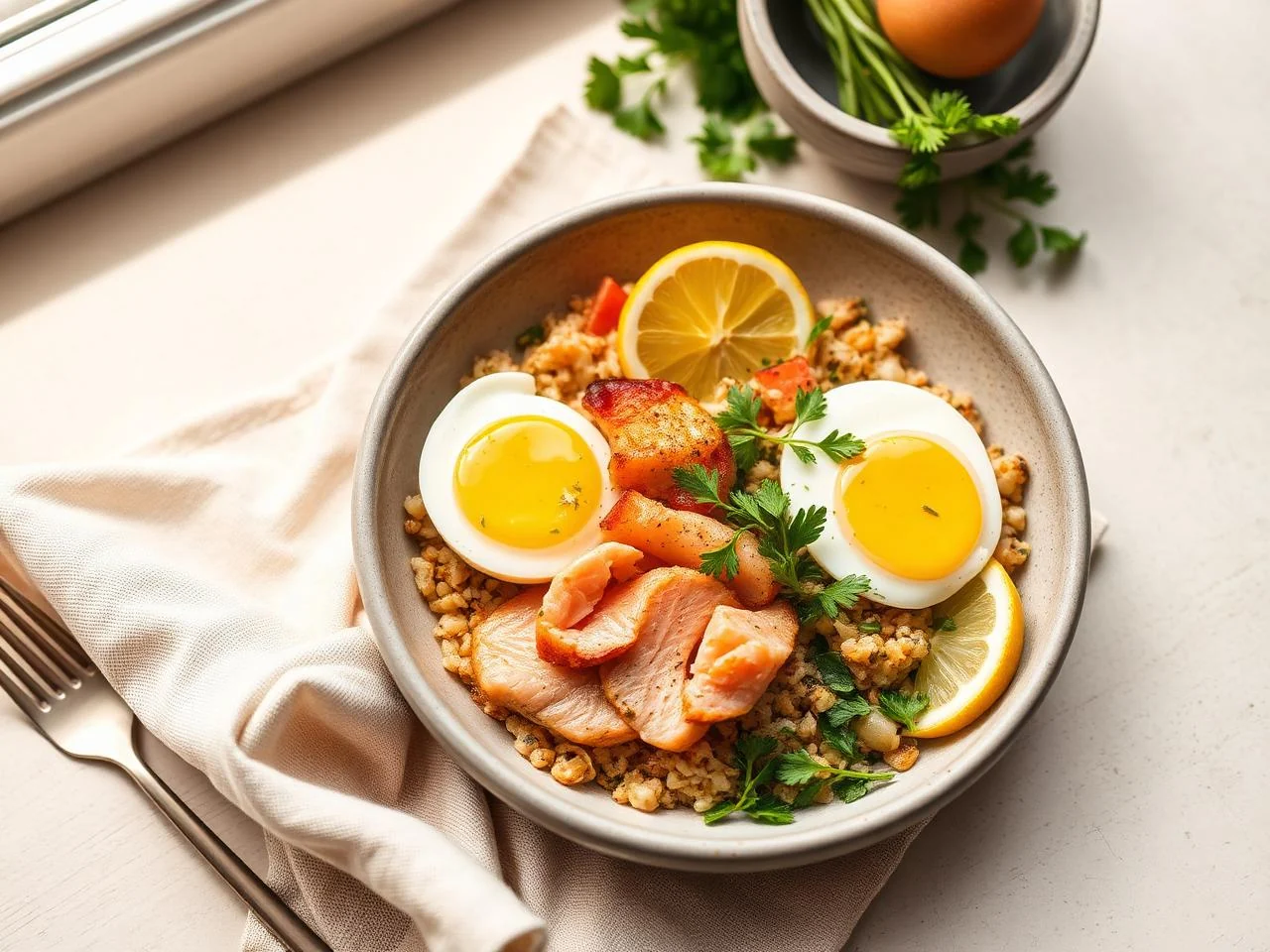
I still remember the first time I had baked eggs - it was at a small café in my hometown, and it completely changed my perspective on breakfast. The combination of the crispy, golden-brown crust and the creamy, runny eggs inside was absolute perfection. Since then, I've been on a mission to recreate that dish at home, and after countless experiments, I'm excited to share my findings with you.
As a former competitive rower, I know how important it is to fuel your body with the right foods. That's why I'm passionate about creating protein-forward meals that are not only delicious but also nutritious. Baked eggs are an excellent example of this - they're packed with protein, easy to make, and can be customized to suit your tastes.
One of the things I love about baked eggs is their versatility. You can serve them for breakfast, brunch, or even dinner, and they're perfect for meal prep or batch cooking. They're also a great way to use up leftover vegetables, cheese, or meats, making them a very budget-friendly option.
In this recipe, I'll walk you through the steps to create the perfect baked eggs. From the importance of using high-quality ingredients to the technique of achieving that perfect golden-brown crust, I'll share all my tips and tricks to help you succeed.
Why You’ll Love This Recipe
- Easy to make and requires minimal ingredients
- Perfect for breakfast, brunch, or dinner
- High in protein and can be customized to suit your tastes
- Great way to use up leftover vegetables, cheese, or meats
- Budget-friendly and perfect for meal prep or batch cooking
- Can be made ahead of time and reheated when needed
- Impressive and delicious, making it perfect for special occasions
Why This Recipe Works
The key to making great baked eggs is to use high-quality ingredients and to cook them at the right temperature. By using farm-fresh eggs and real cheese, you'll get a richer, more complex flavor that's hard to beat. Additionally, cooking the eggs in a hot oven helps to create a crispy, golden-brown crust that adds texture and visual appeal to the dish.
Another important factor is the cooking time. By baking the eggs for the right amount of time, you'll get a creamy, runny yolk that's perfectly cooked. This is achieved by using a combination of high heat and a shorter cooking time, which helps to cook the eggs quickly and evenly.
Finally, the type of pan you use can also make a big difference. A cast-iron skillet or a ceramic baking dish is ideal for baked eggs, as they retain heat well and can be used at high temperatures. This helps to create a crispy crust and a perfectly cooked egg.
Ingredients You’ll Need
When it comes to baked eggs, the ingredients are simple but important. You'll need farm-fresh eggs, real cheese, and some basic pantry staples. The key is to use high-quality ingredients that will give you the best flavor and texture.
Here are the ingredients you'll need to get started:
- 6 large eggsFarm-fresh eggs are essential for the best flavor and texture. Look for eggs that are rich in omega-3 fatty acids and have a thick, creamy white.
- 1/2 cup grated cheddar cheeseReal cheese is a must for baked eggs. Cheddar is a great option, but you can also use other types of cheese, such as Parmesan or mozzarella.
- 1/2 cup diced hamDiced ham adds a salty, savory flavor to the eggs. You can also use other types of meat, such as bacon or sausage.
- 1/2 cup diced bell peppersBell peppers add a sweet, crunchy texture to the eggs. You can use any color bell pepper you like, or a combination of colors.
- 1/2 cup diced onionOnion adds a pungent flavor to the eggs. You can use any type of onion you like, but sweet onions work particularly well.
- 2 cloves garlic, mincedGarlic adds a rich, aromatic flavor to the eggs. You can use more or less garlic depending on your taste.
- 1 tsp dried thymeThyme adds a savory, slightly bitter flavor to the eggs. You can use fresh or dried thyme, depending on what you have available.
- Salt and pepper to tasteSalt and pepper are essential for bringing out the flavors in the eggs. Use them sparingly, as you can always add more but it's harder to remove excess salt and pepper.
- 2 tbsp olive oilOlive oil is used to grease the pan and add flavor to the eggs. You can use other types of oil, such as coconut or avocado oil, if you prefer.
- 1 tsp paprikaPaprika adds a smoky, slightly sweet flavor to the eggs. You can use sweet or smoked paprika, depending on your taste.
Equipment You’ll Need
How to Make Baked Eggs
- 1Preheat your oven to 400°F (200°C). While the oven is heating up, prepare your ingredients by grating the cheese, dicing the ham, bell peppers, and onion, and mincing the garlic.
- 2In a large bowl, whisk together the eggs, thyme, salt, and pepper. Add the grated cheese, diced ham, bell peppers, and onion, and stir until well combined.
- 3Heat the olive oil in a large cast-iron skillet or ceramic baking dish over medium-high heat. Once the oil is hot, add the minced garlic and cook for 1-2 minutes, until fragrant.
- 4Pour the egg mixture into the skillet or baking dish and cook for 2-3 minutes, until the edges start to set.
- 5Transfer the skillet or baking dish to the preheated oven and bake for 15-20 minutes, until the eggs are cooked through and the top is golden brown.
- 6Remove the skillet or baking dish from the oven and let it cool for a few minutes. Use a spatula to carefully loosen the edges of the eggs from the pan.
- 7Slide the eggs onto a plate and garnish with chopped fresh herbs, if desired. Serve hot and enjoy!
- 8If you want to add a bit of smokiness to your eggs, sprinkle some paprika on top before serving.
- 9To ensure the eggs are cooked to a safe internal temperature, use an instant-read thermometer to check the temperature. The eggs should be cooked to an internal temperature of at least 160°F (71°C).
- 10Let the eggs rest for a few minutes before serving. This will help the eggs to set and make them easier to slice and serve.
- 11Slice the eggs into wedges and serve with your favorite sides, such as toast, hash browns, or a salad.
Expert Tips
- Use farm-fresh eggs for the best flavor and texture.
- Don't overfill the skillet or baking dish, as this can cause the eggs to spill over during cooking.
- Use a variety of colors when adding bell peppers to make the dish more visually appealing.
- Add some diced ham or bacon to the eggs for added protein and flavor.
- Experiment with different types of cheese, such as feta or goat cheese, to find the one you like best.
- Add some chopped fresh herbs, such as parsley or chives, to the eggs for added flavor and color.
- Use a cast-iron skillet or ceramic baking dish to cook the eggs, as these retain heat well and can be used at high temperatures.
Common Mistakes to Avoid
- Overcooking the eggs, which can make them dry and rubbery.
- Not using enough oil in the pan, which can cause the eggs to stick and become difficult to remove.
- Not whisking the eggs well enough, which can result in a dense and tough texture.
- Not using high-quality ingredients, which can affect the flavor and texture of the eggs.
- Not letting the eggs rest before serving, which can make them difficult to slice and serve.
- Not checking the internal temperature of the eggs, which can result in undercooked or overcooked eggs.
Variations and Substitutions
- Add some diced sausage or bacon to the eggs for added protein and flavor.
- Use different types of cheese, such as feta or goat cheese, to find the one you like best.
- Add some chopped fresh herbs, such as parsley or chives, to the eggs for added flavor and color.
- Use a variety of colors when adding bell peppers to make the dish more visually appealing.
- Experiment with different types of milk or cream, such as almond or soy milk, to find a dairy-free alternative.
- Add some diced ham or cooked vegetables to the eggs for added flavor and nutrition.
- Use a cast-iron skillet or ceramic baking dish to cook the eggs, as these retain heat well and can be used at high temperatures.
What to Serve With Baked Eggs
Baked eggs are a versatile dish that can be served at any time of day. They're perfect for breakfast, brunch, or dinner, and can be paired with a variety of sides to suit your taste.
Some popular options for serving baked eggs include toast, hash browns, salad, and fruit. You can also add some diced ham or cooked vegetables to the eggs for added flavor and nutrition.
Make-Ahead, Storage, Freezing and Reheating
Baked eggs can be stored in the refrigerator for up to 3 days or frozen for up to 2 months. To store, let the eggs cool completely, then wrap them tightly in plastic wrap or aluminum foil and refrigerate or freeze.
To reheat, simply wrap the eggs in a damp paper towel and microwave for 20-30 seconds, or until warmed through. You can also reheat the eggs in a skillet or oven, if preferred.
It's also possible to make baked eggs ahead of time and refrigerate or freeze them until needed. Simply prepare the egg mixture, pour it into a greased skillet or baking dish, and refrigerate or freeze until ready to bake.
When reheating baked eggs, make sure to check the internal temperature to ensure food safety. The eggs should be reheated to an internal temperature of at least 160°F (71°C).
Frequently Asked Questions
What type of pan is best for baking eggs?
A cast-iron skillet or ceramic baking dish is ideal for baking eggs, as they retain heat well and can be used at high temperatures.
How do I ensure the eggs are cooked to a safe internal temperature?
Use an instant-read thermometer to check the internal temperature of the eggs. The eggs should be cooked to an internal temperature of at least 160°F (71°C).
Can I make baked eggs ahead of time?
Yes, baked eggs can be made ahead of time and refrigerated or frozen until needed. Simply prepare the egg mixture, pour it into a greased skillet or baking dish, and refrigerate or freeze until ready to bake.
What are some variations I can try with baked eggs?
Some variations you can try with baked eggs include adding diced sausage or bacon, using different types of cheese, and adding chopped fresh herbs. You can also experiment with different types of milk or cream, such as almond or soy milk, to find a dairy-free alternative.
How do I store baked eggs?
Baked eggs can be stored in the refrigerator for up to 3 days or frozen for up to 2 months. To store, let the eggs cool completely, then wrap them tightly in plastic wrap or aluminum foil and refrigerate or freeze.
Can I reheat baked eggs?
Yes, baked eggs can be reheated in the microwave, skillet, or oven. Simply wrap the eggs in a damp paper towel and microwave for 20-30 seconds, or until warmed through. You can also reheat the eggs in a skillet or oven, if preferred.
What are some common mistakes to avoid when making baked eggs?
Some common mistakes to avoid when making baked eggs include overcooking the eggs, not using enough oil in the pan, and not whisking the eggs well enough. You should also make sure to use high-quality ingredients and check the internal temperature of the eggs to ensure food safety.
Can I use different types of cheese in baked eggs?
Yes, you can use different types of cheese in baked eggs. Some popular options include cheddar, feta, and goat cheese. You can experiment with different types of cheese to find the one you like best.
Ingredients
- 6 large eggs
- 1/2 cup grated cheddar cheese
- 1/2 cup diced ham
- 1/2 cup diced bell peppers
- 1/2 cup diced onion
- 2 cloves garlic, minced
- 1 tsp dried thyme
- Salt and pepper to taste
- 2 tbsp olive oil
- 1 tsp paprika
Instructions
- Preheat your oven to 400°F (200°C). While the oven is heating up, prepare your ingredients by grating the cheese, dicing the ham, bell peppers, and onion, and mincing the garlic.
- In a large bowl, whisk together the eggs, thyme, salt, and pepper. Add the grated cheese, diced ham, bell peppers, and onion, and stir until well combined.
- Heat the olive oil in a large cast-iron skillet or ceramic baking dish over medium-high heat. Once the oil is hot, add the minced garlic and cook for 1-2 minutes, until fragrant.
- Pour the egg mixture into the skillet or baking dish and cook for 2-3 minutes, until the edges start to set.
- Transfer the skillet or baking dish to the preheated oven and bake for 15-20 minutes, until the eggs are cooked through and the top is golden brown.
- Remove the skillet or baking dish from the oven and let it cool for a few minutes. Use a spatula to carefully loosen the edges of the eggs from the pan.
- Slide the eggs onto a plate and garnish with chopped fresh herbs, if desired. Serve hot and enjoy!
- If you want to add a bit of smokiness to your eggs, sprinkle some paprika on top before serving.
- To ensure the eggs are cooked to a safe internal temperature, use an instant-read thermometer to check the temperature. The eggs should be cooked to an internal temperature of at least 160°F (71°C).
- Let the eggs rest for a few minutes before serving. This will help the eggs to set and make them easier to slice and serve.
- Slice the eggs into wedges and serve with your favorite sides, such as toast, hash browns, or a salad.