Vietnamese Pho Bowl
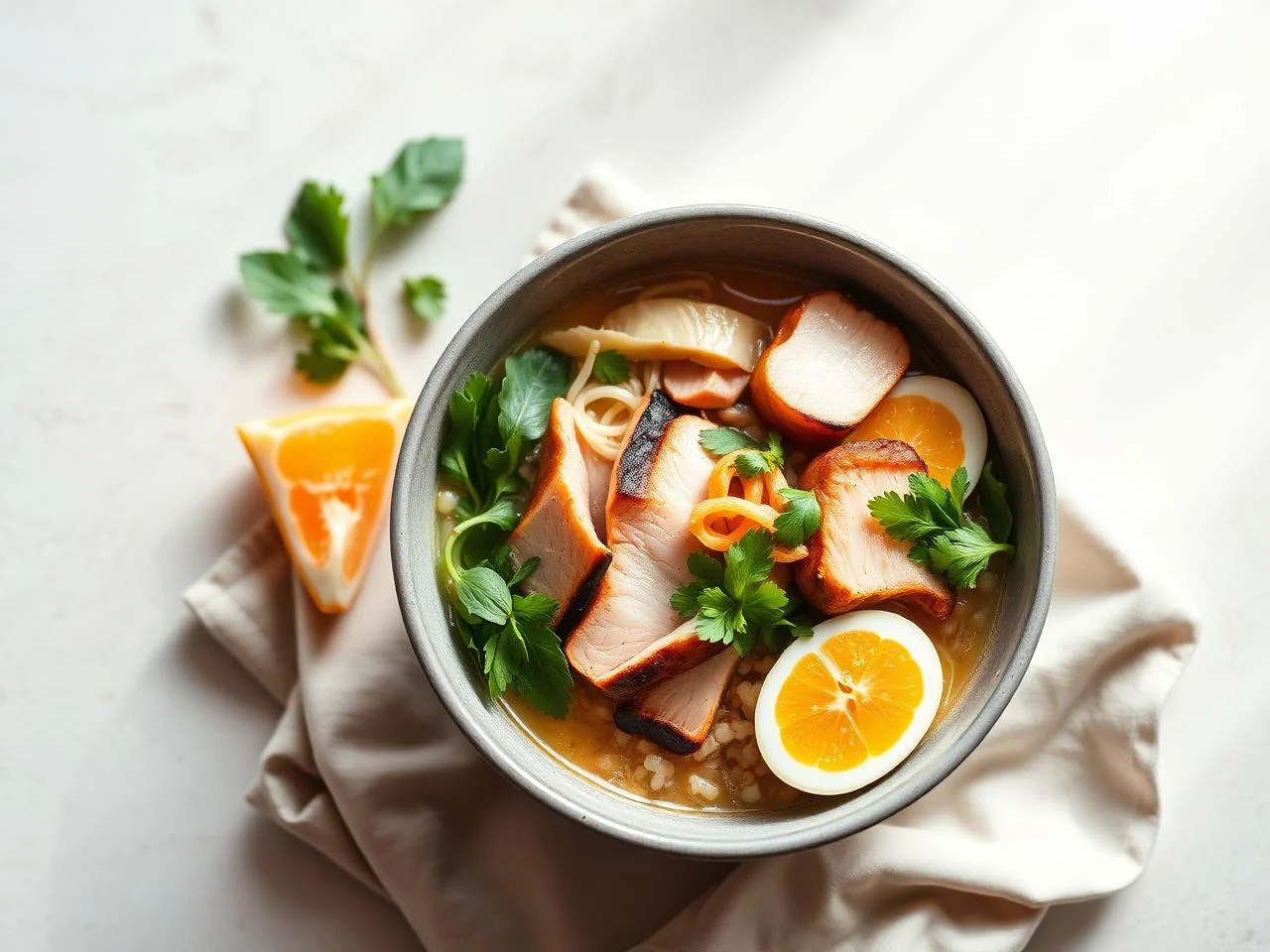
I still remember the first time I tried Vietnamese Pho - it was like a symphony of flavors and textures in a single bowl. The rich, savory broth, the tender beef, the fresh herbs, and the soft noodles all came together to create a truly unforgettable experience.
As a home cook, I was determined to recreate this magic in my own kitchen. After months of experimentation and research, I finally cracked the code and developed a recipe that I'm excited to share with you today.
This Vietnamese Pho Bowl recipe is more than just a meal - it's an experience. It's a chance to transport yourself to the bustling streets of Hanoi, to taste the authentic flavors of Vietnam, and to nourish your body and soul with a delicious, protein-forward meal.
So, who is this recipe for? It's for anyone who loves trying new foods, exploring different cultures, and cooking from scratch. It's for busy professionals who want a quick and easy meal that's also nutritious and delicious. And it's for families who want to share a fun and interactive dining experience together.
In this recipe, we'll take you through the steps to make an authentic Vietnamese Pho Bowl, from the rich beef broth to the tender beef slices, and from the soft noodles to the fresh herbs. We'll also share some tips and variations to help you make the recipe your own and to ensure that it becomes a staple in your kitchen.
Why You’ll Love This Recipe
- This recipe is easy to make and requires minimal ingredients.
- It's a healthy and nutritious meal that's packed with protein and fiber.
- It's a great way to explore Vietnamese cuisine and culture.
- It's a versatile recipe that can be customized to suit your tastes and preferences.
- It's a fun and interactive meal that's perfect for families and groups of friends.
- It's a cost-effective recipe that's budget-friendly and affordable.
Why This Recipe Works
The key to a great Vietnamese Pho Bowl is in the broth - it's the foundation of the dish, and it's what sets it apart from other noodle soups. Our recipe uses a combination of beef bones, onions, ginger, and spices to create a rich, savory broth that's both flavorful and aromatic.
Another important element is the beef - we use thinly sliced rare steak, which is cooked to perfection in the hot broth. The beef is tender, juicy, and full of flavor, and it's the perfect complement to the rich broth and soft noodles.
The noodles are also crucial - we use soft, chewy rice noodles that are specifically designed for Pho. They're easy to cook, and they soak up the flavorful broth beautifully.
Finally, the fresh herbs are the icing on the cake - they add a burst of freshness and flavor to the dish, and they help to balance out the richness of the broth and beef. We use a combination of basil, mint, and cilantro, which are all commonly used in Vietnamese cuisine.
Ingredients You’ll Need
To make this Vietnamese Pho Bowl recipe, you'll need a few key ingredients, including beef bones, rare steak, rice noodles, and fresh herbs. You'll also need some aromatics like onions, ginger, and garlic, as well as some spices and seasonings.
When shopping for ingredients, look for high-quality beef bones and rare steak, as these will give your broth and beef the best flavor and texture. You can find rice noodles at most Asian markets or online, and fresh herbs like basil, mint, and cilantro are widely available at most supermarkets.
- 2 lbs beef bonesBeef bones are the foundation of a great Pho broth, and they provide a rich, savory flavor and a velvety texture. Look for high-quality beef bones at your local butcher or supermarket.
- 1 lb rare steakRare steak is the perfect cut of beef for Pho, as it's tender, juicy, and full of flavor. Look for a high-quality rare steak at your local butcher or supermarket.
- 1 onion, slicedOnions add a sweet, caramelized flavor to the broth, and they help to balance out the savory flavors of the beef and spices. Look for a sweet onion like Vidalia or Maui.
- 2 inches ginger, slicedGinger adds a spicy, warming flavor to the broth, and it helps to aid digestion. Look for fresh ginger at your local supermarket or Asian market.
- 3 cloves garlic, mincedGarlic adds a pungent, savory flavor to the broth, and it helps to balance out the other flavors. Look for fresh garlic at your local supermarket.
- 1 tsp ground cinnamonCinnamon adds a warm, spicy flavor to the broth, and it helps to balance out the other flavors. Look for high-quality ground cinnamon at your local supermarket.
- 1 tsp ground cuminCumin adds a warm, earthy flavor to the broth, and it helps to balance out the other flavors. Look for high-quality ground cumin at your local supermarket.
- 1 tsp fish sauceFish sauce adds a salty, umami flavor to the broth, and it helps to balance out the other flavors. Look for high-quality fish sauce at your local Asian market or online.
- 1 tsp soy sauceSoy sauce adds a salty, savory flavor to the broth, and it helps to balance out the other flavors. Look for high-quality soy sauce at your local supermarket.
- 1 tsp sugarSugar adds a sweet, balancing flavor to the broth, and it helps to balance out the other flavors. Look for granulated sugar at your local supermarket.
- 8 oz rice noodlesRice noodles are the perfect base for Pho, as they're soft, chewy, and easy to cook. Look for high-quality rice noodles at your local Asian market or online.
- 1/4 cup fresh basil, choppedFresh basil adds a bright, fresh flavor to the dish, and it helps to balance out the other flavors. Look for fresh basil at your local supermarket.
- 1/4 cup fresh mint, choppedFresh mint adds a cool, refreshing flavor to the dish, and it helps to balance out the other flavors. Look for fresh mint at your local supermarket.
- 1/4 cup fresh cilantro, choppedFresh cilantro adds a fresh, herbal flavor to the dish, and it helps to balance out the other flavors. Look for fresh cilantro at your local supermarket.
Equipment You’ll Need
How to Make Vietnamese Pho Bowl
- 1In a large heavy pot or Dutch oven, combine the beef bones, onion, ginger, garlic, cinnamon, cumin, fish sauce, soy sauce, and sugar. Pour in enough cold water to cover the bones and bring to a boil over high heat.
- 2Once the broth is boiling, reduce the heat to medium-low and simmer for at least 1 hour, or until the broth is rich and savory and the bones are tender.
- 3While the broth is simmering, slice the rare steak into thin strips and set aside.
- 4After the broth has simmered for at least 1 hour, strain it through a fine-mesh strainer into a large bowl or container. Discard the solids and skim off any excess fat that rises to the surface.
- 5Bring the broth to a simmer over medium heat and cook the rice noodles according to the package instructions. Typically, this involves soaking the noodles in hot water for 5-7 minutes, or until they're soft and pliable.
- 6While the noodles are cooking, add the sliced rare steak to the simmering broth and cook for 1-2 minutes, or until the steak is cooked to your desired level of doneness.
- 7To assemble the Pho bowls, place some of the cooked noodles into a bowl, then add slices of the cooked steak and ladle the hot broth over the top.
- 8Garnish each bowl with chopped fresh basil, mint, and cilantro, and serve immediately.
- 9To add extra flavor to the dish, you can also add other toppings such as bean sprouts, lime wedges, and chili sauce.
- 10To make the dish more substantial, you can also add other ingredients such as cooked chicken or shrimp, or sliced vegetables like carrots and bell peppers.
- 11Finally, to make the dish more authentic, you can also add other traditional Vietnamese ingredients such as star anise, cloves, and cardamom to the broth.
- 12To serve, bring the broth to a simmer and cook the noodles and steak as desired. Assemble the bowls and garnish with fresh herbs and other toppings as desired.
- 13To ensure food safety, always use a food thermometer to check the internal temperature of the steak, which should be at least 130 F for medium-rare, 140 F for medium, and 150 F for medium-well or well-done.
Expert Tips
- To make the broth more rich and savory, you can roast the beef bones in the oven before simmering them in water. Simply place the bones on a baking sheet and roast at 400 F for 30 minutes, or until they're nicely browned.
- To make the dish more spicy, you can add more chili sauce or sliced jalapenos to the broth.
- To make the dish more sour, you can add a squeeze of fresh lime juice to the broth.
- To make the dish more umami, you can add more fish sauce or soy sauce to the broth.
- To make the dish more substantial, you can add cooked chicken or shrimp to the broth.
- To make the dish more authentic, you can add traditional Vietnamese ingredients such as star anise, cloves, and cardamom to the broth.
- To serve the dish more elegantly, you can garnish each bowl with a sprinkle of chopped fresh herbs and a slice of lime.
- To make the dish more fun and interactive, you can set up a Pho bar with various toppings and let each person assemble their own bowl.
Common Mistakes to Avoid
- Not simmering the broth for long enough, which can result in a weak or flavorless broth.
- Not skimming off excess fat from the surface of the broth, which can make the dish greasy and unappetizing.
- Not cooking the noodles according to the package instructions, which can result in undercooked or overcooked noodles.
- Not slicing the rare steak thinly enough, which can make it tough and chewy.
- Not garnishing the dish with fresh herbs, which can make it look and taste bland and unappetizing.
- Not serving the dish immediately, which can result in a cold and congealed broth and noodles.
Variations and Substitutions
- Adding cooked chicken or shrimp to the broth for added protein and flavor.
- Using different types of noodles, such as rice vermicelli or egg noodles, for a change of texture and flavor.
- Adding sliced vegetables, such as carrots and bell peppers, to the broth for added flavor and nutrients.
- Using different types of beef, such as brisket or flank steak, for a change of texture and flavor.
- Adding traditional Vietnamese ingredients, such as star anise and cloves, to the broth for added depth and complexity.
- Serving the dish with a side of fresh herbs and bean sprouts for added freshness and crunch.
- Using a spicy broth, such as one made with chili sauce or sliced jalapenos, for added heat and flavor.
What to Serve With Vietnamese Pho Bowl
This Vietnamese Pho Bowl recipe is perfect for serving as a main course or as a fun and interactive appetizer or snack. You can serve it with a variety of toppings, such as bean sprouts, lime wedges, and chili sauce, and you can also add other ingredients, such as cooked chicken or shrimp, to make it more substantial.
Some other ideas for serving this dish include setting up a Pho bar with various toppings and letting each person assemble their own bowl, or serving it as a comforting and nourishing meal on a cold winter's day. You can also serve it with a side of fresh herbs and bean sprouts for added freshness and crunch.
Make-Ahead, Storage, Freezing and Reheating
This Vietnamese Pho Bowl recipe can be made ahead and stored in the refrigerator for up to 3 days or frozen for up to 2 months. To store, simply cool the broth and noodles to room temperature, then refrigerate or freeze.
To reheat, simply bring the broth to a simmer over medium heat and cook the noodles according to the package instructions. You can also add other ingredients, such as cooked chicken or shrimp, to the broth to make it more substantial.
Some tips for storing and reheating this dish include using airtight containers to prevent the broth and noodles from drying out, and labeling the containers with the date and contents so that you can easily keep track of what you have in the fridge or freezer.
Another tip is to freeze the broth and noodles separately, so that you can easily reheat and assemble the bowls as needed. Simply freeze the broth in airtight containers or freezer bags, and freeze the noodles in a separate container or bag.
Frequently Asked Questions
What type of beef is best for Pho?
The best type of beef for Pho is rare steak, which is tender, juicy, and full of flavor. You can also use other types of beef, such as brisket or flank steak, for a change of texture and flavor.
How do I make the broth more rich and savory?
To make the broth more rich and savory, you can roast the beef bones in the oven before simmering them in water. Simply place the bones on a baking sheet and roast at 400 F for 30 minutes, or until they're nicely browned.
Can I use different types of noodles for Pho?
Yes, you can use different types of noodles for Pho, such as rice vermicelli or egg noodles, for a change of texture and flavor. Simply cook the noodles according to the package instructions and assemble the bowls as desired.
How do I add more flavor to the broth?
To add more flavor to the broth, you can add traditional Vietnamese ingredients, such as star anise and cloves, or you can use different types of beef or seafood. You can also add other ingredients, such as sliced vegetables or cooked chicken or shrimp, to make the broth more substantial and flavorful.
Can I make Pho ahead and store it in the refrigerator or freezer?
Yes, you can make Pho ahead and store it in the refrigerator for up to 3 days or frozen for up to 2 months. Simply cool the broth and noodles to room temperature, then refrigerate or freeze.
How do I reheat Pho?
To reheat Pho, simply bring the broth to a simmer over medium heat and cook the noodles according to the package instructions. You can also add other ingredients, such as cooked chicken or shrimp, to the broth to make it more substantial.
What are some common mistakes to avoid when making Pho?
Some common mistakes to avoid when making Pho include not simmering the broth for long enough, not skimming off excess fat from the surface of the broth, and not cooking the noodles according to the package instructions. You should also avoid overcooking the steak and not garnishing the dish with fresh herbs.
Can I serve Pho as a main course or as an appetizer?
Yes, you can serve Pho as a main course or as an appetizer, depending on your preferences and the occasion. It's a versatile dish that can be served in a variety of ways and with a variety of toppings and ingredients.
Ingredients
- 2 lbs beef bones
- 1 lb rare steak
- 1 onion, sliced
- 2 inches ginger, sliced
- 3 cloves garlic, minced
- 1 tsp ground cinnamon
- 1 tsp ground cumin
- 1 tsp fish sauce
- 1 tsp soy sauce
- 1 tsp sugar
- 8 oz rice noodles
- 1/4 cup fresh basil, chopped
- 1/4 cup fresh mint, chopped
- 1/4 cup fresh cilantro, chopped
Instructions
- In a large heavy pot or Dutch oven, combine the beef bones, onion, ginger, garlic, cinnamon, cumin, fish sauce, soy sauce, and sugar. Pour in enough cold water to cover the bones and bring to a boil over high heat.
- Once the broth is boiling, reduce the heat to medium-low and simmer for at least 1 hour, or until the broth is rich and savory and the bones are tender.
- While the broth is simmering, slice the rare steak into thin strips and set aside.
- After the broth has simmered for at least 1 hour, strain it through a fine-mesh strainer into a large bowl or container. Discard the solids and skim off any excess fat that rises to the surface.
- Bring the broth to a simmer over medium heat and cook the rice noodles according to the package instructions. Typically, this involves soaking the noodles in hot water for 5-7 minutes, or until they're soft and pliable.
- While the noodles are cooking, add the sliced rare steak to the simmering broth and cook for 1-2 minutes, or until the steak is cooked to your desired level of doneness.
- To assemble the Pho bowls, place some of the cooked noodles into a bowl, then add slices of the cooked steak and ladle the hot broth over the top.
- Garnish each bowl with chopped fresh basil, mint, and cilantro, and serve immediately.
- To add extra flavor to the dish, you can also add other toppings such as bean sprouts, lime wedges, and chili sauce.
- To make the dish more substantial, you can also add other ingredients such as cooked chicken or shrimp, or sliced vegetables like carrots and bell peppers.
- Finally, to make the dish more authentic, you can also add other traditional Vietnamese ingredients such as star anise, cloves, and cardamom to the broth.
- To serve, bring the broth to a simmer and cook the noodles and steak as desired. Assemble the bowls and garnish with fresh herbs and other toppings as desired.
- To ensure food safety, always use a food thermometer to check the internal temperature of the steak, which should be at least 130 F for medium-rare, 140 F for medium, and 150 F for medium-well or well-done.