
Seafood Gumbo
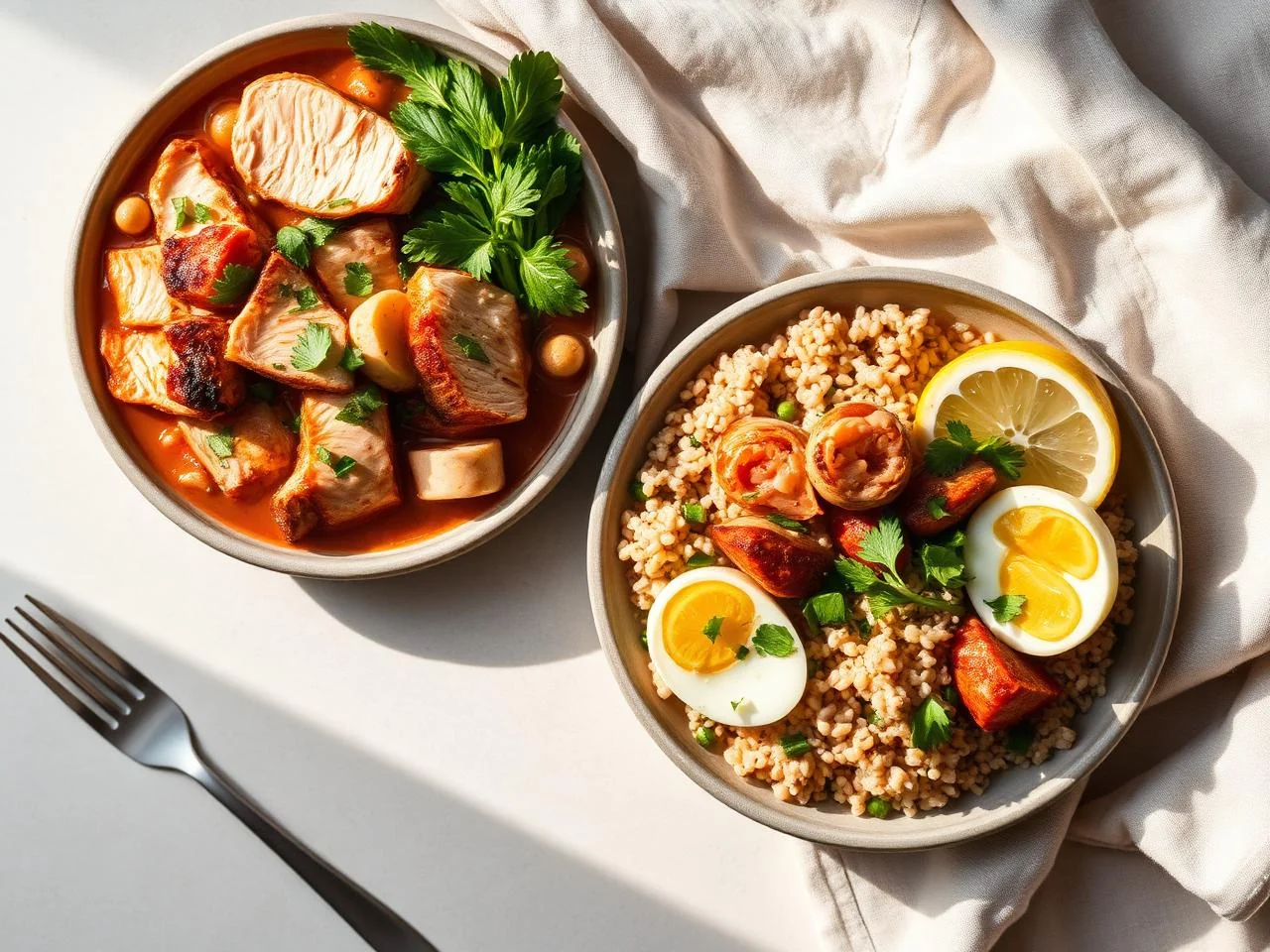
There's nothing quite like a warm, comforting bowl of Seafood Gumbo to bring people together. As a former competitive rower, I've always been drawn to hearty, protein-rich meals that can fuel my active lifestyle. When I'm not in the kitchen, you can find me exploring the local seafood market, searching for the freshest ingredients to inspire my next recipe.
My love affair with Seafood Gumbo began on a chilly winter evening, when a friend invited me over for a spontaneous dinner party. The aroma of simmering seafood and spices filled the air, and I was hooked from the very first bite. Since then, I've been perfecting my own recipe, experimenting with different combinations of seafood and spices to create the perfect balance of flavors.
What I love most about Seafood Gumbo is its versatility. Whether you're a seafood lover or just looking for a flavorful, protein-packed meal, this recipe is sure to become a staple in your household. And the best part? It's incredibly easy to make, requiring just a few simple ingredients and some basic cooking techniques.
In this recipe, I'll guide you through the process of creating a delicious, protein-forward Seafood Gumbo that's perfect for any occasion. From the initial prep work to the final presentation, I'll share my tips and tricks for making this dish truly special. So, let's get started and dive into the world of Seafood Gumbo!
As we explore this recipe together, I want to emphasize the importance of using high-quality, sustainable seafood. Not only is it better for the environment, but it also ensures that your dish is packed with flavor and nutrients. So, be sure to choose the freshest ingredients you can find, and don't be afraid to get creative with your seafood selection.
Why You’ll Love This Recipe
- This recipe is easy to make and requires minimal prep work, making it perfect for a weeknight dinner.
- The combination of seafood, spices, and aromatics creates a depth of flavor that's hard to resist.
- The use of a roux to thicken the gumbo adds a rich, nutty flavor and a smooth, velvety texture.
- The recipe is highly customizable, allowing you to choose your favorite types of seafood and spices.
- The gumbo is perfect for a crowd, making it an ideal dish for parties and special occasions.
- The recipe is budget-friendly, using affordable ingredients and minimizing food waste.
- The dish is packed with protein, making it a great option for health-conscious eaters.
Why This Recipe Works
So, what makes this Seafood Gumbo recipe so special? For starters, it's all about the layers of flavor. By building a rich, spicy broth with a combination of aromatics, spices, and seafood, we create a depth of flavor that's hard to resist. And by using a variety of seafood, including shrimp, scallops, and fish, we add texture and visual appeal to the dish.
Another key element of this recipe is the use of a roux to thicken the gumbo. By cooking the roux slowly over low heat, we develop a rich, nutty flavor that adds depth and complexity to the dish. And by whisking in a little bit of flour to help thicken the gumbo, we create a smooth, velvety texture that's perfect for sopping up with crusty bread.
Finally, it's all about the cooking technique. By cooking the seafood quickly over high heat, we preserve its delicate flavor and texture, while also adding a nice caramelized crust to the outside. And by serving the gumbo over a bed of fluffy rice, we soak up all the delicious flavors and juices, making each bite a truly satisfying experience.
As you cook your way through this recipe, remember that the key to success lies in the details. Take your time, don't rush the process, and be sure to taste and adjust the seasoning as you go. With a little bit of patience and practice, you'll be creating delicious, protein-forward Seafood Gumbo like a pro!
Ingredients You’ll Need
When it comes to making a delicious Seafood Gumbo, the ingredients are just as important as the cooking technique. Look for the freshest seafood you can find, and be sure to choose a variety of types to add texture and visual appeal to the dish. You'll also need a few pantry staples, including flour, spices, and aromatics, to build the rich, spicy broth.
As you shop for ingredients, keep in mind that the quality of the seafood will greatly impact the flavor and texture of the final dish. Choose sustainable, wild-caught options whenever possible, and be sure to handle the seafood gently to prevent damage.
- 2 tablespoons vegetable oilUse a neutral-tasting oil with a high smoke point, such as canola or grapeseed, to prevent the gumbo from becoming too greasy.
- 1 large onion, dicedChoose a sweet onion, such as Vidalia or Maui, for the best flavor.
- 3 cloves garlic, mincedUse fresh garlic for the best flavor, and be sure to mince it finely to prevent large chunks from forming in the gumbo.
- 2 cups mixed seafood (shrimp, scallops, fish)Choose a variety of seafood to add texture and visual appeal to the dish, and be sure to handle it gently to prevent damage.
- 1 cup all-purpose flourUse a high-quality, unbleached flour to help thicken the gumbo and add structure to the dish.
- 2 teaspoons paprikaChoose a sweet or smoked paprika to add depth and complexity to the gumbo.
- 1 teaspoon dried thymeUse fresh thyme if possible, but dried thyme will also work in a pinch.
- 1/2 teaspoon cayenne pepperAdjust the amount of cayenne to your taste, depending on how spicy you like your gumbo.
- 1/2 teaspoon saltUse a flaky, kosher-style salt to add texture and flavor to the gumbo.
- 1/4 teaspoon black pepperUse freshly ground black pepper for the best flavor.
- 2 cups fish stockUse a high-quality, homemade or store-bought fish stock to add depth and richness to the gumbo.
- 1 cup waterUse fresh, cold water to help thin out the gumbo and create a smooth, velvety texture.
- 2 tablespoons chopped fresh parsleyUse fresh parsley to add a bright, fresh flavor to the gumbo, and be sure to chop it finely to prevent large chunks from forming.
Equipment You’ll Need
How to Make Seafood Gumbo
- 1Heat the oil in a large heavy pot or Dutch oven over medium heat, until it shimmers and is hot but not smoking.
- 2Add the diced onion to the pot and cook, stirring occasionally, until it is softened and translucent, about 5 minutes.
- 3Add the minced garlic to the pot and cook, stirring constantly, for 1-2 minutes, until fragrant.
- 4Add the mixed seafood to the pot and cook, stirring occasionally, until it is lightly browned and cooked through, about 5-7 minutes.
- 5Remove the seafood from the pot with a slotted spoon and set it aside on a plate.
- 6Add the flour to the pot and cook, stirring constantly, for 1-2 minutes, until it is lightly browned and has a nutty aroma.
- 7Gradually whisk in the fish stock and water, and bring the mixture to a boil.
- 8Reduce the heat to low and simmer the gumbo, stirring occasionally, for 10-15 minutes, until it has thickened and reduced slightly.
- 9Add the paprika, thyme, cayenne pepper, salt, and black pepper to the pot, and stir to combine.
- 10Return the seafood to the pot and cook, stirring occasionally, until it is heated through and the gumbo has reached an internal temperature of 145 F (63 C), as measured with an instant-read thermometer in the thickest part of the seafood.
- 11Taste and adjust the seasoning as needed, then serve the gumbo hot over cooked rice, garnished with chopped fresh parsley.
Expert Tips
- Use a variety of seafood to add texture and visual appeal to the dish.
- Don't overcook the seafood, as it can become tough and rubbery.
- Use a high-quality fish stock to add depth and richness to the gumbo.
- Don't be afraid to experiment with different spices and seasonings to find the perfect balance of flavors.
- Serve the gumbo over cooked rice to soak up all the delicious flavors and juices.
- Garnish with chopped fresh parsley to add a bright, fresh flavor to the dish.
- Consider adding other ingredients, such as diced bell peppers or chopped celery, to add more flavor and texture to the gumbo.
- Make sure to stir the gumbo constantly when adding the flour to prevent lumps from forming.
Common Mistakes to Avoid
- Overcooking the seafood, which can make it tough and rubbery.
- Not using a high-quality fish stock, which can result in a bland and uninspiring gumbo.
- Not whisking in the flour properly, which can result in lumps forming in the gumbo.
- Not cooking the gumbo long enough, which can result in a thin and watery texture.
- Not seasoning the gumbo properly, which can result in a bland and unappetizing flavor.
- Not using fresh and sustainable seafood, which can result in a lower-quality dish.
Variations and Substitutions
- Add diced bell peppers or chopped celery to the gumbo for added flavor and texture.
- Use different types of seafood, such as crab or lobster, to add more variety to the dish.
- Add a splash of hot sauce, such as Tabasco, to give the gumbo an extra kick.
- Use a dark roux instead of a light roux to add more depth and richness to the gumbo.
- Add some diced tomatoes to the gumbo for added acidity and flavor.
- Use a combination of fish stock and chicken stock to add more complexity to the gumbo.
- Add some chopped scallions or green onions to the gumbo for added freshness and flavor.
What to Serve With Seafood Gumbo
Serve the Seafood Gumbo hot over cooked rice, garnished with chopped fresh parsley and a sprinkle of paprika. You can also serve it with a side of crusty bread or crackers to soak up all the delicious flavors and juices.
Consider pairing the gumbo with a simple green salad or a side of roasted vegetables for a well-rounded and satisfying meal. You can also serve it as a main course, accompanied by a side of grilled or sautéed vegetables.
Make-Ahead, Storage, Freezing and Reheating
The Seafood Gumbo can be stored in the refrigerator for up to 3 days or frozen for up to 2 months. To refrigerate, let the gumbo cool to room temperature, then transfer it to an airtight container and store it in the refrigerator.
To freeze, let the gumbo cool to room temperature, then transfer it to an airtight container or freezer bag and store it in the freezer. When you're ready to reheat, simply thaw the gumbo overnight in the refrigerator, then reheat it over low heat, stirring occasionally, until it's hot and steaming.
When reheating the gumbo, be sure to stir it constantly to prevent scorching or sticking. You can also add a little bit of water or fish stock to thin out the gumbo if it becomes too thick.
It's also a good idea to label and date the container or bag, so you can easily keep track of how long it's been stored. And as always, be sure to check the gumbo for any signs of spoilage before consuming it, such as an off smell or slimy texture.
Frequently Asked Questions
What type of seafood should I use in the gumbo?
You can use a variety of seafood, such as shrimp, scallops, fish, and crab. Just be sure to choose sustainable and fresh options, and handle them gently to prevent damage.
How do I prevent the gumbo from becoming too thick?
You can thin out the gumbo by adding a little bit of water or fish stock. Just be sure to stir constantly to prevent scorching or sticking.
Can I make the gumbo ahead of time?
Yes, you can make the gumbo ahead of time and store it in the refrigerator or freezer. Just be sure to reheat it over low heat, stirring occasionally, until it's hot and steaming.
What is the best way to serve the gumbo?
The gumbo is best served hot over cooked rice, garnished with chopped fresh parsley and a sprinkle of paprika. You can also serve it with a side of crusty bread or crackers to soak up all the delicious flavors and juices.
Can I use a dark roux instead of a light roux?
Yes, you can use a dark roux instead of a light roux to add more depth and richness to the gumbo. Just be sure to cook the roux slowly over low heat, stirring constantly, to prevent burning or scorching.
How do I know if the gumbo is cooked properly?
The gumbo is cooked properly when it has reached an internal temperature of 145 F (63 C), as measured with an instant-read thermometer in the thickest part of the seafood. You can also check for doneness by stirring the gumbo and checking that the seafood is cooked through and the gumbo has thickened slightly.
Can I add other ingredients to the gumbo?
Yes, you can add other ingredients to the gumbo, such as diced bell peppers or chopped celery, to add more flavor and texture. Just be sure to adjust the seasoning and cooking time accordingly.
How do I store the gumbo?
The gumbo can be stored in the refrigerator for up to 3 days or frozen for up to 2 months. Just be sure to label and date the container or bag, and check the gumbo for any signs of spoilage before consuming it.
Ingredients
- 2 tablespoons vegetable oil
- 1 large onion, diced
- 3 cloves garlic, minced
- 2 cups mixed seafood (shrimp, scallops, fish)
- 1 cup all-purpose flour
- 2 teaspoons paprika
- 1 teaspoon dried thyme
- 1/2 teaspoon cayenne pepper
- 1/2 teaspoon salt
- 1/4 teaspoon black pepper
- 2 cups fish stock
- 1 cup water
- 2 tablespoons chopped fresh parsley
Instructions
- Heat the oil in a large heavy pot or Dutch oven over medium heat, until it shimmers and is hot but not smoking.
- Add the diced onion to the pot and cook, stirring occasionally, until it is softened and translucent, about 5 minutes.
- Add the minced garlic to the pot and cook, stirring constantly, for 1-2 minutes, until fragrant.
- Add the mixed seafood to the pot and cook, stirring occasionally, until it is lightly browned and cooked through, about 5-7 minutes.
- Remove the seafood from the pot with a slotted spoon and set it aside on a plate.
- Add the flour to the pot and cook, stirring constantly, for 1-2 minutes, until it is lightly browned and has a nutty aroma.
- Gradually whisk in the fish stock and water, and bring the mixture to a boil.
- Reduce the heat to low and simmer the gumbo, stirring occasionally, for 10-15 minutes, until it has thickened and reduced slightly.
- Add the paprika, thyme, cayenne pepper, salt, and black pepper to the pot, and stir to combine.
- Return the seafood to the pot and cook, stirring occasionally, until it is heated through and the gumbo has reached an internal temperature of 145 F (63 C), as measured with an instant-read thermometer in the thickest part of the seafood.
- Taste and adjust the seasoning as needed, then serve the gumbo hot over cooked rice, garnished with chopped fresh parsley.