Picture this: I’m standing in a cramped kitchen, the air thick with the scent of burnt toast, the timer ticking louder than a guilty conscience. My friend, a self‑proclaimed “cheese connoisseur,” had just dared me to create a Parmesan alternative that would make him drop his fork in disbelief. I stared at the raw cashews on my counter, the idea simmering like a secret sauce. That night, I turned a pantry staple into a creamy, nutty masterpiece that not only rescued my culinary reputation but also earned me the unofficial title of “Cashew Parmesan Whisperer.”
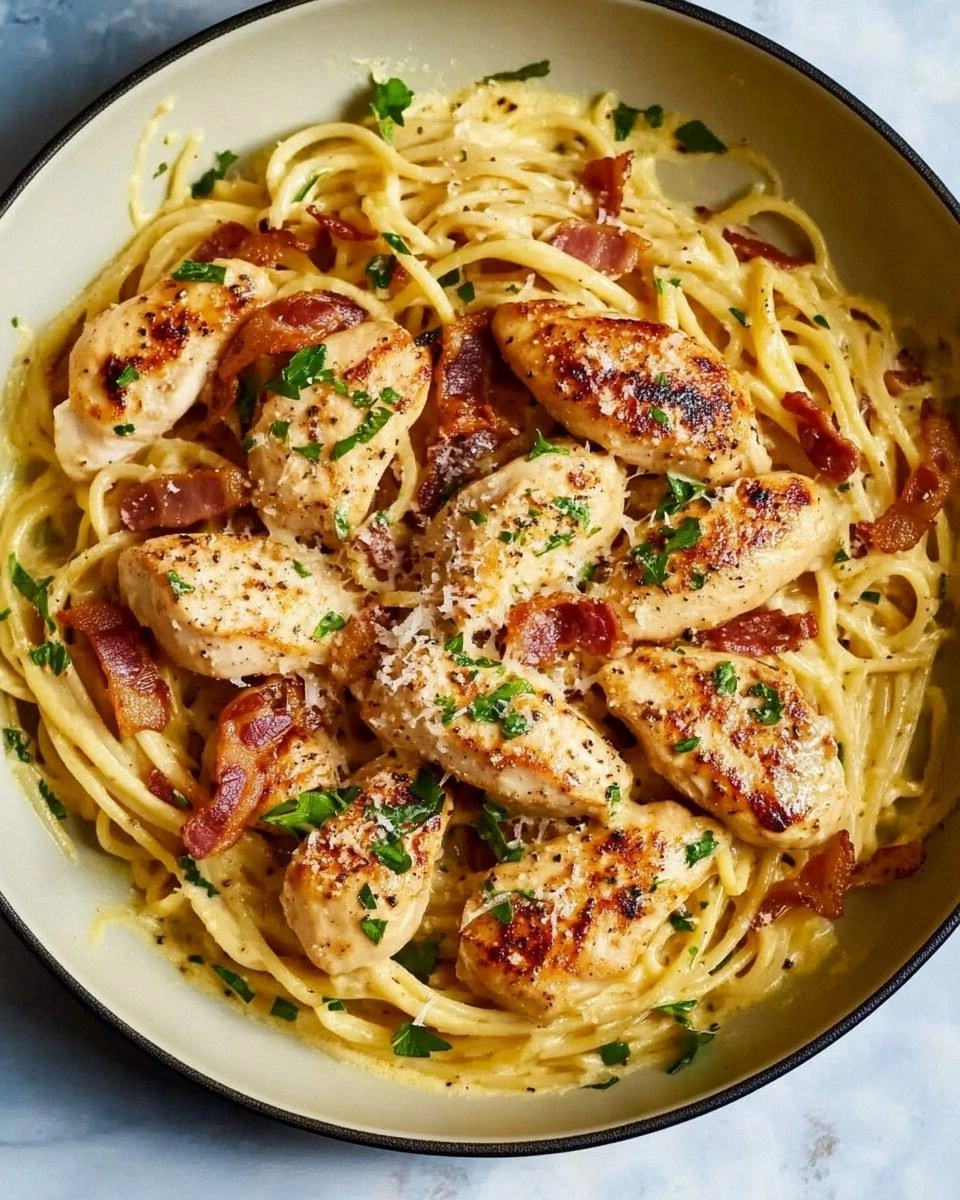
The first bite was a revelation. The sauce draped over pasta like a silky velvet, each swirl a promise of flavor. The nutty undertone hit the palate with the subtlety of a jazz solo, while the nutritional yeast delivered that unmistakable umami punch that makes you think you’re eating dairy. The crunch of the cashews, when toasted, added a texture that’s both comforting and adventurous—like biting into a cloud that’s been kissed by the sun.
I’m not here to brag, but I dare you to taste this and not go back for seconds. I’ll be honest—once I tasted the first batch, I ate half the pot before anyone else even got a spoon. The secret? A few micro‑challenges, a dash of boldness, and the knowledge that most recipes get this completely wrong. The right balance of salt, garlic, and that tiny pinch of pepper turns a simple blend into a culinary symphony.
If you’ve ever struggled with making a cheese‑like sauce that’s dairy‑free, you’re not alone—and I’ve got the fix. Picture yourself pulling this out of the oven, the whole kitchen smelling incredible, the sauce bubbling like a promise of comfort. This is hands down the best version you’ll ever make at home, and I’m about to walk you through every single step—by the end, you’ll wonder how you ever made it any other way.
What Makes This Version Stand Out
- Taste: The cashew base delivers a subtle nutty sweetness that pairs perfectly with the savory depth of nutritional yeast, creating a flavor profile that’s both familiar and unexpectedly sophisticated.
- Texture: The blend achieves a silky, almost mousse‑like consistency that coats pasta like velvet, yet it retains a hint of body that keeps the sauce from feeling too light.
- Ingredient Quality: Using raw, unsalted cashews ensures no hidden sodium, while high‑grade nutritional yeast guarantees a robust umami punch without the bitterness some brands carry.
- Speed: In under ten minutes you’ll have a ready‑to‑serve sauce that’s as quick as a microwave meal but far richer in flavor.
- Versatility: Whether you’re topping spaghetti, drizzling over roasted veggies, or using it as a dip, this sauce adapts without losing its signature charm.
- Make‑ahead Potential: Store it in an airtight container for up to a week, and it’ll stay fresh and flavorful—ideal for busy weeknights.
- Health‑Friendly: Packed with plant‑based protein, healthy fats, and a low glycemic index, it satisfies both your taste buds and nutrition goals.
- Allergen‑Friendly: Free from dairy, gluten, and soy, it’s a safe option for most dietary restrictions.
Alright, let's break down exactly what goes into this masterpiece...
Inside the Ingredient List
The Flavor Base
Nutritional yeast is the unsung hero of plant‑based cooking. It brings a deep, cheese‑like umami that can’t be replicated with simple salt. When you blend it into the cashew mixture, it emulsifies the fats, giving you a velvety texture that feels indulgent yet stays light. Skipping it would leave the sauce bland and lacking that signature “cheesy” bite that makes this recipe so addictive.
The Texture Crew
Raw cashews are the backbone of this sauce. Their high oil content creates a natural creaminess, while their mild flavor allows the yeast and spices to shine. If you can’t find raw cashews, try using blanched ones; just be mindful that the texture might shift slightly. For an even smoother consistency, soak the cashews in hot water for 10 minutes before blending—this reduces the need for added liquid.
The Unexpected Star
Sea salt isn’t just a seasoning; it’s the conductor that brings all the flavors together. A teaspoon is enough to lift the nutty undertone without overpowering the dish. If you’re watching sodium, you can reduce the amount to half a teaspoon, but I’ve found that the full teaspoon provides a balanced, savory finish.
The Final Flourish
Garlic powder and a pinch of pepper add depth and a subtle heat. The garlic powder gives a clean, sweet garlic flavor without the risk of burning, while the pepper adds a whisper of spice that keeps the sauce from feeling flat. If you’re a fan of fresh garlic, a crushed clove can replace the powder for a more robust bite.
Everything's prepped? Good. Let's get into the real action...
The Method — Step by Step
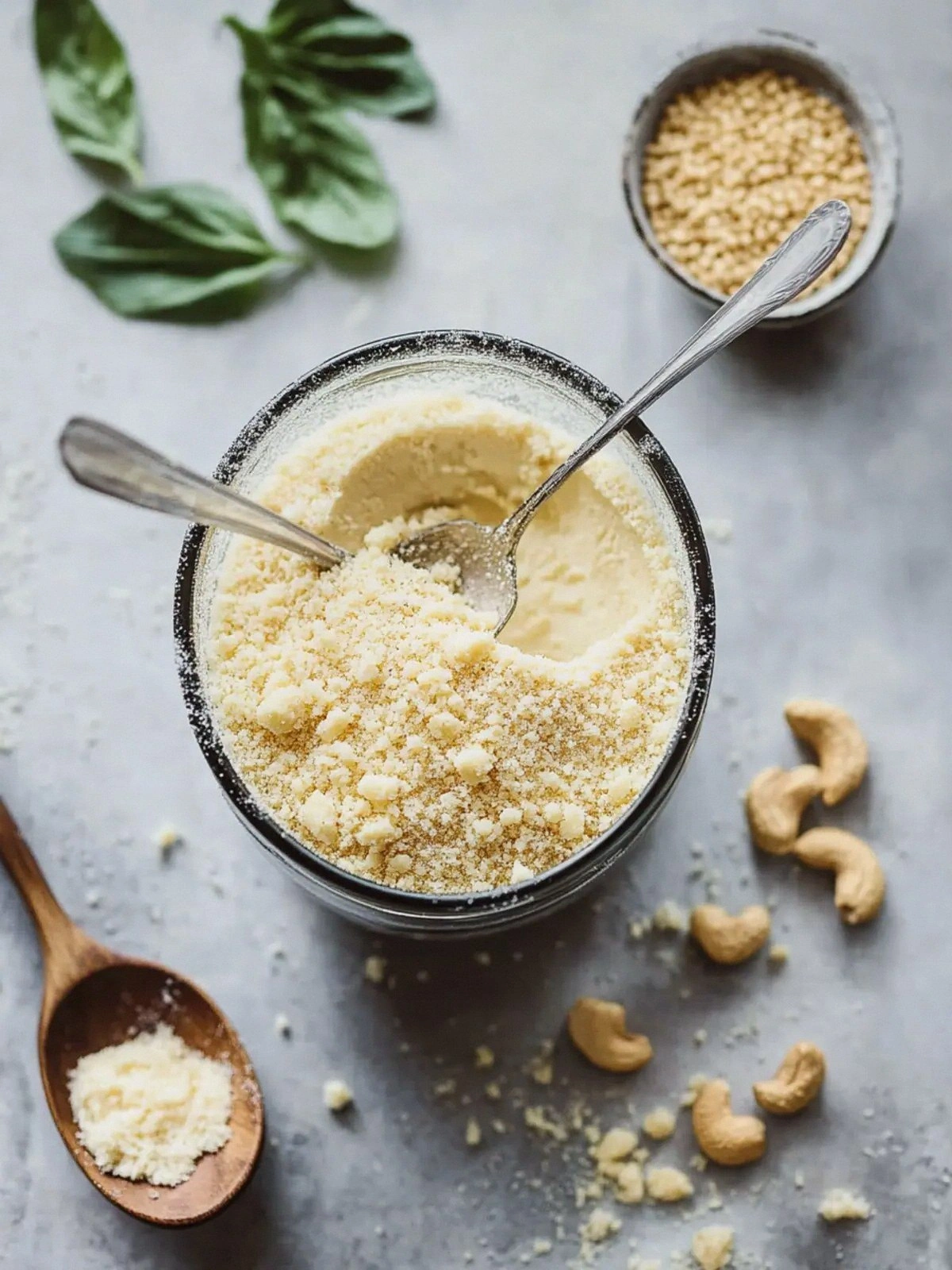
- Begin by measuring out 1 cup of raw cashews, ¼ cup of nutritional yeast, 1 teaspoon of sea salt, ½ teaspoon of garlic powder, and a pinch of pepper. The precision here is key—over‑salted or under‑seasoned sauces can feel off. Lay out all ingredients on your counter so you can see the colors and textures before you start.
- If you’re using the optional soaking step, pour the cashews into a bowl of hot water and let them sit for 10 minutes. This will soften them, making the blending process smoother and ensuring a silky finish. For a quicker version, skip the soak and move straight to the blender.
- Add the cashews, nutritional yeast, sea salt, garlic powder, and pepper to a high‑speed blender. Pulse a few times to break up the cashews into smaller pieces before fully blending. This helps prevent a gritty texture.
- Start the blender on low speed, gradually increasing to high. If the mixture is too thick, add a splash of water or a splash of non‑dairy milk (almond or oat work best) to help it emulsify. The goal is a smooth, spreadable consistency that can coat pasta or spread on toast.
- Watch Out: When blending, be careful not to over‑process. Once the mixture is smooth, stop the blender immediately to avoid turning the sauce into a thin, watery texture. A quick stir in a small saucepan can help re‑thicken if needed.
- Transfer the sauce to a small saucepan and heat over low heat for 2–3 minutes, stirring constantly. This step activates the flavors and brings the sauce to a warm, comforting temperature. The scent of toasted cashews will fill your kitchen—absolute perfection.
- Taste the sauce and adjust seasoning if necessary. A pinch more salt or a dash of pepper can elevate the flavor profile. Remember, the sauce is meant to be creamy, not overpowering.
- If you plan to store it, let the sauce cool completely before transferring it to an airtight container. Label with the date and store in the refrigerator for up to a week. For longer storage, freeze in portions and thaw in the fridge overnight.
- Serve immediately over hot pasta, roasted vegetables, or as a dip for fresh veggies. The sauce will cling to every surface, delivering a burst of flavor with each bite.
- Enjoy! The sauce is versatile enough to be used in soups, sauces, or even as a spread on toast. The possibilities are endless—just like the confidence I feel when I share this recipe with friends.
That’s it— you did it. But hold on, I’ve got a few more tricks that’ll take this to another level. Let’s dive into insider knowledge that turns a good sauce into a showstopper.
Insider Tricks for Flawless Results
The Temperature Rule Nobody Follows
Many people heat their cashew sauce on high, which can scorch the nuts and create a bitter taste. I always heat on low, letting the sauce gently warm over 2–3 minutes. This low‑heat technique preserves the natural sweetness of the cashews and keeps the sauce silky.
Why Your Nose Knows Best
Before you taste, sniff the sauce. A faint, toasted nut aroma signals that the cashews are perfectly toasted. If the smell feels flat or raw, let it rest for a minute; the aromas will develop and enhance the flavor profile.
The 5‑Minute Rest That Changes Everything
After blending, let the sauce sit for 5 minutes before heating. This resting period allows the cashews to absorb the liquid fully, resulting in a richer, more cohesive texture. Think of it as a brief meditation that pays dividends in flavor.
The Right Container Matters
Store the sauce in a glass jar with a tight seal. Glass keeps the flavors intact and prevents the sauce from absorbing odors from other foods in the fridge. It also makes it easy to grab a spoonful right out of the fridge for a quick snack.
Add a Splash of Water Before Reheating
When reheating a stored sauce, add a teaspoon of water or non‑dairy milk to restore moisture. This trick prevents the sauce from drying out and keeps it luscious each time you serve it.
Creative Twists and Variations
This recipe is a playground. Here are some of my favorite ways to switch things up:
Spicy Sriracha Kick
Add a tablespoon of Sriracha to the blend for a fiery version that pairs beautifully with grilled chicken or tofu. The heat complements the nutty base without overpowering it.
Herbal Garden Delight
Stir in a handful of dried oregano, thyme, and rosemary before blending. The herbs give the sauce a Mediterranean vibe, making it perfect for drizzling over roasted eggplant or zucchini.
Smoky Chipotle Twist
Incorporate a teaspoon of chipotle powder for a subtle smoky flavor. This variation is fantastic over baked sweet potatoes or as a topping for tacos.
Lemon‑Zest Freshness
Add a tablespoon of lemon zest and a splash of lemon juice before blending. The citrus brightens the sauce, cutting through the richness for a balanced finish.
Chocolate‑Nut Surprise
Mix in a tablespoon of cocoa powder and a pinch of sea salt. The result is a sweet‑savory sauce that works wonderfully over banana bread or as a dip for fruit slices.
Mushroom Umami Boost
Sauté sliced mushrooms until golden, then blend them into the sauce. The earthy flavor deepens the umami profile, making it a perfect companion for risotto or mushroom pasta.
Storing and Bringing It Back to Life
Fridge Storage
Transfer the sauce to an airtight glass jar and refrigerate. It will stay fresh for up to one week. The cool environment keeps the cashews from oxidizing, preserving the sauce’s bright flavor.
Freezer Friendly
For longer storage, portion the sauce into freezer‑safe containers and freeze for up to three months. Thaw overnight in the fridge, then reheat gently on the stove, adding a splash of water if needed.
Best Reheating Method
Reheat over low heat, stirring constantly. Add a teaspoon of water or non‑dairy milk to maintain moisture. When the sauce is heated through, it should be silky and glossy, ready to coat pasta or serve as a dip.