I was in a full‑blown kitchen crisis, staring at a pot of over‑cooked chicken that had turned into a rubbery, flavorless slab, when a friend texted me a link to a Lebanese Ground Beef Bowl recipe she’d discovered on a food‑blog she’d been following. I stared at the link, half‑expecting a bland, over‑seasoned meat bowl, but something in the title made me curious: “Wholesome, savory, and packed with flavor.” The promise of fresh herbs, a hint of spice, and a comforting mix of grains made me decide to give it a shot, even though I was already halfway through a weeknight dinner. I laughed at my own culinary misfortune, and that laugh turned into a dare: “I dare you to taste this and not go back for seconds.” The moment I opened the recipe, the kitchen smelled like cumin and coriander, a scent that instantly lifted my mood and reminded me that food can be both rescue and celebration. If you’ve ever found yourself scrambling to salvage a meal, this is the dish that will turn your kitchen mishap into a triumph.
Picture this: the pan sizzling as the beef hits the hot oil, the sound of a bubbling, caramelized crust forming on the edges, and the aroma of toasted cumin drifting through the air. The visual of the beef breaking apart into juicy, dark brown strands, the bright green burst of fresh parsley, and the golden flecks of paprika gives you a preview of the colors that will dominate the bowl. The taste is a layered experience—savory beef, earthy spices, tangy lemon, and a creamy hint of tahini—all balanced by the crisp bite of cucumber and the sweet pop of bell pepper. The texture is a dance between tender meat, fluffy grains, and the slight crunch of fresh veggies, with the feta adding a creamy, salty contrast that pulls everything together. The sound of the final drizzle of lemon juice over the bowl, the gentle clink of a spoon against the ceramic, is the soundtrack of a meal that feels like a hug in a bowl.
What makes this version stand out is that it’s not just a ground‑beef bowl; it’s a meticulously balanced symphony of flavors, textures, and aromas that elevate the humble ingredients into a feast. The recipe uses a blend of traditional Lebanese spices—cumin, coriander, cinnamon, allspice, and a whisper of cayenne—that create a warm, aromatic base, while fresh herbs like mint, parsley, and cilantro add bright, herbal notes that cut through the richness. The use of both rice and quinoa gives the dish a complex grain profile, offering both the comforting heartiness of rice and the nutty crunch of quinoa. The addition of a lemon‑tahini dressing ties everything together with a creamy, tangy finish that brightens the dish. Finally, the dish is designed to be quick and easy, yet it delivers a depth of flavor that feels like a gourmet meal, proving that you don’t need to spend hours in the kitchen to create something truly special.
And there’s a twist that you won’t expect: a splash of tahini, a drizzle of lemon, and a sprinkle of sumac that give this bowl a unique depth, almost like a secret sauce that you didn’t know you needed. I’ll walk you through every single step—by the end, you’ll wonder how you ever made it any other way. Trust me, this is hands down the best version you’ll ever make at home.
What Makes This Version Stand Out
- Flavor: The blend of cumin, coriander, cinnamon, allspice, and a hint of cayenne creates a warm, aromatic base that feels like a comforting hug. This isn’t just seasoning; it’s a fragrant invitation that awakens the palate from the first bite.
- Texture: The combination of fluffy rice, nutty quinoa, and tender ground beef delivers a delightful contrast between softness, chewiness, and a subtle crunch from fresh vegetables.
- Freshness: Fresh herbs—mint, parsley, cilantro, and dill—are folded in at the end, giving the bowl a bright, green lift that counters the richness of the meat and feta.
- Balance: The creamy, tangy tahini‑lemon dressing balances the savory meat and the earthy grains, creating a harmonious medley that’s both comforting and refreshing.
- Convenience: This recipe is designed for quick prep—everything can be cooked in under an hour, making it perfect for busy weeknights or last‑minute dinner guests.
- Versatility: The bowl can be customized: swap beef for turkey, add extra veggies, or use cauliflower rice for a low‑carb version without losing the essence.
- Make‑ahead Potential: The components keep well; you can pre‑cook the grains and the beef, then assemble just before serving, saving precious time.
Alright, let’s break down exactly what goes into this masterpiece. And if you’re wondering how to elevate this even further, keep reading—you’ll find a handy kitchen hack that will change the game.
Inside the Ingredient List
The Flavor Base
Ground beef is the heart of this bowl, providing a robust, savory foundation that absorbs the spices like a sponge. The key spices—cumin, coriander, cinnamon, allspice, paprika, and cayenne—work together to create a warm, aromatic base that feels both exotic and comforting. If you skip the spices, the dish becomes flat and forgettable; the spices are what give it that signature Lebanese kick. For a leaner version, swap ground beef for ground turkey or chicken; the spices will still carry the flavor profile beautifully.
The Grain Crew
Rice and quinoa form the grain crew, delivering both texture and nutrition. The rice offers a familiar, fluffy base, while the quinoa adds a nutty crunch and extra protein. Cooking the grains separately ensures each reaches the perfect texture, preventing them from becoming mushy or under‑cooked when combined. If you’re short on time, you can use pre‑cooked rice or quinoa; just reheat gently to avoid drying out.
The Fresh Herb Ensemble
Fresh mint, parsley, cilantro, and dill bring a burst of green, brightening the bowl and cutting through the richness of the meat and feta. These herbs add layers of flavor that evolve with each bite, providing a refreshing contrast to the warm spices. If you can’t find all of them, don’t worry—any combination will still work; just choose the ones you have on hand. A pinch of fresh lemon zest adds a citrusy spark that lifts the entire dish.
The Creamy Finale
Tahini and lemon juice form a silky dressing that ties everything together. The tahini adds a nutty, creamy texture, while the lemon juice provides a bright, acidic counterpoint that balances the dish’s richness. Feta cheese offers a salty, tangy finish that melts slightly into the hot beef, creating a velvety layer of flavor. A sprinkle of sumac on top adds a subtle, lemony tang that enhances the overall brightness of the bowl.
Everything’s prepped? Good. Let’s get into the real action and bring this bowl to life.
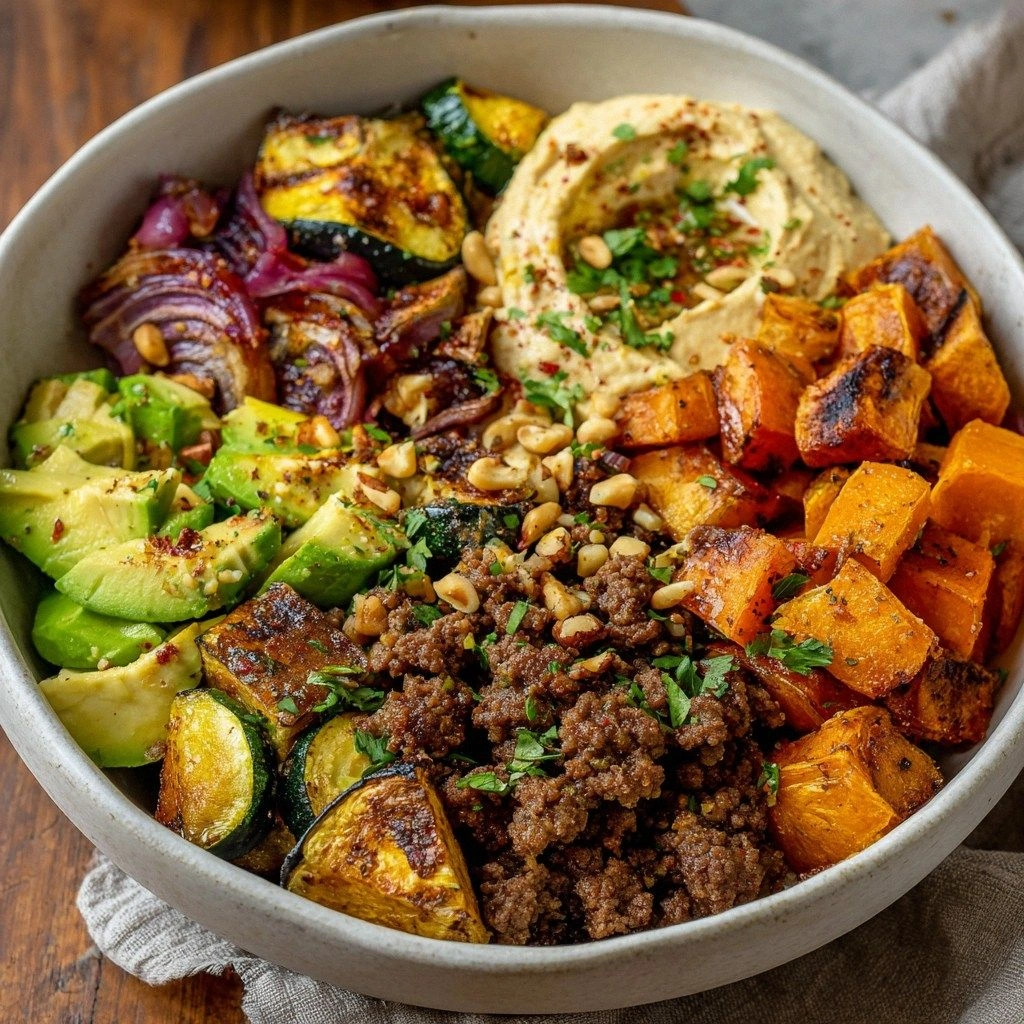
The Method — Step by Step
- Heat the skillet. Place a cast‑iron skillet over medium‑high heat and let it get hot until a drop of water sizzles and evaporates almost instantly. This initial heat is crucial for forming a caramelized crust on the beef. Don’t add oil yet— the meat’s natural fat will render once it hits the pan.
- Brown the beef. Add the ground beef, breaking it apart with a wooden spoon. Let it sear without stirring for about 2 minutes to develop a golden crust. Then stir and continue cooking until the beef is fully browned and no longer pink. The sizzling sound and the aroma of browned meat signal that you’re on the right track.
- Introduce the spices. Sprinkle cumin, coriander, cinnamon, allspice, paprika, cayenne, salt, and pepper over the beef. Toss everything together so the spices coat the meat evenly. The spices should toast slightly, releasing their oils and intensifying the aroma. This step is where the flavor foundation is built.
- Add the veggies. Stir in diced tomatoes, chopped bell pepper, and red onion. Cook for 3–4 minutes until the vegetables soften but still retain a slight bite. The vegetables will add moisture and sweetness, balancing the spices and beef.
- Watch Out: When adding the liquid ingredients, be careful not to over‑add. If the mixture starts to steam too much, reduce the heat to medium. Too much liquid can turn the bowl into a stew rather than a bowl, and you’ll lose the desired texture.
- Mix in grains. Fold in the cooked rice and quinoa, ensuring everything is well combined. The grains absorb the flavors and create a hearty base. This is the moment of truth—if the grains are evenly distributed, the bowl will be balanced.
- Finish with herbs. Remove the skillet from heat and stir in fresh mint, parsley, cilantro, and dill. The herbs release their bright flavors when they’re added off‑heat, keeping the bowl fresh and vibrant. A pinch of lemon zest should be tossed in at this point for a citrusy lift.
- Dress the bowl. In a small bowl, whisk together tahini, lemon juice, sumac, and a splash of water until the mixture is smooth and pourable. Drizzle this dressing over the bowl, letting it coat the ingredients evenly. The creamy dressing will add a silky texture that ties all flavors together.
- Top it off. Sprinkle crumbled feta cheese, diced cucumber, and a final drizzle of olive oil. The feta melts slightly, creating pockets of creamy, salty goodness. Serve immediately, or let it rest for a few minutes to allow the flavors to meld.
That’s it—you did it. But hold on, I’ve got a few more tricks that will take this bowl to another level, turning it from great to unforgettable.
Insider Tricks for Flawless Results
The Temperature Rule Nobody Follows
Many cooks keep their pans at a constant medium heat, but the secret to a perfect crust is a brief burst of high heat followed by a lower temperature. Start with medium‑high to sear the beef, then reduce to medium to finish cooking without burning. This technique ensures the meat stays juicy inside while developing a caramelized exterior that’s full of flavor.
Why Your Nose Knows Best
Before you add the spices, sniff the beef as it sears. The aroma will give you a clear indication of when the meat is ready for the spices. A faint, sweet scent means the surface is ready to absorb the spices, while a burnt smell indicates you’ve over‑cooked it. Trust your nose—it’s the best judge of doneness.
The 5‑Minute Rest That Changes Everything
After cooking the beef, let it rest for five minutes before adding the spices and veggies. This resting period allows the juices to redistribute, resulting in a more tender, flavorful meat. It also prevents the spices from clumping together, giving you a more even distribution.
The Lemon‑Tahini Balance
If you find the tahini dressing too thick, add a splash of warm water or a bit of extra lemon juice to thin it out. The dressing should coat the bowl like a light glaze, not a heavy sauce. A thin dressing allows the individual flavors to shine through.
The Final Herb Toss
Add fresh herbs off‑heat to preserve their bright flavors. If you add them too early, the heat can cause them to wilt and lose their vibrant green color. A quick toss right before serving keeps the bowl looking fresh and aromatic.
Creative Twists and Variations
Mediterranean Twist
Swap the beef for grilled halloumi cheese cubes, and replace the rice with couscous. Add a handful of kalamata olives and a squeeze of fresh orange juice for a Mediterranean flair that will delight guests who love a briny, citrusy kick.
Spicy Taco Bowl
Add a tablespoon of adobo sauce and a sprinkle of chipotle powder to the beef. Replace the feta with shredded cheddar and top with sliced avocado for a Tex‑Mex inspired bowl that’s both spicy and creamy.
Vegetarian Power Bowl
Omit the beef entirely and sauté lentils or chickpeas instead. Keep the grains and fresh veggies, and add a dollop of Greek yogurt instead of feta for a protein‑rich, plant‑based version that still feels indulgent.
Low‑Carb Version
Replace the rice and quinoa with cauliflower rice. Keep the spices and fresh herbs, and add a handful of chopped spinach for extra color and nutrition. The dish becomes a low‑carb, high‑fiber delight.
Breakfast Bowl
Serve the bowl over scrambled eggs instead of rice, and add a sprinkle of smoked paprika. Top with a fried egg yolk for a hearty, protein‑packed breakfast that feels like a brunch favorite.
Dessert‑Inspired Sweet Bowl
For a playful twist, drizzle honey over the top and sprinkle toasted pistachios. The sweet and savory combination turns the bowl into a dessert‑like treat that’s surprisingly balanced.
Storing and Bringing It Back to Life
Fridge Storage
Store the assembled bowl in an airtight container for up to 3 days in the refrigerator. If you’re storing the components separately, keep the grains and beef in separate containers to maintain their textures. When ready to serve, reheat in a skillet or microwave until warm.
Freezer Friendly
The dish freezes well—place it in a freezer‑safe container and label with the date. It stays best for up to 2 weeks. Thaw overnight in the refrigerator, then reheat gently on the stove or in the microwave, stirring occasionally.
Best Reheating Method
To reheat the bowl, add a splash of water or broth to the skillet to create steam, cover, and heat over medium for 5–7 minutes. This technique preserves the moisture of the grains and beef, preventing the dish from drying out. A quick stir after reheating ensures even heat distribution.